
Yes, dogs can eat golden berries in small amounts only when they are fully ripe and properly prepared. Ripe golden berries are not toxic and contain helpful nutrients. However, unripe berries, husks, leaves, and stems can be harmful. Golden berries should be an occasional treat, not a regular part of a dog’s diet.
Many dog owners wonder if golden berries are safe because they look similar to other fruits that dogs can eat. Their bright color and small size make them seem harmless at first glance.
The clear answer is yes, dogs can eat golden berries, but only with strict precautions. Not all parts of the fruit are safe, and not all dogs tolerate fruit the same way.
Golden berries are not a natural food for dogs. While dogs are classified as omnivores, their digestive systems work best with animal-based nutrition. Fruits should play a very small supporting role.
Golden berries must be fully ripe, clean, and served in tiny portions. Feeding too much, feeding unripe berries, or allowing access to the plant itself can lead to digestive upset or more serious problems.
What Are Golden Berries?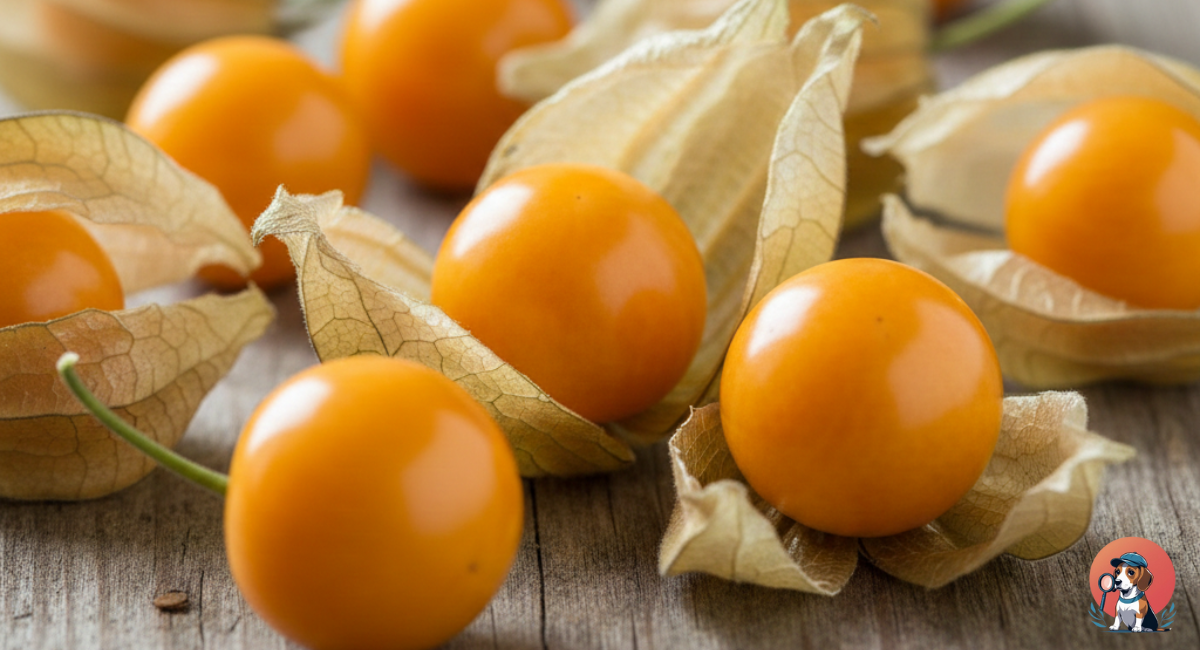
Golden berries are small, round fruits that turn a bright orange or golden color when ripe. They are commonly known as Cape gooseberries or physalis.
Each berry grows inside a thin, papery husk that protects the fruit as it matures. The husk is not edible for dogs and should always be removed.
Golden berries have a sweet and slightly tart flavor. People often eat them fresh, dried, or mixed into salads, yogurts, and desserts.
From a nutritional point of view, golden berries contain:
-
Vitamin C, which supports normal immune function
-
Vitamin A is important for vision and skin health
-
Dietary fiber, which affects digestion
-
Natural plant antioxidants
While these nutrients are useful for humans, dogs do not depend on fruit to meet their nutritional needs.
Can Dogs Eat Golden Berries?
Yes, dogs can eat ripe golden berries, but they should always be treated as a snack, not a regular food.
Golden berries are considered safe for dogs only if all safety conditions are met. Feeding them incorrectly is where problems usually start.
Golden berries are safe for dogs only when:
-
The berry is fully ripe and bright orange
-
The papery husk has been completely removed
-
The fruit has been washed thoroughly
-
The portion size is very small
Dogs should never chew on the husk or eat berries picked directly from the plant. Dogs do not understand which parts are unsafe and may swallow harmful plant material.
Are Golden Berries Toxic to Dogs?
Ripe golden berries are not toxic to dogs, but other parts of the plant can be dangerous.
Parts that should never be eaten by dogs include:
-
Unripe green berries
-
Leaves and stems
-
Papery husks
These parts contain natural plant compounds that can irritate the digestive system. Dogs that ingest them may show stomach upset or other symptoms.
In larger amounts, these compounds may cause more severe reactions, especially in smaller dogs.
Simple safety rule:
If the berry is not bright orange and fully ripe, it is not safe for dogs.
Can Dogs Eat Raw Golden Gerries?
Dogs can eat raw golden berries as long as they are fully ripe and prepared correctly.
Raw ripe berries keep their natural nutrients and do not require cooking. Cooking does not make unripe berries safe, so ripeness is the key factor.
Before offering raw golden berries to a dog:
-
Remove the husk completely
-
Rinse the berry under clean water
-
Cut the fruit into small, soft pieces
Cutting the berry reduces the risk of choking and helps dogs chew and digest it more easily.
Can Dogs Eat Dried Golden Berries?
Dried golden berries are not a good choice for dogs and should generally be avoided.
Drying removes water and concentrates sugar. This makes dried berries much higher in calories compared to fresh ones.
Dried golden berries may:
-
Stick to teeth and contribute to dental plaque
-
Causes diarrhea or stomach discomfort
-
Raise blood sugar levels quickly
If dried golden berries are ever offered, it should be one very small piece, given rarely, and only to dogs with no known sensitivities.
The 9 Benefits of Feeding Golden Berries to a Dog
When fed correctly and occasionally, golden berries may offer small benefits. These benefits are supportive, not essential.
1. Vitamin C support
Golden berries contain vitamin C, which supports normal immune function. Most dogs produce enough vitamin C on their own, so extra is not necessary.
2. Antioxidant protection
Antioxidants help protect cells from everyday wear and tear. This can be helpful for senior dogs when given in moderation.
3. Fiber for digestion
Small amounts of fiber can support healthy digestion. Too much fiber, however, may cause loose stools.
4. Vitamin A contribution
Vitamin A supports vision, skin health, and immune balance. Dogs should only get small amounts from fruit sources.
5. Natural anti-inflammatory compounds
Golden berries contain plant compounds that support normal inflammatory responses in the body.
6. Hydration support
Fresh berries contain water, which can help support hydration, especially during warm weather.
7. Low fat content
Golden berries are naturally low in fat, making them safer than fatty table scraps.
8. Whole-food treat option
Fresh fruit can be a better option than heavily processed treats when fed responsibly.
9. Mental enrichment
New textures and flavors provide sensory stimulation, which can help keep dogs mentally engaged.
The 3 Risks of Feeding Golden Berries to a Dog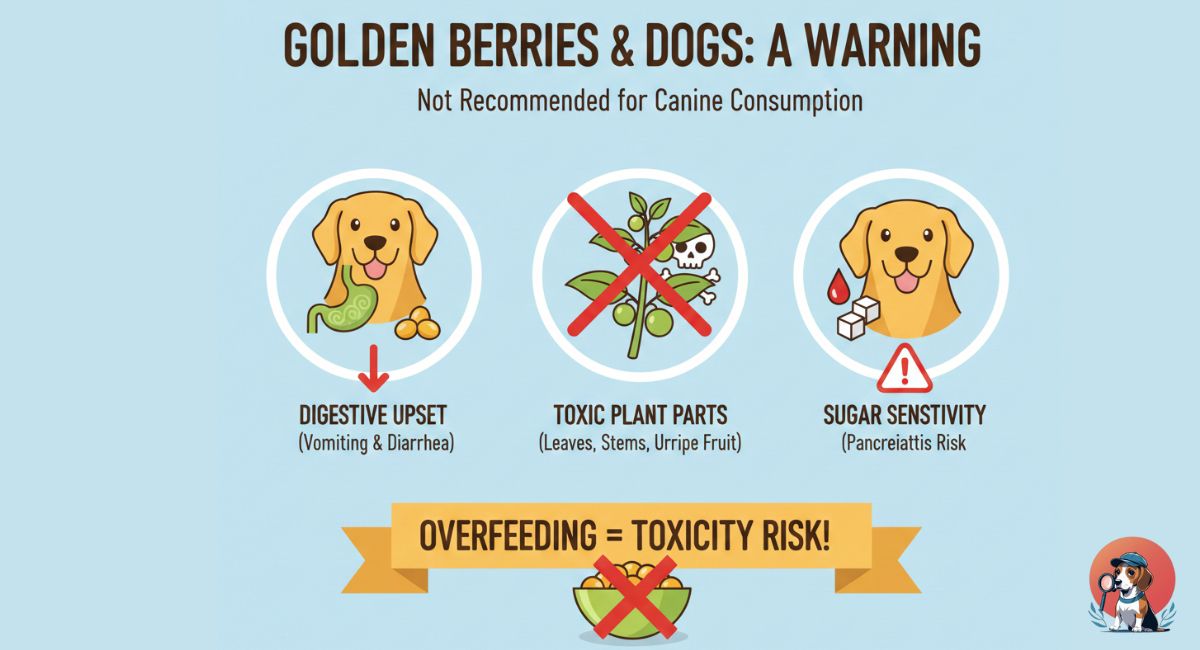
Despite their benefits, golden berries are not risk-free.
1. Digestive upset
Eating too many berries can lead to vomiting, diarrhea, or gas, especially in dogs not used to fruit.
2. Exposure to toxic plant parts
Accidental ingestion of husks, leaves, or unripe berries can cause illness and discomfort.
3. Natural sugar content
Dogs with diabetes, obesity, or pancreatitis may struggle with sugary fruits, even in small amounts.
Dogs with sensitive stomachs or chronic digestive issues should avoid golden berries completely.
How Can You Safely Feed Golden Berries to Your Dog?
Safe preparation is essential when feeding golden berries.
Follow this checklist every time:
-
Select only fully ripe orange berries
-
Remove and discard the husk
-
Wash the fruit thoroughly
-
Cut into bite-sized pieces
-
Offer after a regular meal
Feeding fruit after meals helps reduce stomach irritation. Avoid feeding golden berries on an empty stomach or alongside other new foods.
How Many Golden Berries Can Dogs Eat?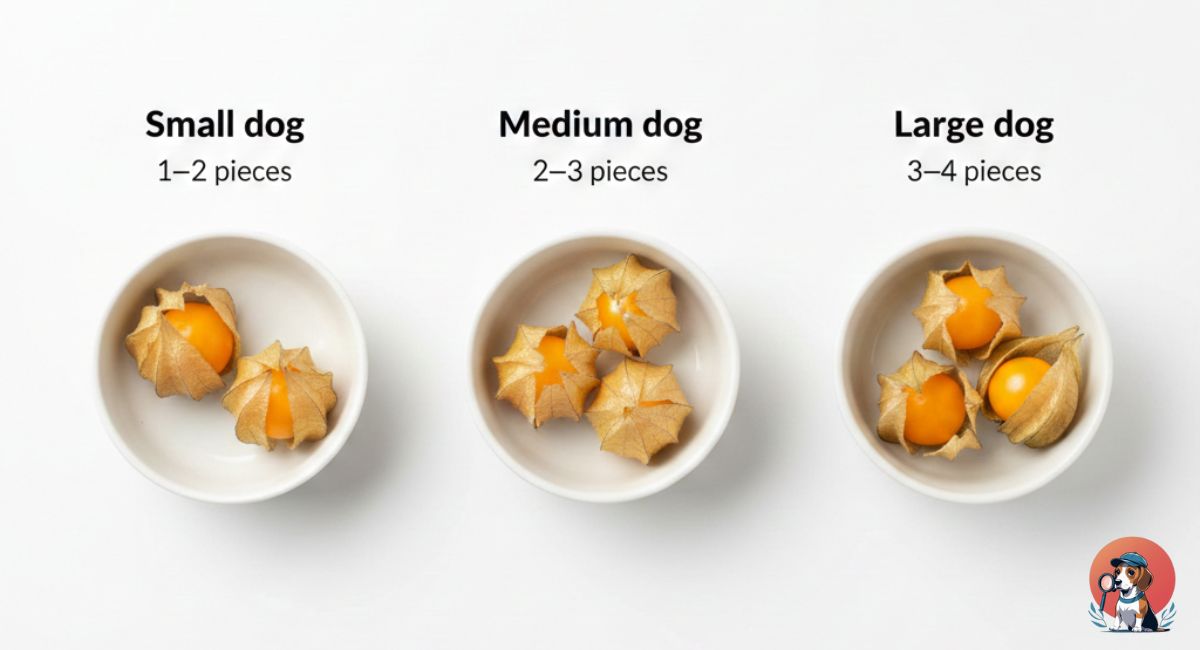
Portion size depends on the dog’s body size, age, and tolerance.
| Dog Size | Safe Amount |
|---|---|
| Small dogs | 1–2 small pieces |
| Medium dogs | 2–3 small pieces |
| Large dogs | 3–4 small pieces |
Golden berries should account for less than 5% of daily calorie intake. Even large dogs should not eat them daily.
What To Do If a Dog Eats Too Much Fruit
Eating too much fruit can upset a dog’s digestive system.
Common signs include:
-
Loose stools
-
Vomiting
-
Gas
-
Low energy
Stop offering fruit and provide fresh water. Most mild cases resolve on their own. If symptoms last longer than 24 hours or worsen, contact a veterinarian.
Are gooseberries and Golden Berries the Same?
No, they are different fruits, even though their names sound similar.
Golden berries belong to the physalis plant group. True gooseberries belong to a different botanical family.
Some gooseberries may be unsafe for dogs depending on the variety. Always identify the fruit correctly before feeding anything new.
What Are Alternatives to Golden Berries?
If your dog does not tolerate golden berries, other fruits may be safer options.
Common alternatives include:
-
Can dogs eat raspberries? Yes, in small amounts
-
Can dogs eat figs? Yes, but only occasionally
-
Can dogs eat mango skin? No, skin should always be removed
-
Can dogs eat baby corn? Yes, cooked and plain
-
Can dogs with pancreatitis eat bananas? Sometimes, with veterinary guidance
These foods are often easier for dogs to digest and less risky when served correctly.
Final Thoughts
Golden berries can be a safe, occasional treat for dogs when they are fully ripe and prepared correctly. They should never replace a balanced diet or high-quality dog food.
Always avoid unripe berries and plant parts. Monitor your dog after introducing any new food. If your dog has health conditions or food sensitivities, speak with a veterinarian before offering golden berries or other fruits.
See Also:
FAQS
Q1: Can puppies eat golden berries?
Puppies should generally avoid golden berries. Their digestive systems are more sensitive than adult dogs’, and even small amounts of fruit can cause stomach upset. If offered at all, only give a tiny piece of a fully ripe golden berry after a meal and monitor closely.
Q2: Are golden berries safe for dogs with sensitive stomachs?
Golden berries are not ideal for dogs with sensitive stomachs. The natural acids and fiber may cause diarrhea or gas. Dogs with frequent digestive issues usually do better without fruit, or with gentler options approved by a veterinarian.
Q3: Can dogs eat golden berries every day?
No, dogs should not eat golden berries daily. Even safe fruits can disrupt digestion when fed too often. Golden berries should be an occasional treat, offered once or twice a week in very small portions alongside a balanced diet.
Q4: What happens if a dog eats an unripe golden berry?
Unripe golden berries can irritate a dog’s digestive system. A dog may vomit, drool, or develop diarrhea. If symptoms are mild, monitor and provide water. Contact a veterinarian if symptoms persist or if a large amount was eaten.
Q5: Can dogs eat golden berry husks?
No, dogs should never eat golden berry husks. The husk contains plant compounds that can be harmful and may cause stomach pain or digestive upset. Always remove and discard the husk before offering the fruit to a dog.
Q6: Are golden berries better than commercial dog treats?
Golden berries are not better than balanced dog treats, but they can be a natural alternative when used correctly. They lack essential nutrients dogs need, so they should never replace regular treats or meals designed for canine nutrition.
Q7: Can golden berries help with a dog’s digestion?
Golden berries contain fiber, which may support digestion in very small amounts. However, too much can cause diarrhea. Dogs with digestive problems should not rely on fruit for gut health and should follow veterinary guidance instead.