
We want our dogs to be healthy and happy. The shells of eggs are an excellent source of protein and a popular household item. But what about the egg yolks? Can dogs have eggshells? This guide will cover everything you need to know about eggshells for dogs, from the nutritional value and benefits to possible risks and safe preparation techniques.
Can dogs eat eggshells?
As dog owners, you may be wondering can dogs have eggshells or if it is best to keep them away from your pet. Yes, dogs can eat eggshells. The quality of the eggs is also important. This article will discuss the benefits and risks associated with feeding eggshells as well as the best ways to incorporate them into a balanced diet.
Understanding the Nutritional Value of Egg Shells for Dogs
Calcium carbonate is the main component of eggshells. It contains a significant amount of calcium. This mineral is essential for your dog’s teeth and bones. Can dogs have eggshells that have a nutritional value that goes beyond calcium? These shells also contain trace amounts of important minerals such as phosphorus and magnesium, which are vital for the overall health of your dog.
Calcium is important for dogs:
Calcium is essential for your dog’s health. It is essential for the development and maintenance of healthy bones. This is particularly important for puppies and older dogs that may have bone problems. Can dogs have eggshells are also involved in several bodily functions, such as maintaining heart rhythm and supporting muscle development.
Are Eggs Good for Dogs?
If your dog enjoys them, you can occasionally give him eggs as a treat. Similar to overfeeding treats, too many eggs in your dog’s food can add excess calories.
Remember that the nutritional value of eggs is only as good as the chicken from which they come. You should only give your dog organic eggs that come from chickens raised on a farm with free range. It’s best to get Can dogs have eggshells from a reliable supplier. Chickens, like humans, reflect the quality and quantity of their diet. Healthier chickens will produce more nutritious egg yolks.
Consult your veterinarian before adding eggs to the diet of your dog. It’s best to check first. Certain dogs may have medical conditions that require them to avoid eating eggs. Discuss the appropriate portion of eggs with your veterinarian. Overeating eggs can lead to health problems such as obesity.
Eggs can soothe an upset stomach. Eggs should not replace your dog’s main meals. Eggs: Can dogs have eggshells are a great occasional treat when cooked.
Health Benefits of Egg Shells for Dogs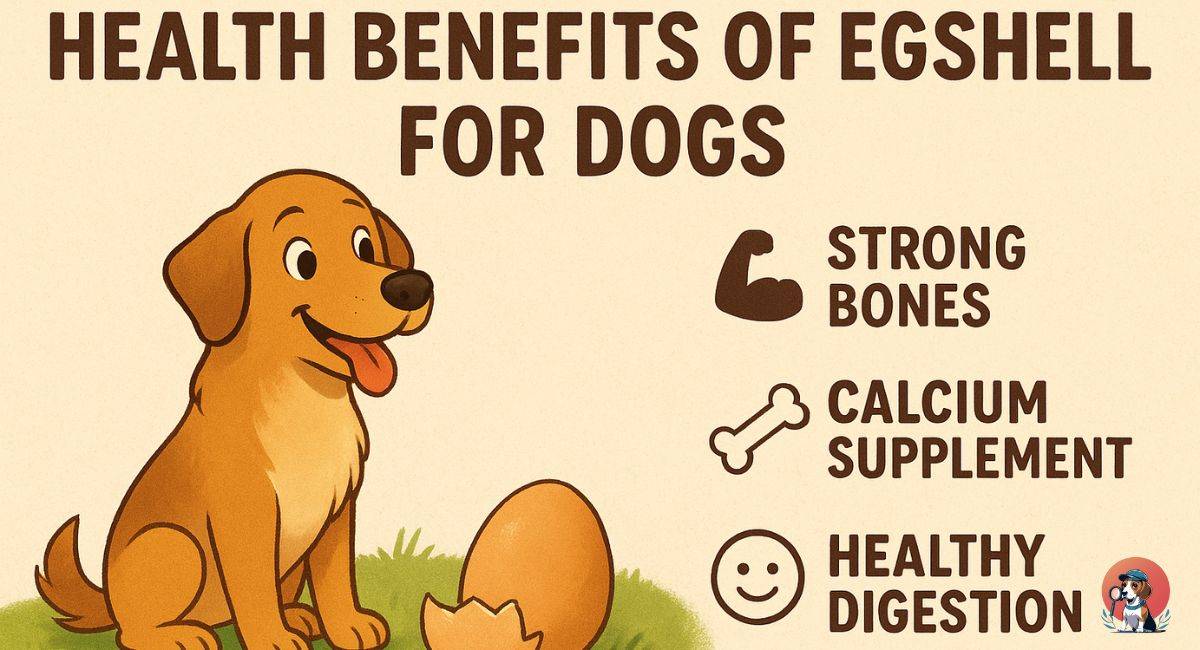
Calcium carbonate is found in eggshells, and it helps to support your dog’s teeth and bones. One large eggshell will typically measure about 5 grams or 1 teaspoon of powder when crushed. Every gram of powdered eggshell contains approximately 350mg of calcium. A single 5g eggshell contains approximately 1,750mg calcium.
One teaspoon of eggshell powder can dogs have eggshells is a good supplement for adult dogs who consume 1,000 calories per day. If your dog is eating a balanced diet, then their calcium requirements are likely already met by their food.
The delicate membrane attached to the interior of the shell is a good source of nutrients that are beneficial for joint health. This helps both senior and young dogs maintain mobility while their joints mature. Can dogs have eggshells?
Risks and Safety Concerns When Feeding Egg Shells
The eggshells have many health benefits, but you should also be aware of the potential dangers based on what type of eggs are purchase. When fed excessively, harmful chemicals or additives, like salmonella, that are used to improve the appearance of commercially-sold eggs, can cause health problems. In general, farm-fresh eggs are considered to be safer than commercially bought eggs. Can dogs have eggshells?
If you are introducing new foods to your dog, be sure to monitor them closely to ensure they do not have an adverse reaction, such as diarrhea or bloating. New foods can cause digestive issues in some dogs, but they usually subside within a week. If you are unsure, contact your veterinarian.
Eggshells can cause choking. It may seem easier to give your dog an entire egg or a broken shell than to add eggshell powder, but this can block their airway. This is especially true for small breeds. The safest way to prepare and serve eggshells is by grinding them into a fine powder. Can dogs have eggshells?
How to Prepare Egg Shells Safely for Your Dog
The eggs you find in grocery stores have been treated with chemicals, which are not good for your dog’s health. Can dogs have eggshells? Choose eggs from farm-raised organic chickens, which are not treated with hormones or antibiotics.
Even though a dog’s stomach can handle most bacteria, such as Salmonella, it is still recommended that eggshells be boiled for 5-10 mins or baked at 200degF (20-20 minutes) for 15-20 minutes.
You can then grind the shells into a fine powder after they have dried completely. You can easily do this by using a food processor or coffee grinder — just make sure it is cleaned before. Can dogs have eggshells?
How to Add Egg Shells to Your Dog’s Diet
You can add eggshells to your dog’s diet after you have prepared them properly. However, moderation is essential. Calcium excess can cause health problems, including kidney stones and hypercalcemia.
Suggested serving sizes:
You can safely give your dog different amounts of eggshell powder depending on the size and nutritional needs. A small amount of eggshell powder added to your dog’s food daily is enough to boost their calcium level without exceeding the recommended amount. Can dogs have eggshells?
Can Dogs Eat Raw or Boiled Eggs Too?
Eggs are safe for dogs to eat, whether they’re raw or cooked. This includes boiled eggs. Can dogs have eggshells? The egg yolks and whites are both beneficial to your dog.
The eggs are a great source of essential amino acids and omega-3 fatty acids, as well as vitamins A and D. This makes them a healthy addition to any diet. Eggs prepared for human consumption, such as restaurant-style omelets and scrambled eggs, should not be consumed due to the added salt.
Preparing eggs at home is recommended, but make sure that no other ingredients are added. You can mix raw eggs with your dog’s food or give them as a special treat. Cooked eggs, like hard-boiled ones, contain fewer nutrients. Can dogs have eggshells? Many pet owners wonder what fruits and vegetables can dogs eat without harm. You can create a healthy diet for your pet by knowing which foods to feed them.
How Many Egg Shells Can a Dog Eat Per Week?
The egg shells are a treat and should not be included in your dog’s caloric intake. The remaining 90% of calories should come from a balanced nutritional dog food. Can dogs have eggshells?
Start with a small amount and monitor for signs of digestive discomfort or allergic reactions before increasing the serving size.
| Dog Size | Serving Size | Frequency |
| Extra-small dogs (2–10 pounds) | 1/4 of an egg | 1–2 times per week |
| Small dogs (11–20 pounds) | 1/2 of an egg | 1–2 times per week |
| Medium dogs (21–50 pounds) | 1 egg | 1–2 times per week |
| Large dogs (51–90 pounds) | 1 1/2 eggs | 1–2 times per week |
| Extra-large dogs (91+ pounds) | 2 eggs | 1–2 times per week |
Alternative Calcium Sources for Dogs
Although not all dogs enjoy eating eggshells, they can be a valuable source of calcium. There are many alternatives for your dog if he doesn’t like them. Raw bones of poultry such as chicken, turkey, or duck are high in calcium and can meet your dog’s nutritional requirements.
Calcium supplements are a great alternative for pet owners who don’t have the time or energy to prepare eggshells. These calcium supplements can be easily incorporated into your dog’s diet, whether it is raw or cooked, and can dogs have eggshells?
Consulting a canine nutritionist will ensure that your dog gets enough calcium. Calcium intake is important for strong bones, healthy muscles, and joints.
When to Consult a Veterinarian
Consult your veterinarian before adding any new ingredients to your dog’s food. Ask your vet Can dogs have eggshells if you are considering adding eggshells to your pet’s diet.
Why Professional Guidance Is Essential
Veterinarians offer individualized recommendations based on the overall health of your dog, his body weight, age, and dietary needs. This tailored approach can help avoid any nutritional imbalances and health complications caused by adding eggshells to your dog’s food.
Final Thoughts: Should You Feed Your Dog Egg Shells?
Eggshells are a nutritious and safe addition to your dog’s diet. Can dogs have eggshells? Yes, they are rich in calcium, glucosamine and chondroitin, which promote healthy teeth, bones, and joints.
As a whole, eggs are a great choice of food for dogs. They are a great option for your dog because they can be served either raw or cooked and with or without the shell.
FAQS
Q:1 Can dogs eat scrambled eggs?
Yes! Many veterinarians say that dogs can eat scrambled eggs, as it is a good way to feed them eggs.
Q:2 Can dogs eat eggs every day?
Eggs contain a high amount of fat, so dogs should only consume them in moderation. You should not give your dog more food than your veterinarian recommends.
Q:3 Can dogs eat eggs and rice?
Absolutely! Eggs and rice are fine for dogs. Rice is a good source of carbs, fiber, and it is also easy to digest.
Q:4 How much egg can I give to my dog?
In general, dogs should not eat more than an egg per day. Before adding any new food to your dog’s diet, you must consult your veterinarian.
Q:5 Can dogs eat boiled eggs?
Dogs can safely consume boiled eggs, as long as the eggs are fully cooked and served without seasonings. Additions like butter, salt, or seasonings are not healthy for dogs.
Q:6 How many eggs can a dog eat in a week?
The size of the dog and their calorie requirements will determine how much they eats. Small dogs (up to 10 pounds) are allowed to eat about a quarter of an egg per week. Extra-large dogs (more than 90 pounds) may eat two eggs.
Q:7 Can some dogs be allergic to eggs?
Eggs contain protein, and dogs can be allergic to them. Vomiting and diarrhea are signs that your dog has an allergic reaction. They can also have skin problems, such as itchiness in the ears, paws, and other areas.
Consult your veterinarian if you notice any of these symptoms.
Q:8 Can puppies eat eggs?
Eggs are safe for puppies. The nutritional value of eggs is the same for puppies and adult dogs. Limit your portions.