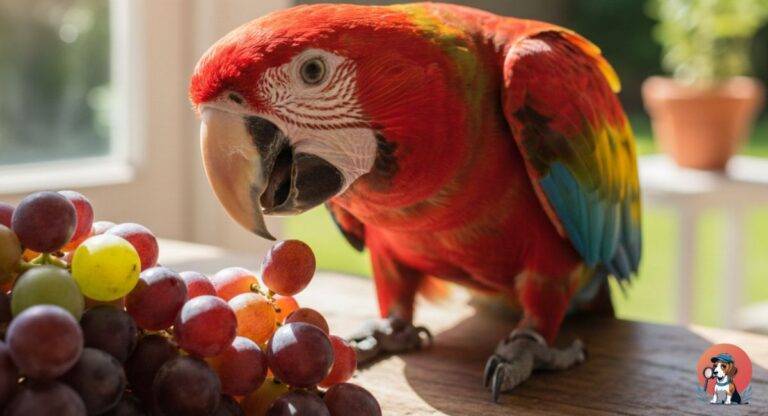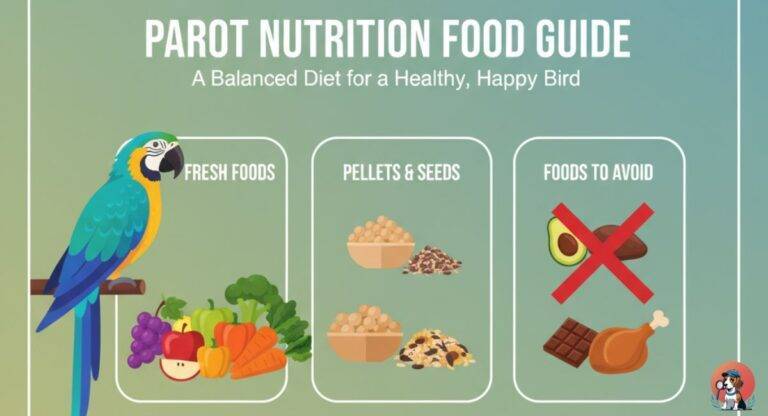
Yes, parakeets can eat fruit, and it can be a healthy addition to their diet when fed correctly, in controlled portions, and alongside nutritionally complete foods.
Fruit is not a primary food for parakeets, but modern avian veterinary guidance 2026 supports fruit as a supplemental food that contributes to hydration, vitamin intake, digestion, and enrichment.
In clear terms:
-
Fruit supports parakeet vitamin needs and hydration
-
Fruit must be limited due to natural sugar content
A healthy parakeet diet should always be built on:
-
High-quality formulated pellets
-
Fresh vegetables
-
Small amounts of fruit
-
Seeds only as occasional treats
Fruit works best as a safe parakeet treat, not a daily meal replacement.
Why Offer Fruits to Parakeets?
Fruits provide targeted nutritional benefits and important enrichment value when used responsibly.
In natural environments, parakeets consume a wide variety of plant materials, including berries and soft fruits, during certain seasons. Captive diets are often more limited, and fruit helps increase variety while supporting overall health.
Benefits of fruit for parakeets:
-
Vitamin A: supports vision, skin, feathers, and respiratory health
-
Vitamin C: supports immune function and stress response
-
Potassium: supports nerve signaling and muscle function
-
Dietary fiber: supports fruit for parakeet digestion
-
Antioxidants: help reduce oxidative stress
-
High water content: supports parakeet hydration
According to 2026 avian nutrition research, fruit also plays a role in:
-
Parakeet enrichment by encouraging foraging behavior
-
Reducing diet boredom
-
Supporting natural feeding instincts
Veterinarians emphasize that fruit should be viewed as a healthy parakeet snack, not a nutritional foundation.
What fruit do parakeets eat?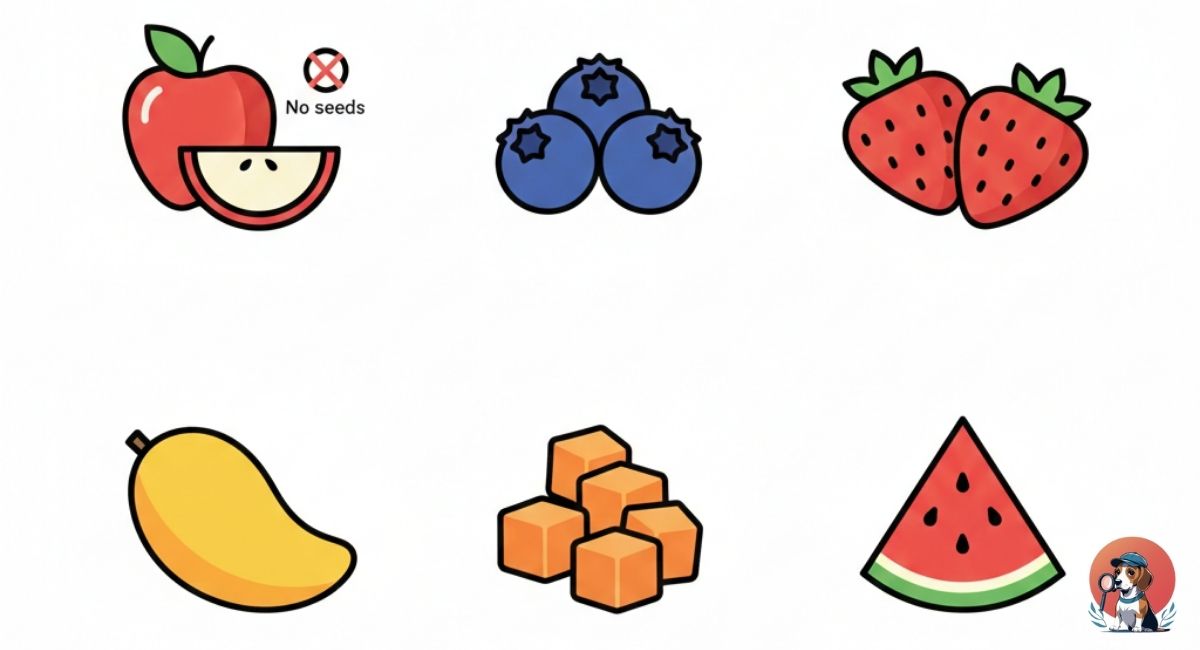
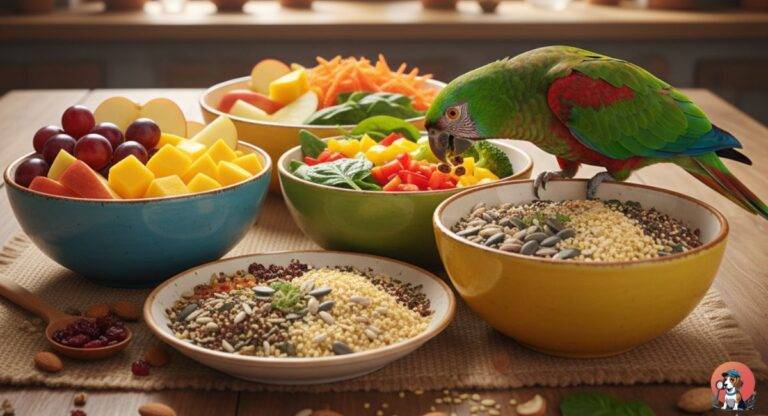
Parakeets can eat many types of fresh fruit that are ripe, soft, and properly prepared.
Most parakeets prefer fruits that are:
-
Mildly sweet
-
Juicy or soft
-
Easy to break into small bites
Common fruit categories parakeets eat:
-
Berries (blueberries, strawberries)
-
Melons (watermelon, cantaloupe)
-
Pome fruits (apple, pear)
-
Tropical fruits (mango, papaya)
-
Soft stone fruits (without pits)
Before serving fruit:
-
Wash thoroughly to remove residues
-
Remove seeds, pits, and cores
-
Cut into very small, bite-sized pieces
Offering a variety of fruits helps meet different parakeet vitamin needs and supports long-term acceptance of healthy foods.
Top 10 Best Fruits for Parakeets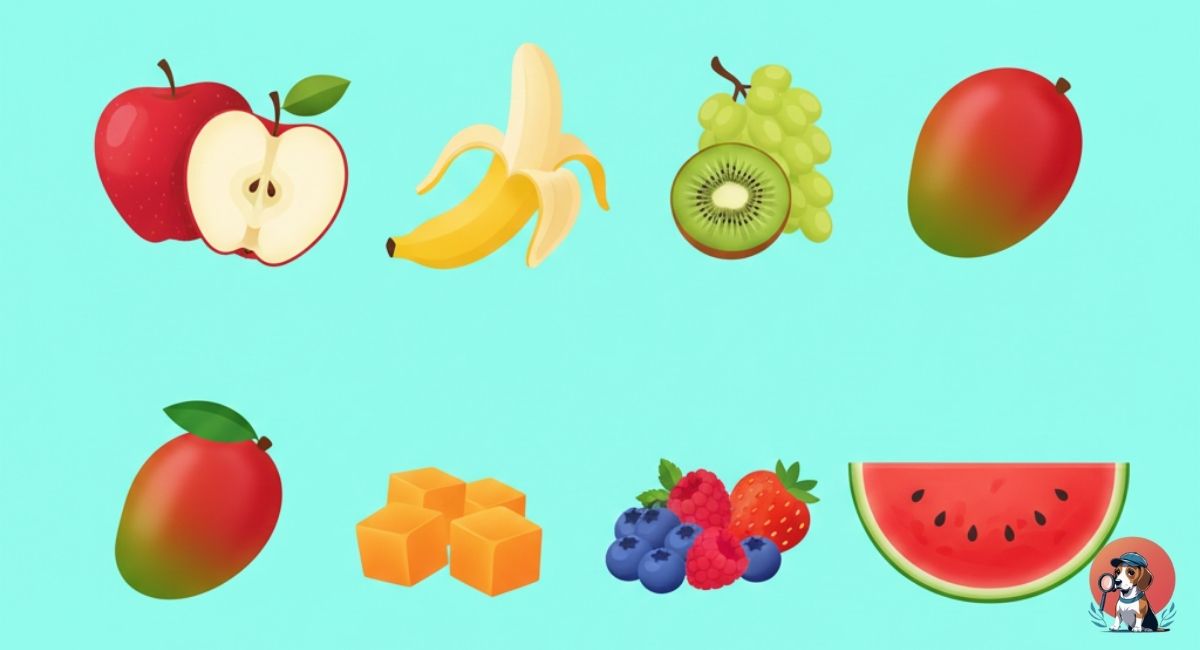
These fruits are widely considered safe parakeet treats when fed in moderation.
| Fruit | Key Nutrients | Health Benefits | Important Notes |
|---|---|---|---|
| Apple | Fiber, vitamin C | Digestive support | Remove seeds |
| Banana | Potassium, vitamin B6 | Energy, muscle health | Very small portions |
| Blueberries | Antioxidants | Cellular protection | Low sugar |
| Strawberries | Vitamin C | Immune support | Wash thoroughly |
| Grapes | Water, antioxidants | Parakeet hydration | Cut in half |
| Mango | Vitamin A | Feather and skin health | Remove pit |
| Papaya | Enzymes, vitamin C | Digestive support | No seeds |
| Pear | Fiber | Gut health | Remove seeds |
| Watermelon | Water, lycopene | Hydration support | No rind or seeds |
| Kiwi | Vitamin C, fiber | Immune health | Small pieces only |
Rotating fruits weekly helps prevent excess sugar intake from a single source.
Tips for Serving Fruits to Parakeets
How fruit is prepared and served directly affects safety and nutrition.
Safe serving tips:
-
Serve fruit raw and fresh
-
Cut pieces smaller than the beak
-
Offer fruit at room temperature
-
Use a clean, separate dish
-
Remove uneaten fruit within 2–3 hours
Helpful feeding practices:
-
Offer fruit in the morning when appetite is highest
-
Mix small fruit pieces with vegetables
-
Use fruit as a training reward or enrichment tool
-
Clean bowls daily to prevent bacterial growth
These habits support safe parakeet treats and long-term digestive health.
Fruits to Avoid for Parakeets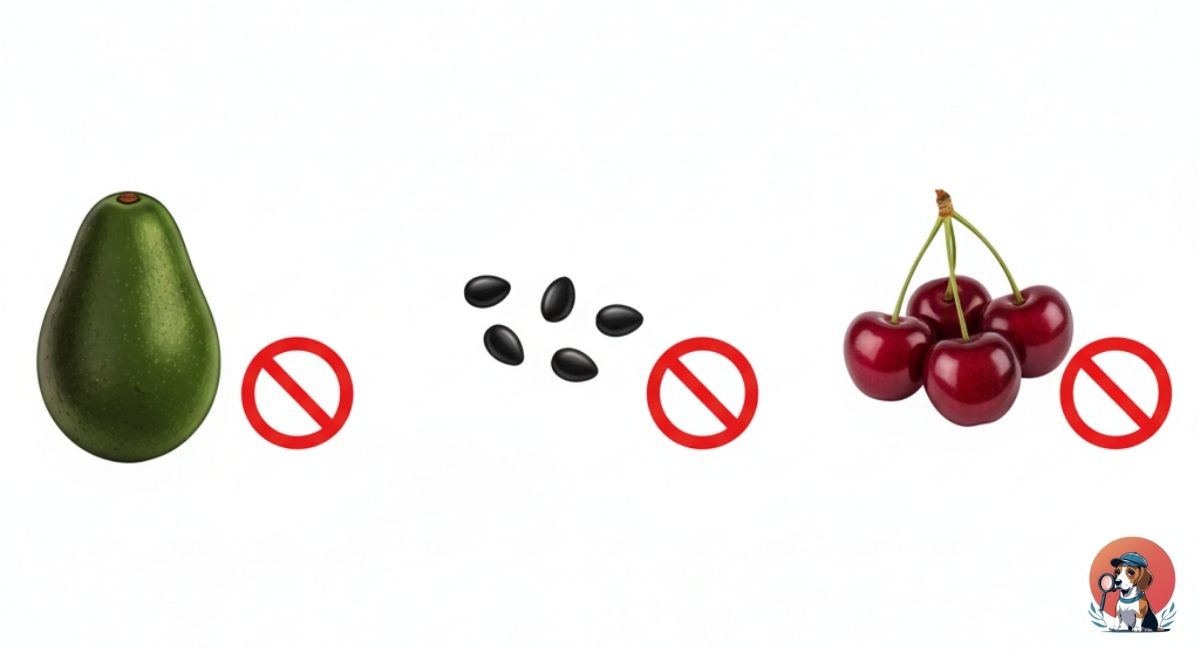
Some fruits or fruit parts are unsafe or toxic for parakeets.
Never feed:
-
Avocado (toxic to birds)
-
Apple seeds
-
Cherry, peach, plum pits
-
Unripe fruit
-
Moldy or spoiled fruit
-
Canned fruit
-
Fruit with added sugar, syrup, or preservatives
Seeds and pits contain compounds that can be dangerous even in very small amounts, especially for small birds like parakeets.
Do All Parakeets Like Fruit?
No. Parakeet preferences vary by individual bird.
Some parakeets accept fruit immediately, while others may ignore it or show hesitation.
Common reasons a parakeet may refuse fruit:
-
Raised on seed-only diets
-
Fear of new textures or colors
-
Preference for vegetables
-
Limited exposure early in life
Repeated, calm exposure usually improves acceptance over time. For many parakeets, fruit acceptance increases with age and variety.
How Much Fruit Should a Parakeet Eat?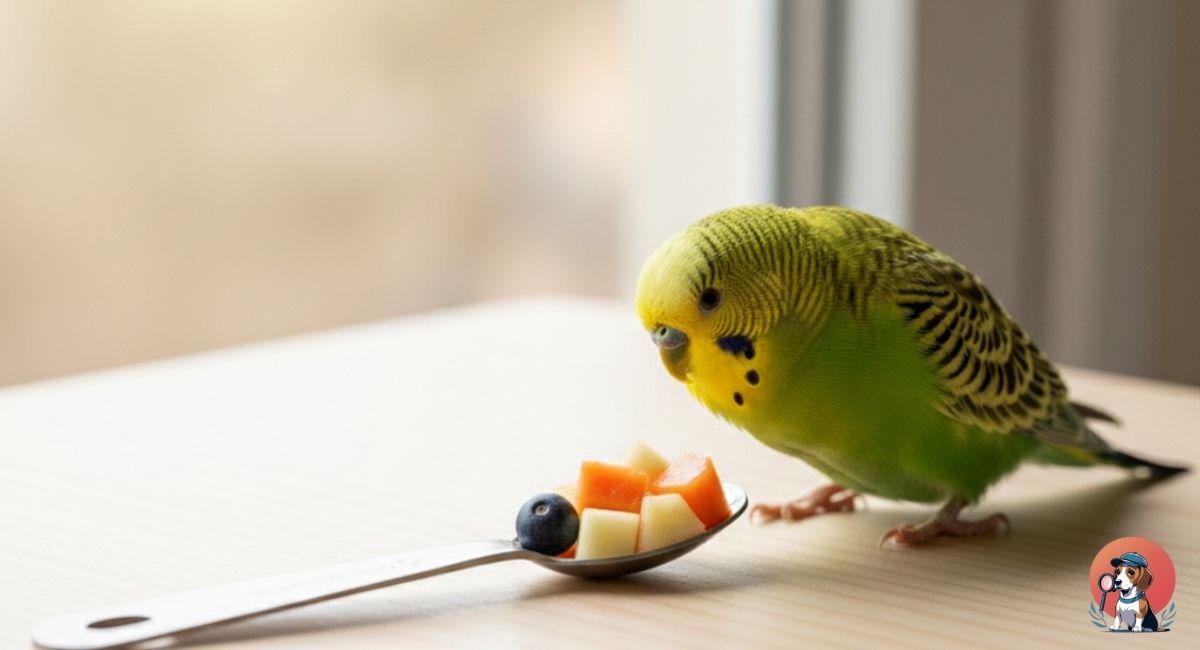
Fruit should make up no more than 10–15% of the total diet.
Recommended diet balance:
-
60–70% formulated pellets
-
20–25% vegetables
-
10–15% fruit
-
Seeds as occasional treats
Portion examples:
-
Small parakeets (budgies):
1 teaspoon (5–7 grams) per serving -
Larger parakeets:
Up to 2 teaspoons (10–14 grams) per serving
Frequency:
-
2–4 times per week
-
Not daily
Veterinary studies through 2026 associate excessive fruit intake with:
-
Obesity
-
Fatty liver disease
-
Blood sugar imbalance
Fresh vs Dried Fruits for Parakeets
Fresh fruit is always the preferred option.
| Fruit Type | Recommendation | Reason |
|---|---|---|
| Fresh fruit | Yes | Hydration, lower sugar |
| Freeze-dried fruit | Occasionally | Some nutrients retained, no moisture |
| Unsweetened dried fruit | Rarely | Very high sugar concentration |
| Sweetened dried fruit | No | Unsafe additives |
Key differences explained:
-
Fresh fruit supports parakeet hydration and digestion
-
Freeze-dried fruit retains some nutrients but lacks water
-
Regular dried fruit concentrates sugar and calories
Dried fruit should only be used as an occasional enrichment treat.
How to Introduce Fruit to a Parakeet’s Diet
Slow introduction improves acceptance and reduces waste.
Step-by-step method:
-
Start with a pea-sized piece
-
Offer alongside familiar foods
-
Repeat exposure for 5–7 days
-
Switch fruit types if refused
-
Never force-feeding
This approach supports positive food experiences and long-term dietary variety.
Can Baby Parakeets Eat Fruit?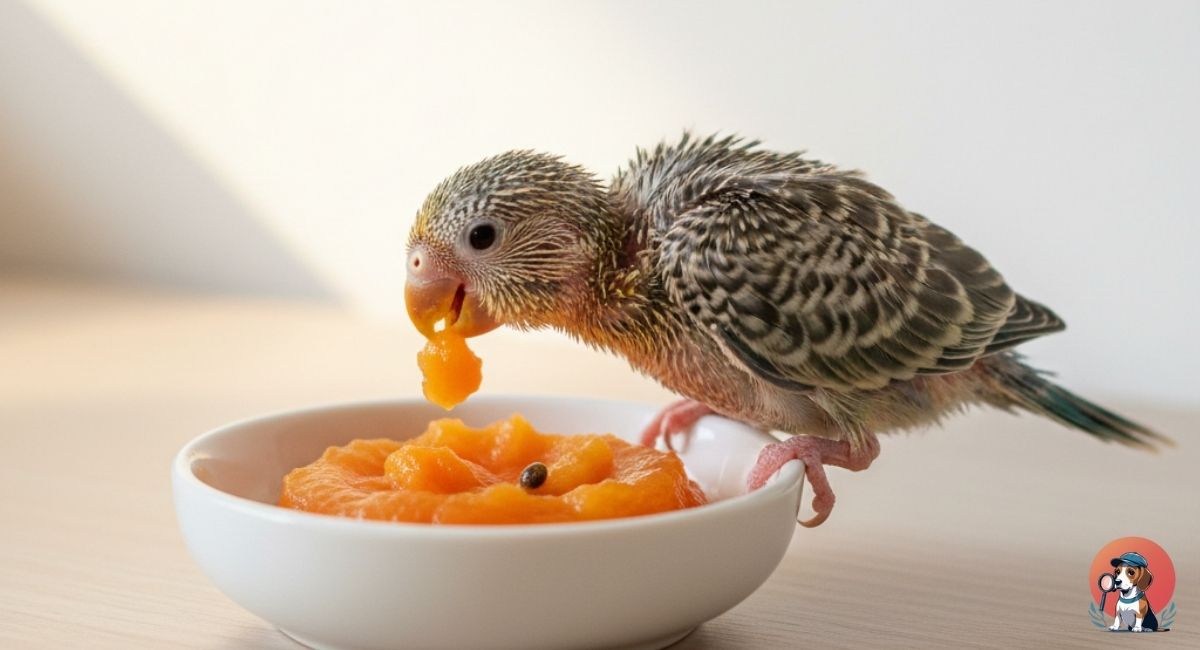
Baby parakeets should only eat fruit after full weaning.
Age-based guidance:
-
Unweaned chicks: No fruit
-
Newly weaned juveniles: Very soft fruit, tiny amounts
-
Adults: Standard fruit portions
For young parakeets:
-
Choose soft fruits like a banana or a papaya
-
Mash lightly
-
Offer once or twice per week only
Fruit should never replace proper chick formula or balanced juvenile diets.
Common Mistakes When Feeding Fruit to Parakeets
Many long-term health issues come from feeding errors rather than the fruit itself.
Common mistakes:
-
Feeding fruit daily
-
Replacing pellets with fruit
-
Leaving fruit in the cage too long
-
Offering fruit juice
-
Feeding processed or sweetened fruit
Long-term risks of overfeeding fruit:
-
Fatty liver disease
-
Obesity
-
Nutrient deficiencies
-
Reduced pellet consumption
Why fruit juice is unsafe:
-
No fiber
-
Extremely high sugar
-
Minimal nutritional value
Processed fruit products are never appropriate for parakeets.
Balancing a Parakeet’s Diet
Fruit alone cannot meet a parakeet’s nutritional needs.
A balanced diet includes:
-
Pellets for complete nutrition
-
Vegetables for fiber and minerals
-
Limited fruit for enrichment
-
Occasional protein sources such as legumes or cooked egg
Balanced diets support:
-
Feather quality
-
Immune strength
-
Healthy weight
-
Mental stimulation
Final Thoughts
Fruit can be a valuable part of a parakeet’s diet when used correctly.
The healthiest approach includes:
-
Variety
-
Portion control
-
Proper preparation
-
Consistency
Fruit should support nutrition and enrichment, not replace core foods.
See Also:
Conclusion: Can parakeets eat fruit
Can parakeets eat fruit? Yes, they can—and they benefit from it when fed responsibly.
Fruits support hydration, vitamins, antioxidants, digestion, and overall well-being. However, pellets and vegetables remain the foundation of a healthy diet for parakeets. Following updated veterinary guidance and proper portion control helps ensure long-term health and well-being.
FAQs: Can parakeets eat fruit
Q.1 Can parakeets eat fruit every day?
No. Fruit should be offered only a few times per week.
Q.2 Can parakeets eat grapes?
Yes, when cut into small pieces and fed in moderation.
Q.3 Is dried fruit safe for parakeets?
Only rarely, and only unsweetened varieties.
Q.4 What fruit is lowest in sugar for parakeets?
Berries and kiwi are lower-sugar options.
Q.5 Do parakeets need fruit to survive?
No. Fruit is beneficial but not essential if the diet is balanced.
Q.6 Can fruit cause health problems in parakeets?
Yes, if overfed. Excess sugar can lead to obesity and liver disease.