Can Parrots Eat Carrots? Yes, parrots can safely eat carrots. Carrots are nutritious, low in fat, and provide essential vitamins and minerals that support eye health, immunity, digestion, and feather growth. Both raw and lightly cooked carrots are suitable options, but preparation and portion control are crucial.
Carrots should be considered a supplement to a balanced diet, including pellets, fruits, and other vegetables, rather than a primary food source. Parrots of all sizes, from budgies and parakeets to macaws and cockatoos, can benefit from this healthy treat.
Are Carrots Safe for Parrots?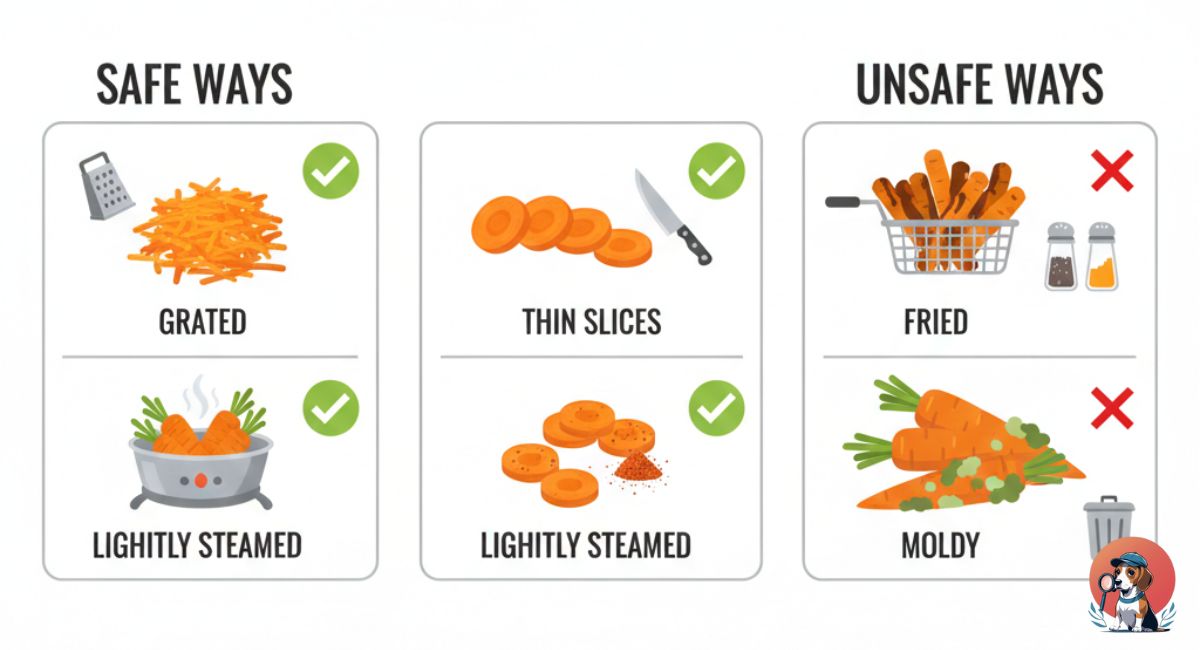
Yes, carrots are safe for parrots.
Carrots are non-toxic and recommended by avian veterinarians. They contain natural nutrients essential for parrot health and are low in sugar compared to fruits. Safety depends on proper washing, preparation, and portion control.
-
“Veterinary studies consistently recommend carrots as a safe, non-toxic supplement for parrots of all ages.”
-
“Carrots are widely used in avian nutrition programs to support healthy diets.”
Always wash carrots thoroughly to remove pesticides. Organic carrots are preferable for sensitive or young parrots. Avoid moldy, spoiled, or seasoned carrots.
Nutritional Benefits of Carrots for Parrots
Carrots are a rich source of beta-carotene, fiber, potassium, and antioxidants, which support overall health.
Key nutrients in carrots:
-
Beta-carotene (Vitamin A precursor): Supports vision, immune system, skin, and feather health.
-
Fiber: Aids digestion and prevents constipation.
-
Potassium: Supports nerve and muscle function.
-
Antioxidants: Help protect cells from oxidative stress.
An avian nutrition study found that parrots fed beta-carotene-rich vegetables showed improved feather quality and eye health.
“Regular inclusion of beta-carotene vegetables like carrots can reduce the risk of deficiency common in captive parrots.”
How to Feed Carrots to Parrots Safely
Wash, peel if needed, and cut carrots into small pieces or thin slices. Serve plain, never seasoned.
Safe feeding tips:
-
Chop or grate carrots for smaller parrots.
-
Serve thin sticks or slices for larger parrots.
-
Lightly steam carrots if your parrot struggles to chew raw vegetables.
-
Introduce carrots gradually to prevent digestive upset.
Offering carrots on a foraging toy encourages natural chewing and reduces boredom. Avoid fried, canned, or seasoned carrots, as they can harm your parrot’s digestive system.
Raw vs Cooked Carrots: Which Is Better for Parrots?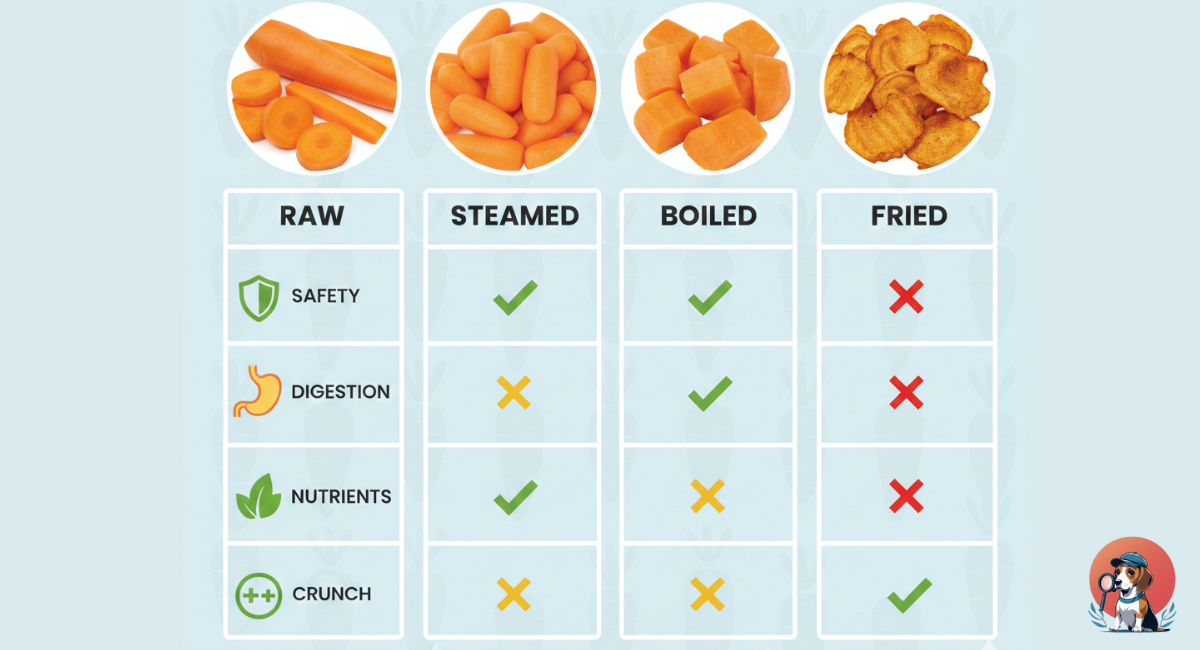
Raw carrots are best, but lightly cooked carrots are also safe.
Comparison:
| Type | Safe | Benefits | Notes |
|---|---|---|---|
| Raw | Yes | High nutrients, crunchy, and encourages chewing | Preferred for most parrots |
| Steamed | Yes | Easier digestion, softer texture | Avoid overcooking to retain nutrients |
| Boiled | Yes | Soft for older birds | Nutrient loss if overcooked |
| Fried | No | None | High fat, unsafe |
| Seasoned | No | None | Can cause digestive issues |
“Compared to leafy greens, carrots are easier for parrots to chew and more likely to be accepted by picky eaters.”
How Much Carrot Can a Parrot Eat?
Carrots should be offered in moderation.
Portion guidelines:
-
Small parrots (budgies, lovebirds): 1–2 small grated pieces, 2–3 times per week.
-
Medium parrots (conures, quakers): 1–2 teaspoons, 3–4 times per week.
-
Large parrots (macaws, cockatoos): A few thin slices, several times per week.
Carrots should not exceed 10–15% of total vegetable intake. Overfeeding can lead to excessive vitamin A intake. Introduce gradually to prevent digestive upset.
Best Vegetables Parrots Can Eat
Parrots benefit from a variety of safe vegetables.
Recommended vegetables:
-
Carrots
-
Bell peppers
-
Broccoli
-
Kale
-
Spinach (in moderation)
-
Sweet potato (cooked)
-
Zucchini
-
Pumpkin
-
Green beans
-
Peas
-
Corn (fresh or cooked)
Rotating vegetables weekly prevents nutrient gaps and keeps parrots engaged. Veterinary nutritionists recommend offering a colorful variety for optimal vitamin intake.
Vegetables That Are Unsafe for Parrots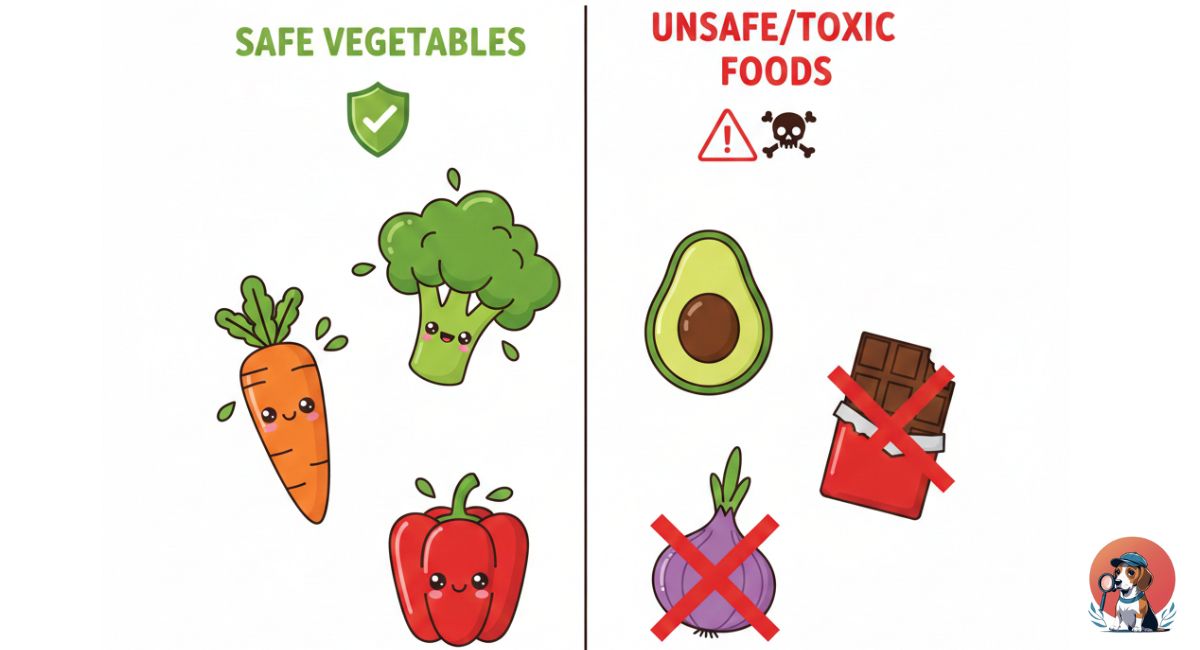
Certain vegetables can be harmful.
Unsafe vegetables:
-
Onions, garlic, chives, and leeks (can cause anemia)
-
Mushrooms (digestive upset)
-
Raw potatoes (solanine toxin)
-
Rhubarb leaves (toxicity)
Avocado and Other Toxic Foods for Parrots
Avocado is highly toxic and must never be fed.
Toxic foods to avoid:
-
Avocado (persin toxin)
-
Chocolate
-
Caffeine
-
Alcohol
-
Fruit seeds (apple, cherry, peach pits)
-
Xylitol (artificial sweetener)
-
Salty or sugary human foods
Authority note:
-
“Always check labels as some human snacks contain xylitol or chocolate derivatives that are highly toxic to parrots.”
-
“Even small amounts of avocado or chocolate can cause severe illness or sudden death in parrots.”
Parrot Vegetable Safety Tips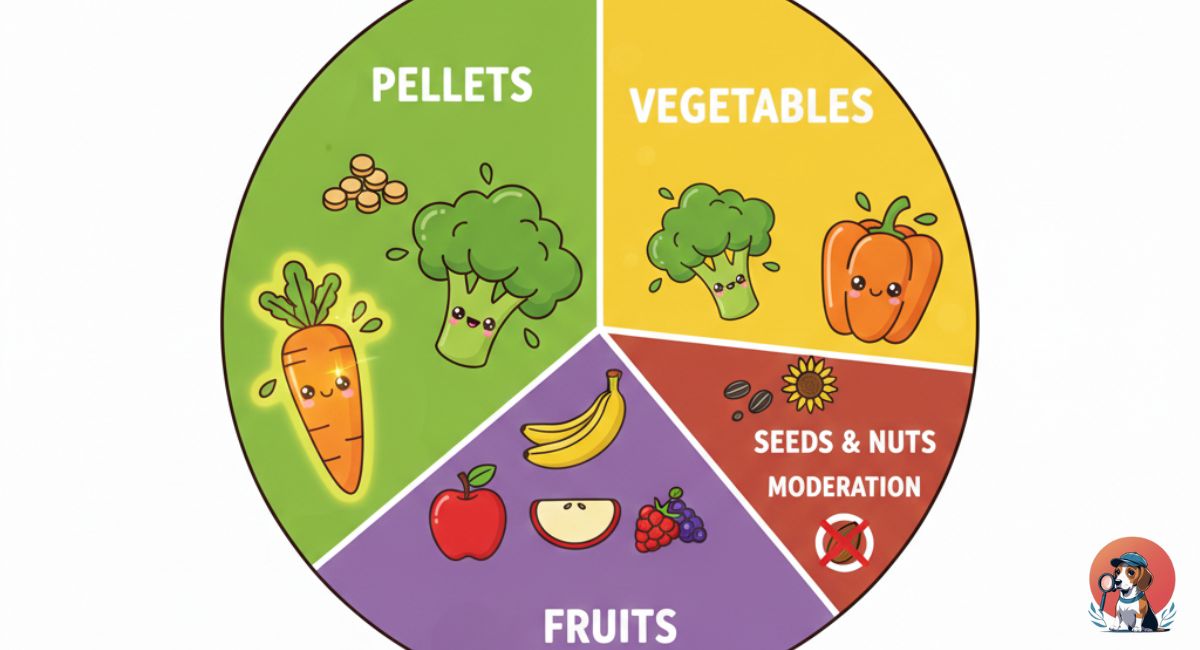
Hygiene and variety are key for safe feeding.
Safety tips:
-
Wash vegetables thoroughly.
-
Remove uneaten food within 2–3 hours to prevent bacterial growth.
-
Rotate vegetables weekly for variety and interest.
-
Avoid seasoning, salt, or oil.
-
Introduce new foods slowly.
Monitoring your parrot’s digestion and stool consistency helps identify intolerances early.
Ideal Feeding Routine for a Healthy Parrot
A balanced routine combines pellets, vegetables, fruits, and seeds/nuts.
Daily breakdown:
-
50–60% high-quality pellets
-
20–30% fresh vegetables (including carrots)
-
10% fruits
-
5–10% seeds and nuts
Sample schedule:
-
Morning: Pellets + fresh vegetables
-
Afternoon: Small portion of fruit
-
Evening: Limited seeds or nuts as treats
Clarity: “Combine carrots with fruits, nuts, and protein sources for a complete diet.”
Following this structure prevents obesity, supports nutrient balance, and encourages natural feeding behavior.
See Also:
FAQS
Q.1 Can parrots eat carrot tops?
Yes, carrot greens are safe when washed thoroughly.
Q.2 Can baby parrots eat carrots?
Yes, finely grated or lightly cooked carrots are suitable for young parrots.
Q.3 Can parrots eat carrots every day?
Carrots can be offered often, but not as the only vegetable.
Q.4 Do carrots help parrot eyesight?
Yes, beta-carotene supports eye health.
Q.5 Can parrots eat carrots with skin?
Yes, if thoroughly washed and pesticide-free.
Conclusion
Carrots are a safe, nutritious, and beneficial vegetable for parrots when fed properly. Raw carrots provide crunch and maximum nutrients, while lightly cooked carrots are ideal for older or smaller birds.
Veterinary guidance emphasizes that a varied vegetable diet, including carrots, supports long-term feather, eye, and immune health. Feed carrots as part of a balanced routine with pellets, fruits, and other safe vegetables to help your parrot thrive.