Playful and curious by nature, cats often explore environments that expose their eyes to dust, bacteria, allergens, and minor injuries. Because a cat’s eyes are delicate and constantly exposed, even small irritations can quickly turn into infections if they are ignored. Eye infections can cause redness, discharge, discomfort, and in serious cases, permanent vision problems.
The good news: mild cat eye infections can sometimes be managed at home using safe, gentle care. However, not every eye problem can or should be treated at home. Knowing the difference is critical for your cat’s comfort and long-term eye health.
This 2026-updated guide explains cat eye infection remedy, how to clean your cat’s eyes safely, when home care is appropriate, and when you must see a veterinarian.
Can You Treat a Cat Eye Infection at Home?
Yes, but only in mild cases.
Mild eye irritation or early-stage infections may improve with proper hygiene, saline cleaning, and warm compresses. These methods help reduce irritation, remove discharge, and support natural healing.
However, home care is not a replacement for veterinary treatment. Eye infections caused by bacteria, viruses, or corneal damage can worsen rapidly without proper medication.
Home care may be appropriate if:
- Discharge is clear or slightly watery
- Redness is mild and not worsening
- Your cat keeps its eye open
- Your cat is active, eating, and behaving normally
Home care is not safe if:
- Discharge is yellow, green, or thick
- The eye appears swollen or cloudy
- Your cat is squinting or keeping the eye closed
- There is visible pain or sensitivity to light
- Symptoms last longer than 48 hours
When in doubt, always choose veterinary care. Early treatment prevents complications.
What Causes Eye Infections in Cats?
Understanding the underlying cause helps prevent repeat infections and guides proper treatment.
Common causes include:
Bacterial infections
Bacteria such as Chlamydia felis and Mycoplasma commonly affect cats, especially in multi-cat households, shelters, or breeding environments. These infections often produce thick yellow or green discharge.
Viral infections
Feline herpesvirus is one of the most common causes of recurring eye infections. Stress, illness, or a weakened immune system can trigger flare-ups, even years after the initial infection.
Allergens and irritants
Dust, pollen, smoke, perfumes, cleaning chemicals, and poor ventilation can irritate the eyes and lead to inflammation or secondary infection.
Physical injuries
Scratches from claws, rough play, plant material, or foreign debris can damage the eye surface and allow bacteria to enter.
Weakened immunity
Kittens, senior cats, and cats with chronic illnesses are more vulnerable due to weaker immune defenses.
Even indoor cats can develop eye infections from household irritants or minor injuries.
Signs Your Cat Has an Eye Infection
Early detection is essential. Watch closely for these warning signs:
- Red or swollen eye tissue
- Excessive tearing or watery eyes
- Yellow, green, or thick discharge
- Crusting around the eyes
- Squinting or frequent blinking
- Pawing or rubbing the eye
- Cloudy or hazy eye surface
- Sensitivity to light
- Behavioral changes such as hiding or irritability
Prompt care reduces discomfort and lowers the risk of permanent damage.
Cat Eye Infection Home Remedy (Safe Options)
How to Clean a Cat’s Eye at Home
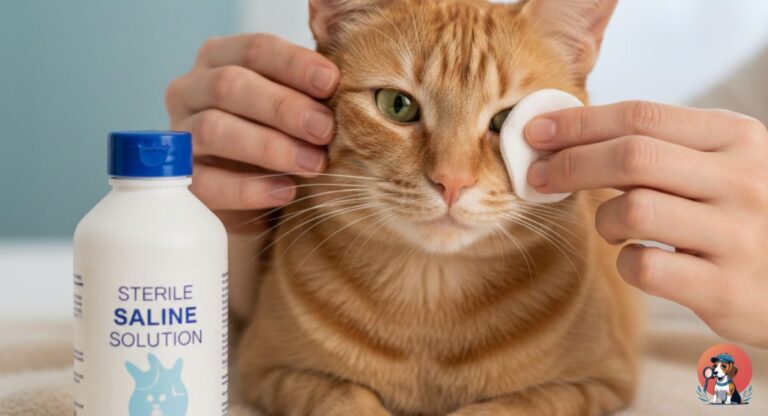
Cleaning is the safest and most effective home remedy for mild eye infections.
How to clean your cat’s eyes correctly:
- Use sterile saline solution or boiled water that has cooled completely
- Wash your hands thoroughly before starting
- Soak a clean cotton pad or sterile gauze
- Gently wipe from the inner corner outward
- Use a separate pad for each eye
- Clean 1–2 times daily, or as needed
Never reuse cotton pads, and never apply pressure directly to the eyeball. Always be gentle.
Warm Compress for Cat Eye Infection
A warm compress can reduce swelling, soften discharge, and improve comfort.
How to apply a warm compress:
- Soak a clean cloth in warm (not hot) water
- Wring out excess moisture
- Hold gently against the closed eye for 5–10 minutes
- Re-warm the cloth as needed
- Repeat 2–3 times daily
Warm compresses help improve circulation and encourage natural drainage.
Can Natural Remedies Help?
Some natural options may provide supportive care only under veterinary guidance.
Potentially safe options include:
- Sterile saline eye rinse for routine cleaning
- Colloidal silver eye drops, if specifically approved by a veterinarian
- Medical-grade honey eye wash, used only with veterinary approval
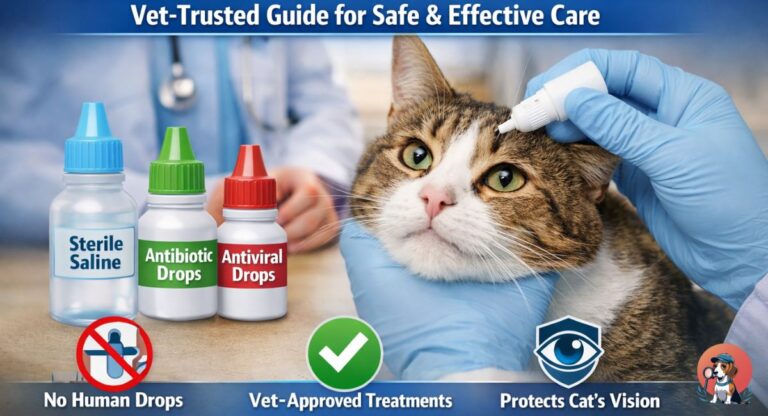
Never use: essential oils, herbal teas, apple cider vinegar, hydrogen peroxide, or human eye drops. These substances can cause serious eye damage.
Home Remedies for Kitten Eye Infection
Kittens are especially vulnerable to eye infections because their immune systems are still developing.
Safe home care for kittens includes:
- Gentle saline cleaning 2–3 times daily
- Keeping bedding clean, dry, and warm
- Preventing exposure to sick animals
- Monitoring closely for changes
Important: kitten eye infections can worsen rapidly. If symptoms last more than 24 hours or worsen, veterinary care is essential.
When Home Treatment Is Not Enough
Seek veterinary care immediately if:
- Symptoms last longer than 48 hours
- Discharge becomes thick, yellow, or green
- The eye becomes swollen or cloudy
- Your cat develops a fever or lethargy
- The eye remains closed or painful
Delaying treatment increases the risk of corneal ulcers, scarring, chronic infection, or vision loss.
Veterinary Treatment for Cat Eye Infections
Veterinary treatment depends on the underlying cause.
A veterinarian may prescribe:
- Antibiotic eye drops or ointments for bacterial infections
- Antiviral medications for viral infections
- Anti-inflammatory medication to reduce swelling
- Pain relief if corneal ulcers are present
Always follow dosage instructions carefully and complete the full course, even if symptoms improve early.
Can Cat Colds Cause Eye Infections?
Yes. Upper respiratory infections, often called cat colds, frequently cause watery eyes, sneezing, and discharge.
Supportive care includes:
- Keeping your cat warm and stress-free
- Encouraging fluid intake
- Cleaning eyes regularly
If cold symptoms worsen or persist, veterinary evaluation is necessary to prevent secondary eye infections.
Symptom Guide: Home Care vs Vet Care
| Symptom | Home Care Safe? | Vet Needed? |
|---|---|---|
| Mild watery discharge | Yes | No |
| Redness without pain | Sometimes | Monitor |
| Yellow or green discharge | No | Yes |
| Swollen eye | No | Yes |
| Cloudy cornea | No | Immediate |
| Squinting or pain | No | Yes |
How to Prevent Eye Infections in Cats
Prevention is the best long-term strategy.
Helpful prevention tips:
- Clean eyes regularly with saline solution
- Keep litter boxes and bedding clean
- Reduce dust, smoke, and household irritants
- Maintain vaccinations and routine checkups
- Provide balanced, high-quality nutrition
- Reduce stress in multi-cat households
Consistent preventive care supports lifelong eye health.
See Also:
- Cure for Cat Cold
- How Can I Soothe My Cats Itchy Skin
- How to Clean Cat Eyes
- Natural Antibiotics for Cats
- Home Remedy for Cat With Fever
FAQs
Q.1 What are the first signs of a cat eye infection?
Redness, tearing, discharge, squinting, and blinking are common early signs.
Q.2 How often should I clean my cat’s eyes?
Once or twice daily until discharge clears, unless your veterinarian advises otherwise.
Q.3 Are human eye drops safe for cats?
No. Many eye products are toxic and can worsen eye damage.
Q.4 Can a cat eye infection heal on its own?
Very mild irritation may improve, but most infections require treatment.
Q.5 How long does recovery take?
Mild cases may improve in a few days. Severe infections can take weeks.
Conclusion
A cat eye infection home remedy can be helpful in mild cases when used correctly and safely. Regular eye cleaning, warm compresses, and good hygiene support healing, but veterinary care is essential for severe or persistent symptoms.
Early action protects your cat’s comfort, vision, and long-term eye health.