A cat cold is something that concerns any pet owner. Sneezing, tearing eyes, or a lack of energy are sufficient indicators that your cat is not healthy. It is important to note that having information about cat colds is what you need for rapid recovery for your cat.
LEARN MORE: cat eye infection remedy
Cold in cat
A cold is a prevalent disease in cats, regardless of their age. Just like humans, cats also suffer from colds when their body’s immunity becomes weak. If your feline sneezes too much, has watery eyes, or appears lethargic, chances are that it has caught a cat cold. Timely care can save the condition from aggravation and keep your pet in comfort.
What is cat cold?
A cold in cats is usually an upper respiratory infection brought about by the viruses, feline herpesvirus, and calicivirus. These diseases affect the eyes, nose, and throat of cats, manifesting in sneezing, nasal discharge, and irritation of the eyes. Even mild cat colds will affect your cat’s appetite and energy levels; thus, early attention is essential.
Do cats get colds?
Yes, cats can get colds, but these are due to viruses that affect only cats and not humans. The major culprits of cat common cold infections include feline herpesvirus and calicivirus. The disease is contagious, and cats living in multiple-cat households or shelters easily catch the infection.
Cats and Colds
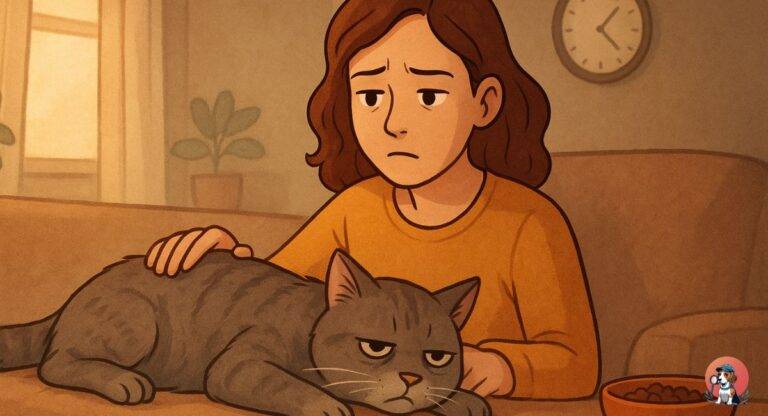
When cats develop a cold, their immune system could be weakened and be susceptible to secondary infection. Symptoms can be anything from mild sneezing to discharge of the eyes, fever, and loss of appetite. A cat’s cold can also affect breathing, making observation and care important.
How Do Cats Get Colds?
How Cats Get Colds: Cats catch colds by being around an infected cat or from contaminated objects. Transmission of viruses can be through sharing bowls, bedding, and grooming. Environmental stressors, sudden weather changes, and poor nutrition can also help to provoke a cold in a cat.
Causes of a cat’s cold
Common causes of a cold in cats include:
- Feline herpesvirus (FHV-1)
- Feline calicivirus (FCV)
- Bacterial infections
- Poor immunity
- Exposure to other sick cats
- Poor hygiene or overcrowded living conditions
Identification of the cause aids appropriate treatment and home care.
Cat Cold Symptoms
Watch for these feline signs of a cold:
- The act of sneezing/coughing
- Watery, red, or swollen eyes
- Runny nose or nasal congestion
- Anorexia or lethargy
- Mild fever
It allows for early recognition, on-time intervention, and decreases complications.
Signs & Symptoms of a Cold in Cats
Other warning signs are:
- Chronic nasal discharge
- Discharge from the eyes, causing crusting
- Difficulty breathing or wheezing
- Lethargic or decreased playfulness/activity
- Dehydration
It is necessary to take action only if symptoms persist for more than a few days.
Diagnosis of cat colds
Diagnosis of a cold in a cat is done by a vet through examination; lab tests may be carried out or swabs to ascertain the presence of a virus or bacteria. This will ensure that an accurate diagnosis allows for the right care and avoidance of further deteriorated conditions.
How to Treat a Cat With a Cold
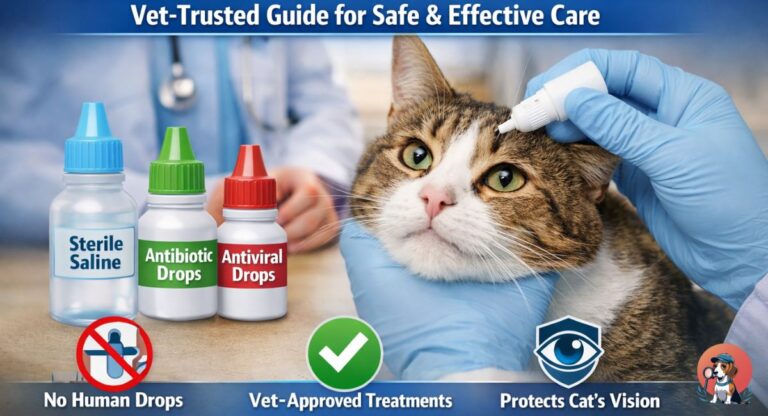
Treatment reflects severity. Mild cat colds may improve with supportive care at home, while severe infections could require antibiotics, antiviral medication, or eye drops. Keeping your cat hydrated, warm, and stress-free is key.
At-Home Remedies for Cat Colds
You can support recovery with the following natural remedies:
- Use a humidifier to ease breathing
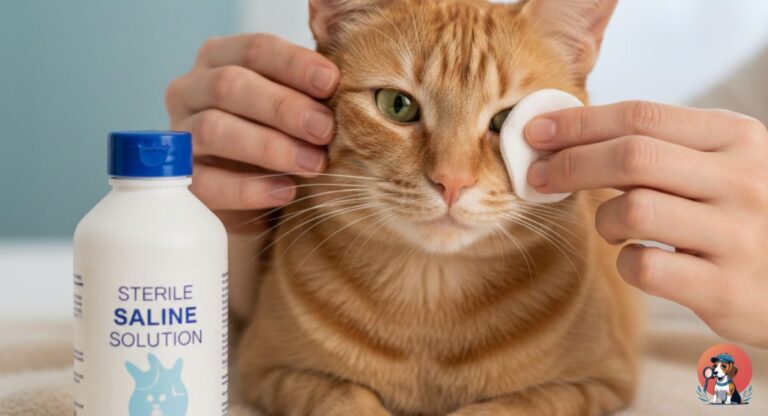
- Clean around the eyes and nose with warm water, gently dabbing.
- Offer soft, warm foods to promote eating
- Provide fresh water and clean feeding bowls.
- Isolate your cat from other pets to avoid spreading
These remedies will help in quicker recovery from the cold.
How to Care for Your Sick Cat
Taking care of a sick cat means:
- Providing a warm and quiet resting place
- Food and Water Consumption
Closely observe food - Observing symptoms such as discharge in the eyes/ nose
- Reducing Stress to Help Immunity
Taking good care of a bee sting wound can prevent pain and speed up healing.
Recovery and Management of Cat Colds
Usually, cats will recover in 1 to 3 weeks. However, if sneezing or discharge persists, they might have secondary infections. Cleaning environments where they sleep, eat, and have their litter boxes eliminates re-infection. The immune system can be boosted with nutrition and hydration.
When a Vet Should Be Consulted
Consult a vet if:
- Symptoms have lasted more than 10 days
- Breathing is hard, or the Fever starts
- Excretions from the eyes or nose are excessive
- Your cat stops eating or shows signs of being very lethargic
Early veterinary attention prevents complications.
Prevention Against Cat Colds
Ways to prevent cat colds in cats:
- Immunize against FHV-1 and FCV
- Avoid contact with ill cats
- Keep living areas clean
- Manage stress and promote proper nutrition
Prevention is important for keeping your cat healthy and can help prevent frequent colds.
FAQS
1. What is the best cure for a cat’s cold at home?
The best home cure for cat colds includes keeping your cat warm, using a humidifier, gently cleaning the eyes and nose, and proper hydration. Most mild cases improve with supportive care.
2. How long does a cat’s cold usually last?
The majority of colds in cats will last anywhere between 7 to 21 days, depending on the immunity of the cat and the attention given. Recovery is usually smooth if it gets proper rest and is well-treated.
3. Can a cat’s cold go away on its own?
Yes, a mild cat cold may resolve on its own. However, monitoring symptoms is necessary because it could lead to eye infections or breathing problems if the colds are not treated.
4. Are cat colds contagious to other cats?
Yes, colds in cats are very contagious. The viruses spread by sneezing, sharing bowls and bedding, and direct contact.
5. Can a cat cold cause eye infections?
Yes, a cat’s cold usually involves the development of watery eyes, redness of the eye, and discharge. If left unattended, it could lead to more serious eye infections.
6. When should I take my cat to the vet for a cold?
You should consult a vet if symptoms last more than 10 days, or your cat stops eating, has difficulty breathing, or develops thick eye or nasal discharge.
7. Can kittens get cat colds easily?
Yes, kittens are more susceptible to colds in cats because of their still-developing immune system. Early care is very necessary to avoid further complications.
8. How can I prevent cat colds in the future?
Standard vaccination, proper hygiene, good nutrition, less stress, and avoidance of contact with sick cats help prevent the recurrence of a cold in the cat.
Conclusion
Understanding the right cure for cat cold helps you act quickly and confidently when your cat shows signs of illness. From recognizing early symptoms to using gentle at-home remedies and knowing when veterinary care is needed, proper management plays a key role in recovery. Most cat colds are mild, but timely care, good hygiene, and immune support can prevent complications. By staying informed and taking preventive steps, you can protect your cat’s health, reduce recurring infections, and ensure long-term comfort and well-being.