Certain behaviors can indicate that a cat is nearing its end. The cat might refuse to drink or eat, lose weight, and have less energy. During their last days, many cats will seek solitude. Understanding the dying cat stages will help you provide the best end-of-life care for your pet.
How to Know if Your Cat Is Dying
It can be difficult to watch your pet die. You can prepare yourself for the dying cat stages that your pet will go through by knowing what to expect. This will also give you peace of mind, knowing your furry friend will be comfortable in their last days. You need to know how to recognize signs that your cat’s time is running out, such as a lack of appetite, lethargy, or difficulty moving. It’s never easy to say goodbye to your beloved pet, but knowing what happens in the final stages can help you prepare yourself emotionally.
Signs a Cat Is Dying
Both physical and behavioral signs indicate that cats are nearing death. These signs can also be indicative of a treatable disease.
If your cat is older or has a terminal disease, it might be time to consult your vet.
-
Loss of appetite
It is one of the early signs of a dying cat. It’s not unusual for a dying cat to lose their appetite and eventually stop eating. -
Weight loss
A cat that is still eating may experience weight loss when they are nearing the end of their life. As the body’s capacity to digest proteins decreases, cats lose muscle mass. This is common in the dying cat stages. -
Reduced energy
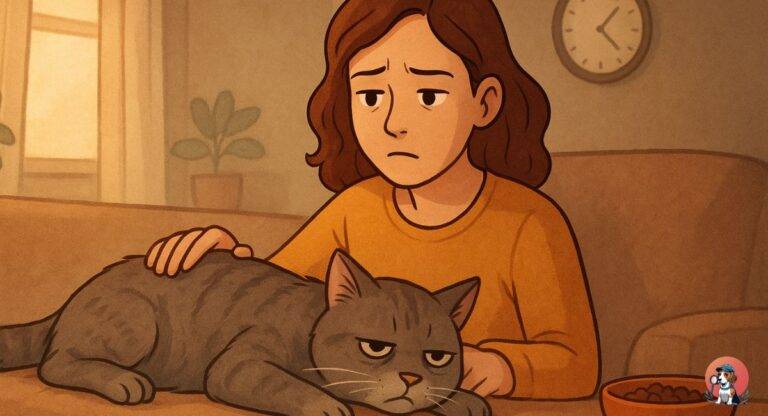
You may notice that your cat is losing energy as their body begins to shut down. Your cat’s energy can be depleted by pain or weakness. They may choose to sleep over doing the things they usually enjoy. -
Mobility problems
As cats age, they may experience increasing weakness and difficulty moving. Senior cats can also suffer from osteoarthritis, which can cause pain and difficulty in moving. -
The behavior of a dying cat may change dramatically as it nears the end. They may become irritable or clingy. They may hide, appear confused, or start vocalizing more.
-
When cats are tired and unwell, they stop grooming and cleaning themselves. Their coat can become dull, dirty, or matted.
-
Temperature Sensitivity
As cats age, their skin becomes thinner and they may lose muscle mass. This makes it more difficult to regulate body temperature. Their paws and their noses can become cold due to poor circulation. -
Abnormal breathing
During the final dying cat stages, cats can show abnormal breathing patterns such as shallow breaths or irregular breathing. As the respiratory system closes, the breath of the cat may sound like it is rattling. -
Vomiting and diarrhea
Dying kittens often experience gastrointestinal distress, which can lead to vomiting or diarrhea. Dehydration can occur, which will worsen the cat’s condition. -
Changes to litter box habits
Cats nearing the end of their lives may experience confusion or mobility problems that affect how they use litter boxes. -
As their health declines, cats will lose interest in things that they usually enjoy the dying cat stages.
-
Physiological changes
When a cat shuts down its body, it experiences physiological changes, such as slow breathing, a slowed heartbeat, cold extremities, and weakness. -
More bad than good days
If your cat is having a lot of bad days, then it may be time to let her go.
Common Signs a Cat Is Dying
We will explore the symptoms and show you how to respond with love and compassion during the dying cat stage.
1. Behavioral Changes: A behavior change is one of the first signs that your cat may be dying. Changes in the behavior of cats can reveal a great deal about their health. Cats are creatures that form habits.
Reduced Affection: Your cat might withdraw from social situations or seek solitude. They may also hide in quiet areas. This is a sign that they are trying to conserve energy.
Reduced Reactivity: Does your cat ignore stimuli they used to enjoy? This is a sign of yes.
If you notice that your cat has shown any of these behaviors, respect them and give them space. However, make sure to keep an eye on him or her as they may be in the dying cat stages.
2. The following are some physical symptoms that you should be aware of during the dying cat stages.
Labored Breathing: A struggle to breathe, or irregular breathing patterns that may indicate organ failure.
Lack of grooming can leave the fur matted and dull.
Extreme Lethargy: Your cat might spend more time sleeping than playing. Your cat may start to sleep more and show little interest in playing or moving.
3. Changes in Eating Habits
Your cat may not be interested in food if they aren’t eating or drinking.
This can sometimes lead to malnutrition or rapid weight loss.
Try offering high-calorie, easy-to-digest options such as soft wet foods or bone broth. If your cat still refuses to eat or drink, consult a veterinarian immediately.
4. Unusual Drooling
Drooling excessively in cats may be an indication of oral problems, nausea, and discomfort. These symptoms could be related to the declining health of your cat.
You can clean the face of your cat gently to avoid skin irritation. Consult a veterinarian to find out if you can help soothe their pain.
5. Avoiding the Litter Box
Your cat may lose control of their bladder as their body deteriorates. They may also avoid the litterbox completely during the dying cat stages.
It could be due to muscle weakness or organ failure, which makes it difficult for them to defecate. Use absorbent pads, or provide a space that is comfortable for them to relieve themselves.
Uncommon Signs of Cat Death
Here are some unusual signs that a cat may be dying.
Unexplained Meowing or Vocalizations: Your cat may be in pain or uncomfortable if they are making unusual noises or meowing. This may seem strange, but it is a way to express vulnerability.
Twitching and spasms are signs that a cat is nearing death. They may be alarming, but they are often harmless and natural in the dying cat stages.
Sudden Isolation: If your cat suddenly isolates itself or avoids interaction, it could be an indication of distress. Create a cozy and calm environment where your cat feels safe.
Signs of Pain and Discomfort
As the body shuts down, your cat’s symptoms may increase. You may notice that they have difficulty moving, or cry constantly, or stop vocalizing. You will notice that something is wrong as a cat nears the end of their life, particularly during the dying cat stages.
There are a few common signs of a cat in pain:
- Stiffness, a hunched posture, or limping.
- Constant crying, restlessness, or resistance to touching.
- Avoid grooming or an untidy coat.
Cat Dying Stages
Your vet will administer medication to your cat to help it relax before giving the injection to end their life. The body may relax and twitch, or even expel urine or feces. Before passing, your cat may take some deep breaths. Your veterinarian will confirm your cat’s death by checking for a heartbeat. This marks the last moments of the dying cat stages.
Euthanasia is not always necessary to end the life of a cat. This can make it more painful. Unmedicated deaths are often accompanied by labored breathing and a low body temperature. This can be a very stressful process for the cat, and it may take several hours.
3 Stages to Expect When a Cat Is Dying
You should know that there are different stages in which a cat will die. Each stage has its own obstacles and obligations. Understanding the dying cat stages will help you understand what your pet goes through and mentally prepare yourself. Here are the stages that a cat goes through before it dies.
The First Signs: The first signs of a cat entering its final stage are usually a lack of appetite, lethargy or fatigue, difficulties moving, and alterations in alertness. Your vet can also detect physical changes, such as an enlarged abdomen due to fluid buildup, reduced muscle mass, or increased breathing effort. Consult your vet if you see these signs. They can provide treatment advice and ensure that your pet feels comfortable during the dying cat stages.
End-of-Life Care – You might want to give palliative treatment to your cat in their final days. It involves giving pain relief, managing nutrition (often by using liquid diets), providing warmth and comfort in a peaceful setting, as well as lots of love and affection from family members. Speak to a veterinarian about the best way to maintain their quality of life until they die.
It is important to remain composed when saying goodbye to your cat. It is normal for your cat to take a few deep breaths just before he or she passes away.
How Long Does It Take for a Cat to Die?
Each cat has its own unique dying process. Ochoa says that once a cat has reached the terminal stage of old age or a terminal illness, it can take a cat several weeks or even months to die. But several factors can affect how long they live, including the dying cat stages.
- Nature and severity of the illness or health condition
- Treatment of symptoms
- Individual cat’s resiliency
- They receive hospice care and supportive care.
Providing Comfort and Care
You might feel helpless as you watch your cat pass away, but there are many things you can do to ease the pain and comfort them. Hospice or palliative medicine, also known as end-of-life care, focuses on managing a patient’s symptoms, improving comfort, and maximizing quality of life as much as possible during the dying cat stages.
Palliative care and hospice services may include:
- Manage pain and symptoms using medications and other treatments
- Supporting nutrition and Hydration
- Comfortable accommodation
- Offer emotional support
Making Your Cat Comfortable
Consult your veterinarian about end-of-life care. If medical intervention is not likely to prolong the life of your cat, discuss with your veterinarian how you can make her as comfortable as possible during her last days, the dying cat stages. The vet will prescribe pain medication if your cat is exhibiting symptoms. She may also prescribe equipment to help her drink and eat, or bandages to cover a wound.
Home hospice care is now a popular option for owners to help ease the passing of their pets. Owners provide care around the clock to keep their pets as healthy and comfortable as possible. You can make frequent vet appointments if you are not comfortable with a particular treatment for the dying cat stages.
A soft, warm mattress is a good idea. You can sometimes do the best thing for a cat that is dying by providing a warm and cozy bed. Be sure to keep your cat’s bed clean. Line the bed with towels that you can easily replace if your cat has incontinence.
Help your cat eliminate easily. Sometimes cats can have difficulty getting to the litterbox. You may need to carry your cat to the litterbox every few hours if she is too weak.
Monitor the pain level of your cat. You can identify your cat’s pain by carefully observing them in the dying cat stages.
How to Comfort a Dying Cat
It is important to provide comfort and care for your cat when they are in their final stages of life. It is a difficult time, but if you create a supportive environment, it can help make the transition easier during the dying cat stages.
If your cat is restless or unable to relax, try creating a peaceful space similar to when you’re learning what can I give my cat to sleep at night — calm, warm, and free of noise.
How to help your dying cat
1. Create a peaceful environment
Your cat only needs peace, quiet, and solitude. This begins with a warm and serene setting.
- Your cat will need a warm and quiet space to rest. You should provide your cat with a cozy, comfortable space. Give them cushions and blankets to make it more inviting.
- Hydration and bedding: Ensure they are hydrated and that they have clean and warm drinking water. Use a syringe and needle to give your cat water if they seem too weak to do so on their own.
It is a good idea to place your cat in an environment that they are familiar with, including similar toys, blankets, and other things the dying cat stages.
2. Pain Management
It can be painful to see your cat in pain, but with the right management, you can ease that discomfort.
- Consult your vet: Speak to your veterinarian if your cat is showing signs of pain, such as whining and restlessness. They may prescribe medication to relieve their discomfort.
- Gently Handling: The body of your cat is weakened, so be gentle when you pick them up or move them. Hold them gently and lift them up to ensure that it’s not painful.
3. Staying Present
You can be the best gift to your loved ones by simply being there. The familiar smell and touch of their loved ones comforts cats in their dying cat stages.
- Offering Physical Comfort: Gently stroke or talk to them softly. They will feel less alone if you offer them physical comfort.
- Be patient: Your cat will alternately seek attention or solitude. Always be near them when they are in need.
Veterinary Guidance and End-of-Life Care
You can ask your veterinarian for advice on the best way to provide palliative treatment for your cat. These professionals are well-trained and know how to treat cats who are nearing death. You can also ask them to help you euthanize a cat painlessly and humanely the dying cat stages.
- When to seek veterinary help
If you notice any of the early signs that your cat may be in trouble, contact a veterinarian immediately. They can examine your cat and let you know its condition. Your vet can guide you if your cat is in extreme pain or distress.
- Palliative Care and Hospice Care
The HHHHHMM Scale of Life is used by veterinarians to evaluate a cat’s health. This scale measures a cat’s ability to: - Hurt
- Hunger
- Hydration
- Hygiene
- Happiness
- Mobility
- There are more good days than bad
The vets use this scale when offering options for the end-of-life care of your cat. You can also get help managing symptoms when your cat’s final days are approaching the dying cat stages.
- Euthanasia Decisions
It is difficult to lose a pet, but watching it suffer is even more painful. Many cat owners choose to have their furry friends euthanized. This is a painless and humane way to end the life of a pet. Vets can assist you in euthanizing your cat. Vets inject a drug that will put your cat to sleep and help it die comfortably, in the dying cat stages. Vets can assist in euthanasia to ensure that your cat passes peacefully and comfortably. This is a difficult decision to make, but it is sometimes the best one. Especially if your cat has become too sick to recover.
Conclusion
Your efforts to comfort and care for your cat will bring it the love and peace it deserves. You can be the hero of their last chapter, the dying cat stages.
FAQS
Q.1 How do you tell if a cat is nearing the end of its life?
Cold extremities, shallow or labored breathing, vocalizations, and lethargy are all signs of a cat approaching the end of its life. These symptoms are signs of discomfort or pain. A warm, quiet atmosphere and gentle handling will help ease pain.
Q.2 What are the final moments of a cat?
These changes include: Hide or seek solitude in unexpected places. Changes in vocalization, such as yowling excessively or meowing, or even silence. Clinginess or irritation.
Q.3 How do cats say goodbye?
As cats near the end of life, they may exhibit several signs, including laziness, behavioral changes, and altered eating habits. They may also show visible pain or seek comfort from their owners. These changes are a cat’s attempt to communicate their declining health.
Q.4 How to make a dying pet comfortable?
Here are some tips on how to comfort a dying pet, no matter what gender it is: Stay near. Sit down with your dog and pet them. Use a soothing voice to talk to them. Keep routines. As much as you can, keep up with the normal activities of your dog. This will give your dog a sense of comfort and stability.
Q.5 What happens right before a cat passes away?
Cats that are nearing the end of their lives may exhibit both physical and behavioral symptoms. Weight loss, lethargy and vomiting, loss of appetite, hiding or reclusiveness, and a decline in alertness are all common signs that a cat may be dying.