Fever in cats is concerning for any pet owner, especially when it appears suddenly or is accompanied by changes in behavior. Many owners look for a home remedy for cat with fever to help their pet feel more comfortable while deciding on the next steps. Current veterinary guidance indicates that supportive home care can help manage comfort in mild cases, but it does not treat or cure the underlying cause of fever.
This guide explains what at-home fever support may be appropriate, what is not safe, and when professional veterinary care is essential. The information reflects modern feline care standards for 2025 and is suitable for both new and experienced cat owners.
Can You Treat a Cat’s Fever at Home?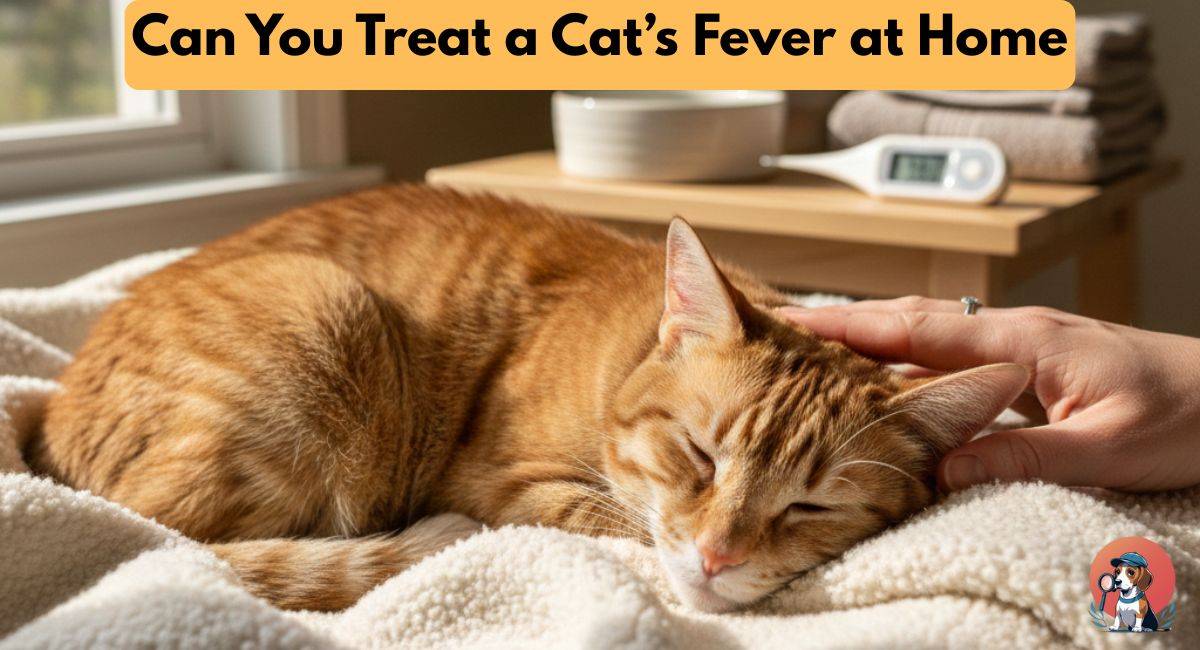
Mild fever symptoms in cats may be supported at home, but home remedies do not replace medical diagnosis or treatment.
Supportive home care focuses on:
-
Maintaining hydration
-
Reducing stress
-
Supporting rest and comfort
-
Monitoring symptoms closely
Cats should never be given human fever or pain medications, as many are toxic and potentially fatal.
What Is a Fever in Cats?
A fever in cats is defined as a body temperature above 102.5°F (39.2°C).
Explanation
A cat’s normal body temperature ranges from 100.5°F to 102.5°F. Fever is a natural immune response and usually indicates:
-
Infection (bacterial or viral)
-
Inflammation
-
Tissue injury
-
An underlying medical condition
Modern veterinary care standards emphasize that fever is a symptom, not a disease, and identifying the cause is critical for proper treatment.
Common Signs of Fever in Cats
Cats with fever often show noticeable physical and behavioral changes.
Common signs include:
-
Reduced activity or hiding
-
Decreased appetite
-
Warm ears or paws
-
Shivering or muscle weakness
-
Dehydration
-
Faster breathing
If these signs persist or worsen, especially beyond 24 hours, veterinary assessment is recommended.
Is It Safe for Cats to Use Home Remedies for Fever?
Some supportive home remedies are considered safe for short-term comfort, but only in mild cases and with close observation.
Safety considerations:
-
Appropriate only for mild, short-duration fever
-
Not suitable for kittens under 8 weeks
-
Not suitable for high or persistent fever
-
Requires ongoing monitoring
Current veterinary guidance stresses that supportive home care should never delay medical evaluation when symptoms persist or escalate.
Best Home Remedy for a Cat With Fever (Vet-Supported)
1. Hydration Support
Maintaining proper hydration is the most important and safest form of at-home fever support.
Why it matters:
-
Supports circulation and temperature regulation
-
Helps prevent dehydration
-
Assists the immune response
Safe hydration methods include:
-
Fresh water is offered frequently
-
Moisture-rich wet cat food
-
Plain, low-sodium broth free from onion, garlic, or seasoning
Hydration should always be encouraged gently and never forced.
2. Rest and Environmental Comfort
Providing a calm, comfortable environment supports recovery and reduces physical stress.
Best practices:
-
Keep the room temperature stable and moderate
-
Offer a quiet, low-light resting area
-
Avoid unnecessary handling
Modern feline care standards recommend passive temperature management, as cats regulate body heat differently than humans.
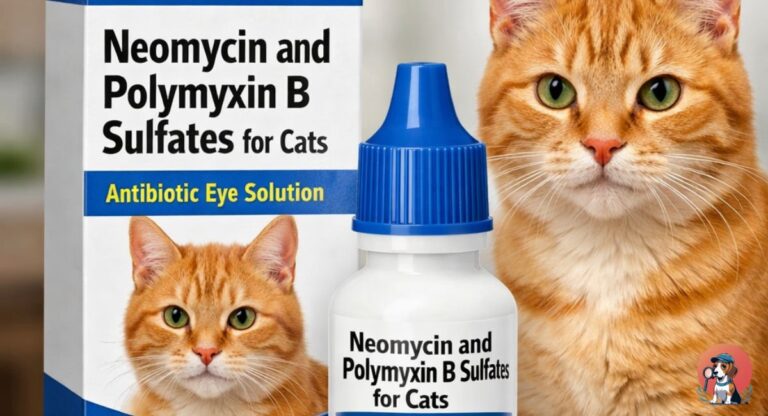
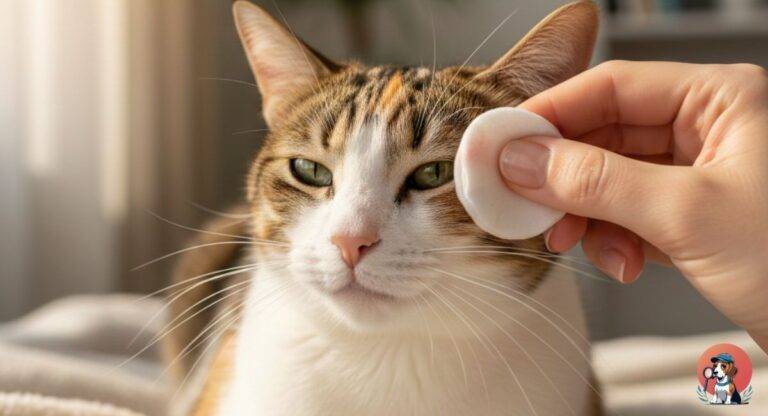
3. Gentle Eye and Nose Cleaning (When Needed)
Fever is sometimes accompanied by upper respiratory symptoms.
Gentle cleaning can improve comfort but does not treat infection.
Safe method:
-
Use warm sterile saline or clean water
-
Soft cotton or gauze
-
Wipe gently from the inner to the outer corner
-
Use a separate pad for each eye
This approach supports hygiene and comfort without interfering with natural healing.
4. Natural Antibiotics for Cats (Supportive Use Only)
Some natural options may support immune function but do not act as true antibiotics.
Veterinary-aligned supportive options:
-
Medical-grade Manuka honey in very small amounts (adult cats only)
-
L-lysine supplements, when recommended by a veterinarian
Essential oils, garlic, herbal extracts, and unverified remedies should be avoided due to toxicity risks.
Helpful Guidelines:
Benefits of Safe Home Care for Fever
Nutritional and Health Benefits
-
Helps maintain hydration status
-
Supports immune system function
-
Reduces stress-related complications
-
Improves overall comfort during illness
Veterinary consensus in 2025 supports early supportive care alongside monitoring to improve short-term comfort in mild cases.
Possible Risks or Side Effects
Improper home remedies can cause harm or delay necessary treatment.
Potential risks include:
-
Exposure to toxic substances
-
Masking symptoms of serious disease
-
Digestive upset from inappropriate foods
-
Increased stress from excessive handling
If symptoms worsen or new signs appear, home care should stop, and veterinary care should be sought.
Portion Size Guidelines (10% Treat Rule)
Supportive foods or liquids should follow the 10% rule.
Guideline:
-
Extras should not exceed 10% of daily caloric intake
-
Balanced commercial cat food should remain the primary diet
This approach reduces the risk of nutritional imbalance or digestive upset.
How to Prepare a Safe Home Remedy (Step-by-Step)
Simple Hydration Broth
-
Boil plain chicken or turkey in water
-
Do not add salt, onion, garlic, or spices
-
Strain and cool completely
-
Offer small amounts, one to two tablespoons at a time
Prepare fresh daily and discard unused portions after 24 hours.
Raw vs Cooked: What Is Safer During Fever?
| Factor | Raw | Cooked |
|---|---|---|
| Bacterial risk | Higher | Lower |
| Digestibility | Lower | Higher |
| Safety during illness | Not recommended | Recommended |
| Veterinary preference | Avoid | Preferred |
Modern veterinary standards consistently recommend cooked foods only for cats that are ill.
Can Cats Eat During a Fever?
Yes, cats may eat during a fever if they are willing and able.
Recommended options:
-
Warmed wet food to enhance aroma
-
Easily digestible meals
-
Small, frequent servings
A cat that refuses food for more than 24 hours should be evaluated by a veterinarian.
Can Senior Cats Use Home Remedies for Fever?
Senior cats require additional caution.
Older cats often have:
-
Reduced organ function
-
Chronic conditions
-
Lower tolerance for dehydration
Supportive home care for senior cats should be conservative and preferably discussed with a veterinarian.
Cats With Health Conditions: When to Avoid Home Remedies
Supportive home care may not be appropriate for cats with certain conditions.
Avoid at-home fever support without veterinary advice if your cat has:
-
Kidney disease
-
Diabetes
-
Heart disease
-
Immune-mediated disorders
-
Cancer
-
Recurrent or unexplained fever
These cats require professional medical assessment.
Signs of Intolerance or Emergency
Discontinue home care and seek veterinary help if you observe:
-
Persistent vomiting or diarrhea
-
Difficulty breathing
-
Collapse, seizures, or extreme weakness
-
Body temperature above 104°F
-
Fever lasting longer than 48 hours
These signs indicate a need for immediate medical attention.
Safe Alternatives to Home Remedies
Veterinary-Supervised Care Options
-
Cat-safe prescription medications
-
Diagnostic testing to identify the cause
-
Fluid therapy when needed
-
Targeted antimicrobial or antiviral treatment
Modern feline medicine emphasizes early evaluation to prevent complications.
FAQs: Home remedy for cat with fever
Q1. Can I give my cat human fever medicine?
No. Human medications are unsafe and potentially fatal for cats.
Q2. How long is a mild fever acceptable?
A mild fever may resolve within 24 to 48 hours. Longer durations require veterinary care.
Q3. Is fever always dangerous in cats?
Not always, but it always indicates an underlying issue that should be monitored.
Q4. Can home care cure a cat’s cold?
No. Supportive care improves comfort but does not cure infection.
Q5. Should I force my cat to drink fluids?
No. Forced fluids increase stress and aspiration risk.
Q6.Are home remedies safe for kittens?
Kittens with a fever should always be examined by a veterinarian.
Veterinary Disclaimer
This content is intended for educational purposes only and does not replace professional veterinary advice. Fever in cats can signal a wide range of medical conditions. If symptoms persist, worsen, or cause concern, consultation with a licensed veterinarian is essential.