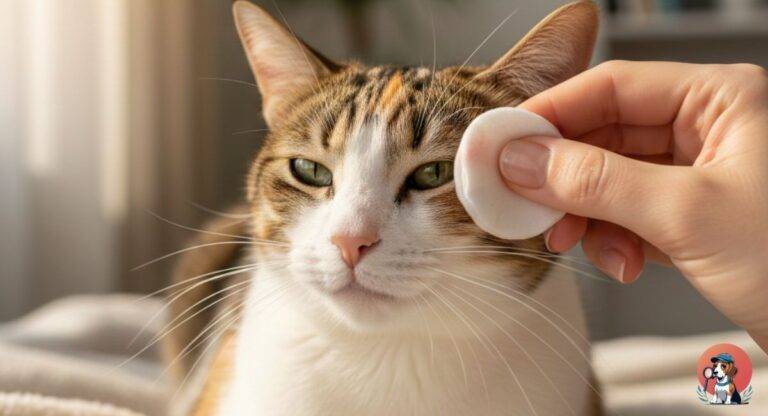
Your cat can appear to be scratching all the time, which will make you ask this question: How can I soothe my cat’s itchy skin? “Itchy skin is a common problem in cats,” says a pet expert, “and if left unchecked, it can lead to redness, hair loss, and infection.”
Learn More: Cat Eye Infection Remedy
How Can I Soothe My Cat’s Itchy Skin?
If your cat scratches constantly, it may be more than just a habit—it could signal irritation, allergies, or dry skin. How can I soothe my cat’s itchy skin? Start by identifying the cause, whether it’s fleas, food sensitivities, or environmental triggers. Simple steps like gentle grooming, moisturizing the skin, and adjusting their diet can provide relief. Observing your cat’s behavior, keeping their environment clean, and using safe natural remedies help reduce discomfort and support healthy, soft skin.
Understanding the Cause of Itching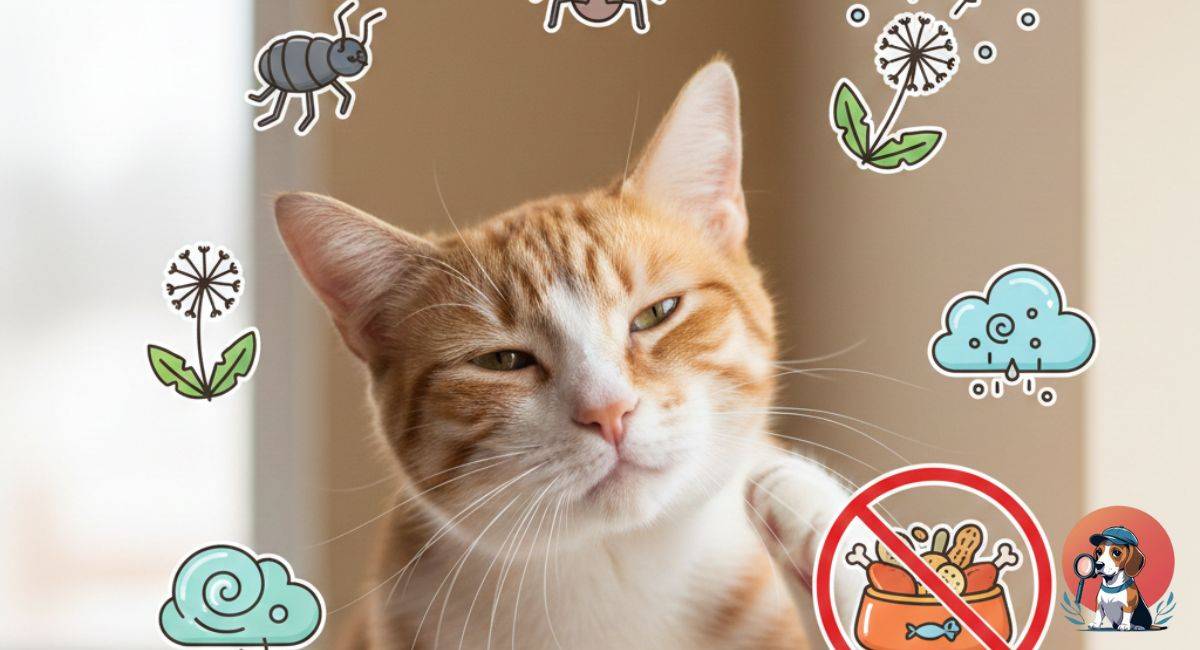
Cats can scratch because of fleas, mites, an allergic reaction, a fungal infection, or a food problem. Exposure to pollen, dander, or harsh cleaners in your environment can also make your cat’s skin irritable. Stress and grooming can be additional reasons for the agitation. To find a way to alleviate your cat’s itchy skin, you first need to establish the cause.
Bathing & Grooming
Daily grooming involves removing dirt, dead hair, and allergens from your cat’s fur. Use a gentle pet shampoo to prevent drying your cat’s skin. Brushing your cat can help promote your cat’s natural oil production. Bathtime bathing is not recommended, but can be performed if your vet advises you to do so.
Moisturizing the Skin
Dry skin leads to scratching. Vet-approved moisturizer sprays, aloe vera gel, or a small amount of coconut oil can help to soothe an irritated area. Hydrating your cat’s skin is a natural and safe way to treat the problem of how I soothe your cat’s itchy skin.
Fleas & Parasite Management
Fleas are among the common causative agents of itchy skin in cats. Use of flea products/controls is a very important key to keeping your cats itch-free. The bedding of your kitty will also have to be treated in order to prevent re-infestation.
Dietetic Support
A balanced diet promotes skin health and a healthy coat. Foods with a high content of omega-3 and omega-6 fatty acids lower inflammation and dryness. Immunity and chronic scratching can be alleviated with a healthy diet.
Environmental Adjustments
Allergens in the environment can aggravate scratching. Use air purifiers, control humidity in the apartment to keep it moderate, and keep the living space clean. Reducing stress through play activities, a predictable routine, and safe resting sites can also benefit skin health. Taking good care of the environment is part of how I can alleviate itchy skin in my cat.
Taking Medications When Needed
To alleviate serious itching, vet doctors can prescribe antihistamines, steroids, and shampoos. Humans can never use these drugs because they are meant for cats. Quickly, medical treatment can stop an infection and other complications.
Monitoring Progress
Record scratching frequency, skin appearance, and behavioral responses. Photographs can aid in observing improvements and setbacks. Recording these aspects will help ensure that all remedies and treatment approaches used are working as expected.
Preventive Measures
Preventive aspects include grooming, controlling fleas, a balanced diet, and dealing with stress. A checkup with a vet and vaccinations can prevent skin ailments from recurring. A preventive approach leads to permanent relief from itchy skin.
Cat Medicine for Itchy Skin
Treatment of itchy skin in dogs may involve drugs, which come in creams, sprays, or liquid form. They work to alleviate irritation, manage parasite infestations, and alleviate allergic reactions. However, these efforts can be most effective with veterinary recommendations, which include personal grooming practices.
Home Remedies for Itchy Skin in Cats
Some household remedies can be used to alleviate itching in mild cases. They include:
- Oatmeal baths for soothing irritation
- Aloe vera gel for inflamed areas
- Use of coconut oil in dry regions.
The above natural remedies are safe and can help in relieving itching and working on its cause.
Other Tips and Advice on Cat Itchy Skin
- Cut nails short to avoid damaging others by scratching
- Do not use harsh soap or detergent that dries the skin out.
- Keep up regular grooming practices
- Monitor for signs of infection, such as redness, pus, or drainage
- Offer mental stimulation to decrease stress-induced scratching.
A combination of taking care of the cat, natural remedies, medical advice, and changes in the environment can help you control how can I soothe my cats itchy skin and keep your cat healthy and happy.
FAQs
Q1. What causes my cat’s itchy skin?
Cats scratch due to various reasons such as fleas, mites, allergies, fungal infections, or poor diet. Environmental factors like dust, pollen, and cleaning chemicals can also trigger irritation. Identifying the cause is the first step in learning how can I soothe my cats itchy skin effectively.
Q2. How often should I groom my cat to reduce itching?
Regular grooming is essential to remove dead hair, dirt, and allergens. Brushing a few times a week and occasional baths with cat-safe shampoos help maintain skin health and prevent scratching.
Q3. Can dry skin make my cat scratch more?
Yes, dry or flaky skin can intensify scratching. Using vet-approved moisturizing sprays, coconut oil, or aloe vera can soothe irritation and help manage how can I soothe my cats itchy skin naturally.
Q4. How do I manage fleas and parasites that cause itching?
Fleas, ticks, and mites are leading causes of cat itching. Regular flea treatments, collars, topical solutions, and cleaning your cat’s bedding are essential steps. Controlling parasites reduces discomfort and prevents infections.
Q5. What role does diet play in reducing itchy skin in cats?
Nutrition is vital. Foods rich in omega-3 and omega-6 fatty acids reduce inflammation and promote a healthy coat. Supplements like fish oil strengthen immunity and support long-term relief from chronic itchiness.
Q6. When should I use medications for itchy skin in cats?
If scratching is severe or persistent, veterinarians may recommend antihistamines, corticosteroids, or medicated shampoos to alleviate the condition. Always follow veterinary guidance and avoid human medications to safely manage your cat’s itchy skin.
Q7. Are there home remedies that can help my cat’s itchy skin?
Yes, mild cases can be relieved using oatmeal baths, aloe vera gel, or gentle coconut oil applications. These remedies are safe and help calm irritation while addressing the root cause of itching.
Q8. How can I prevent itchy skin problems in my cat?
Preventive care includes regular grooming, flea control, a balanced diet, stress reduction, and routine vet visits. Maintaining a clean environment and observing your cat for early signs of irritation ensures long-term relief from itchy skin.