How long is a cat pregnant is a question most cat owners search for when they notice their queen showing unusual behaviors. On average, the feline gestation period lasts 63–65 days, giving you around nine weeks to prepare. During this journey, owners also want to know how soon after giving birth a cat can get pregnant or what time of the year do cats have kittens. These concerns connect pregnancy with the full reproductive cycle. By understanding the complete cat pregnancy timeline, you can provide better care, anticipate changes, and welcome healthy kittens with confidence.
How long is a cat pregnant is more than a countdown—it’s a journey filled with important stages that require attention. Early signs, such as appetite changes and affectionate behavior, are often followed by belly growth around week four and nesting by week seven. At the same time, many owners ask, ‘How long are cats in heat?’ or ‘When do cats stop growing?’ as these details shape long-term feline health. By linking pregnancy care with growth and heat cycles, you ensure your queen stays healthy, stress-free, and ready for motherhood in the safest way possible.
How long is a cat pregnant also connects to litter size and overall reproductive health. Cat owners often ask How many kittens are in a litter, since the number can slightly affect the pregnancy length. Smaller litters may extend the gestation period, while larger ones may arrive earlier. Using a reliable cat age chart helps you plan not only for pregnancy but also for your cat’s overall growth and care. With this knowledge, you can reduce risks, improve nutrition, and support both mother and kittens throughout every stage of pregnancy and beyond.
How long is a cat pregnant highlights the responsibility of cat ownership. Pregnancy duration may vary depending on age, breed, and health, making preparation vital. Understanding topics like ‘How soon after giving birth can a cat get pregnant?’ and ‘What time of the year do cats have kittens?’ gives owners the tools to plan responsibly. Combined with awareness of heat cycles, litter sizes, and growth patterns, this knowledge builds confidence. By preparing your home, ensuring regular vet visits, and providing safe care, you create the optimal environment for your queen to enjoy a healthy pregnancy and motherhood.
1. Average Cat Gestation Period
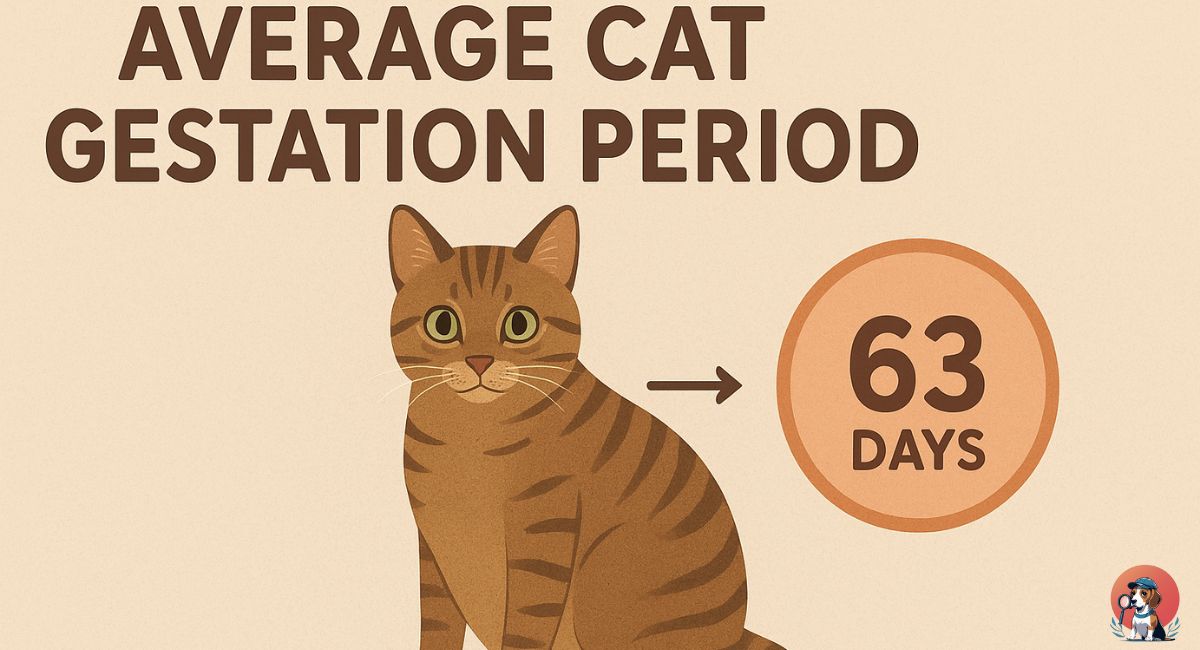 How long a cat is usually pregnant averages about 63–65 days, which equals just over 9 weeks. Most cats give birth within this range, though some may deliver slightly earlier, around 60 days, while others can carry up to 72 days. Factors such as breed, age, and overall health influence the exact length of pregnancy. Indoor cats living in calm, stable environments often follow the standard gestation timeline, while outdoor cats or first-time mothers may experience small variations. Understanding this range allows owners to prepare properly, monitor signs closely, and ensure the mother receives the best possible care.
Key Facts (Gestation Period)
- Average duration: 63–65 days
- Range: 60–72 days
- Larger litters may shorten pregnancy length
- Smaller litters may extend it
- Breed differences influence timing
- Stress can impact duration
- Nutrition affects healthy development
- Indoor cats often follow average timelines
- Outdoor cats may vary more
- Regular vet care confirms accurate timing
2. Early Signs of Cat Pregnancy
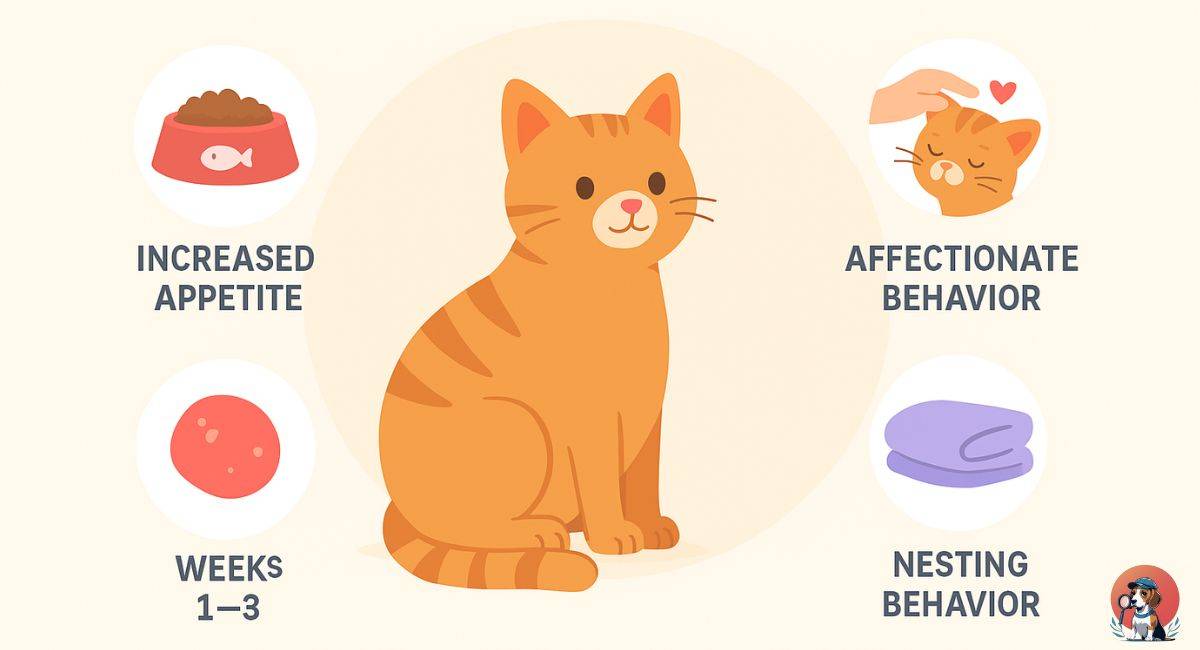 How long is a cat pregnant before showing signs usually depends on the individual cat, but most begin displaying noticeable changes around 2–3 weeks after conception. One of the earliest indicators is “pinking up,” where the nipples enlarge and turn a darker pink shade. Increased appetite, affectionate behavior, and mild nesting tendencies may also appear during this stage. Some cats become more relaxed, while others demand extra attention and comfort. Recognizing these early cat pregnancy signs allows owners to confirm the pregnancy sooner, adjust nutrition, and provide the right care for a healthy feline gestation journey.
Key Facts (Early Signs)
- Nipples swell and turn pink around 2–3 weeks
- Appetite often increases
- Belly growth is noticeable by week 4
- Behavioral changes may appear
- Nesting behavior starts later
- Cats may sleep more
- Some cats become more affectionate
- Weight gain is common
- Vomiting may occur like morning sickness
- Vet ultrasound confirms pregnancy around day 21
3. Stages of Cat Pregnancy (Week by Week)
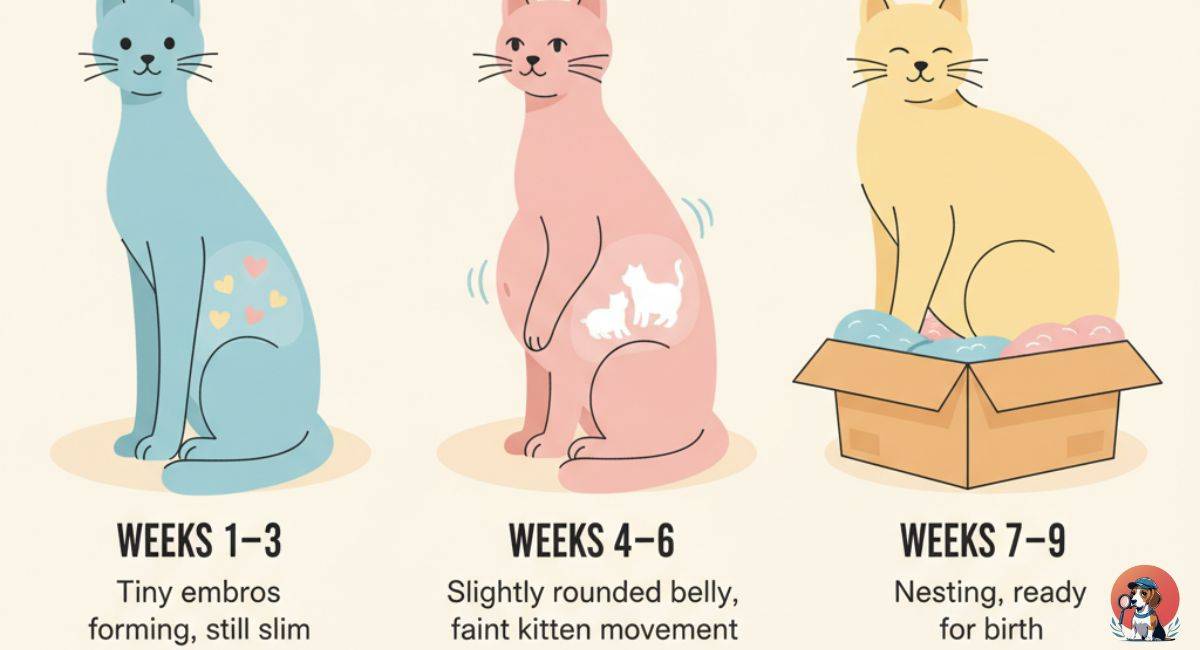 How long is a cat pregnant depends on the stages her body goes through, with each week bringing important changes. During weeks 1–3, fertilization occurs and embryos begin to develop, though signs may be subtle. By weeks 4–6, the belly grows rounder, nipples enlarge, and gentle kitten movements may be detected. In weeks 7–9, your cat shows nesting behavior, rests more, and prepares for labor. Understanding this week-by-week cat pregnancy timeline helps owners adjust diet, provide comfort, and schedule vet visits. Tracking each stage ensures your queen receives proper care for a safe and healthy delivery.
Key Facts (Stages)
- Weeks 1–3: Embryo development
- Weeks 4–5: Nipples enlarge
- Week 6: Belly growth visible
- Week 7: Kittens move inside
- Week 8: Nesting behavior starts
- Week 9: Labor signs appear
- Appetite changes across stages
- Hormonal shifts affect mood
- Weight gain increases steadily
- Vet visits confirm progress
4. Preparing Your Cat for Birth
How long is a cat pregnant before giving birth is an important detail for every owner, as proper preparation ensures a smooth delivery. Around weeks 7–9, most cats begin nesting behaviors, so it’s best to create a warm, quiet area with soft blankets or towels. Place food, water, and a litter box nearby for comfort, and introduce her to this nesting space early so she feels safe. Reducing stress, limiting loud noises, and providing gentle attention all help your queen remain calm. Preparing in advance prevents last-minute challenges and supports a safe, healthy birthing process for mother and kittens.
Key Facts (Preparation)
- Provide a nesting box
- Use clean, soft blankets
- Keep the box in a quiet space
- Introduce the box early
- Limit household noise
- Keep food nearby
- Provide fresh water
- Reduce stress and handling
- Ensure warmth in the room
- Vet phone number ready
5. Nutrition During Pregnancy
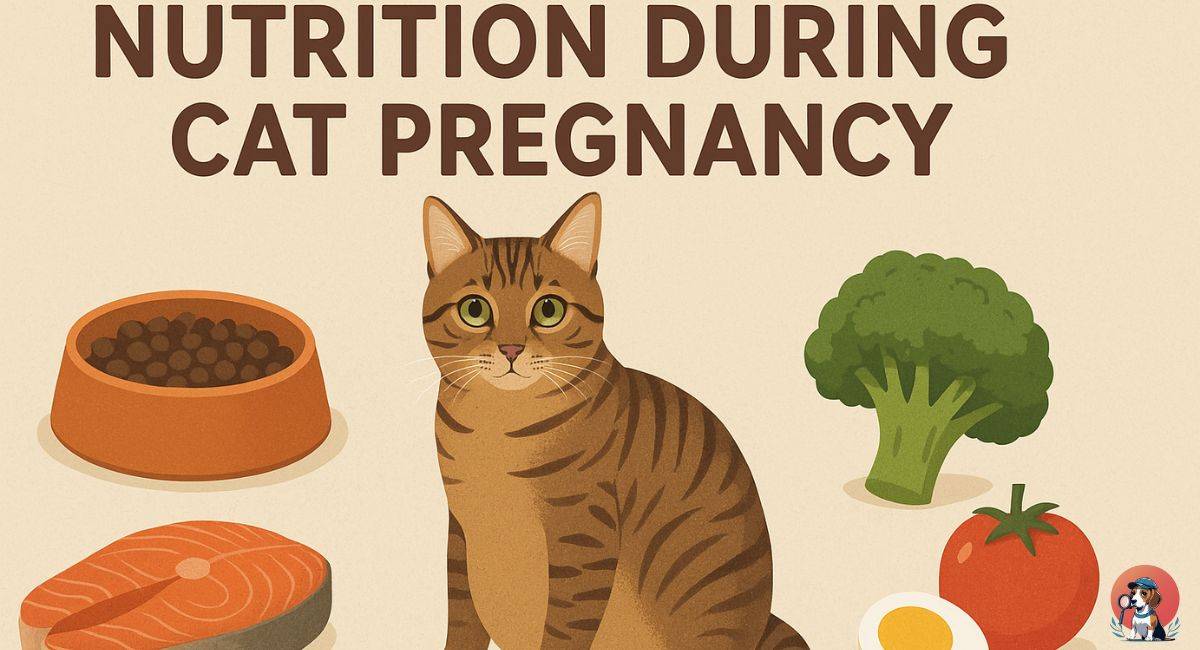 How long is a cat pregnant also influences her nutritional needs. A pregnant cat requires a high-protein, calorie-dense diet to support the growth of her kittens. Many vets recommend switching to kitten food, as it provides the right balance of nutrients for both the mother and her litter. Since the expanding belly reduces stomach capacity, divide meals into smaller, frequent portions throughout the day. Proper feeding ensures strong development, prevents weakness, and makes labor less stressful. Meeting her nutrition requirements during pregnancy is one of the best ways to ensure a safe delivery and healthy, thriving kittens.
Key Facts (Nutrition)
- Feed kitten food for higher protein
- Divide meals into smaller portions
- Ensure fresh water always
- Avoid raw food risks
- Add supplements only if the vet approves
- Omega-3s support development
- Calcium strengthens bones
- Iron prevents anemia
- Weight gain should be steady
- Overfeeding leads to complications
6. Veterinary Care for Pregnant Cats
How long is a cat pregnant before seeing a vet? Ideally, a checkup should happen early in the pregnancy. A veterinarian can confirm pregnancy, estimate the due date, and detect any potential complications. Depending on timing, your vet may recommend ultrasounds, parasite treatments, or updated vaccines to protect both the mother and kittens. Regular visits also help track development and keep your cat in the best health throughout all stages of pregnancy. Veterinary care prepares you for labor signs, reduces risks, and ensures your cat receives the safest, most supportive care during this important period.
Key Facts (Vet Care)
- Schedule a vet visit by week 3
- Ultrasound confirms pregnancy
- X-rays confirm litter size later
- Parasite prevention may be needed
- Vaccines may be adjusted
- Monitor weight gain at visits
- Discuss spaying after litter
- Ask about diet changes
- Report any unusual symptoms
- Emergency vet access is vital
7. How Soon After Giving Birth Can a Cat Get Pregnant
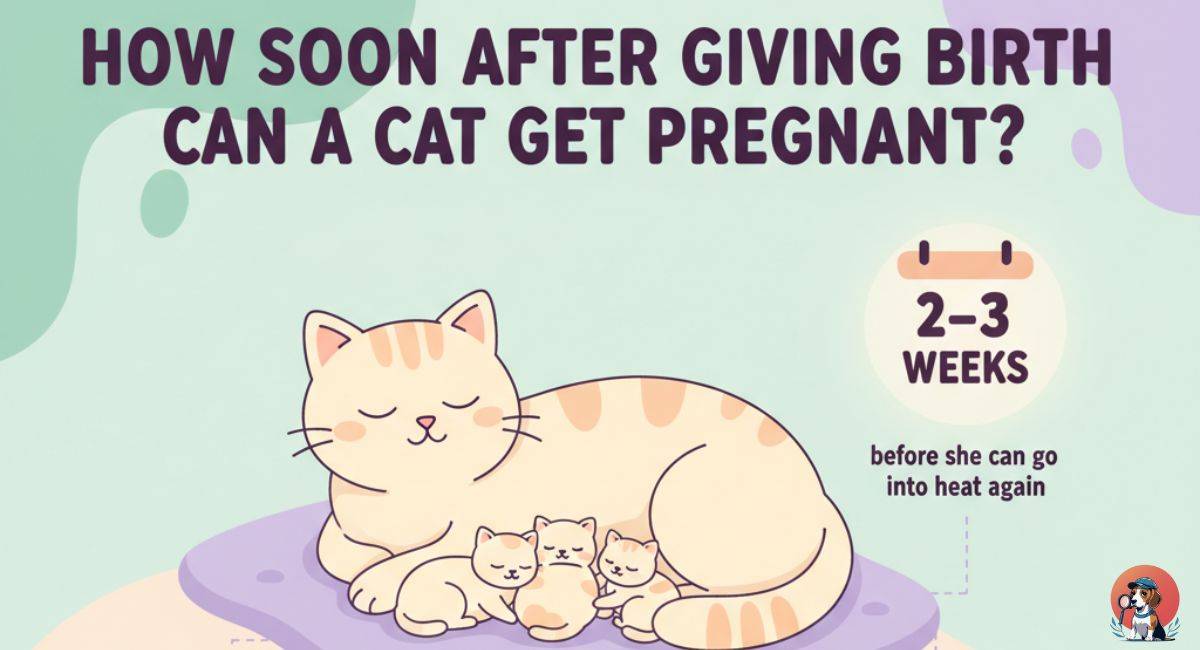 How long is a cat pregnant doesn’t end the story, because cats can return to heat surprisingly fast. Many owners wonder, How soon after giving birth can a cat get pregnant again? The answer is just 2–3 weeks after delivery, even while she is still nursing her kittens. This rapid fertility can put serious strain on the mother, as back-to-back pregnancies weaken her body and reduce the chances of healthy kittens. To protect her well-being, spaying is strongly recommended if future litters are not planned. Preventing quick repeat pregnancies ensures a healthier, longer life for your cat.
Key Facts (Post-Birth Fertility)
- Heat cycle returns in 2–3 weeks
- Nursing doesn’t prevent heat
- Cats can get pregnant while nursing
- Early pregnancy strains the mother
- Spaying prevents back-to-back litters
- Pregnancy too soon reduces kitten health
- Indoor cats are at risk if males are present
- Consult a vet about safe timing
- A healthy gap between litters is vital
- Overbreeding can shorten lifespan
8. What Time of the Year Do Cats Have Kittens
How long is a cat pregnant also connects directly to the breeding season. Cats are seasonal breeders, with fertility peaking in spring and summer, when daylight hours are longer. Outdoor cats usually follow this natural cycle, meaning most kittens are born between April and September. However, indoor cats exposed to artificial light may cycle and breed year-round, making kitten births less predictable. Understanding what time of the year do cats have kittens helps owners anticipate pregnancies and prepare ahead. Knowing seasonal patterns ensures you’re ready with proper nutrition, safe nesting areas, and veterinary care when kittens are expected.
Key Facts (Breeding Season)
- Most active in spring
- Summer also common
- Longer daylight triggers heat
- Indoor cats breed year-round
- Outdoor cats follow natural cycles
- Breeding peaks March–September
- Winter breeding is rare outdoors
- Hormones respond to light
- Indoor lighting can trigger heat
- Season affects litter numbers
9. How Long Are Cats in Heat
How long is a cat pregnant often depends on her heat cycles. Female cats usually enter heat every 2–3 weeks during the breeding season if not spayed. How long are cats in heat? On average, each cycle lasts about 7 days, though it can range from 2 to 10 days. During this time, cats display noticeable behaviors like loud meowing, rolling, increased affection, and restlessness. If mating occurs, pregnancy follows quickly; if not, the cycle repeats. Understanding heat cycles is essential for preventing unwanted litters, planning breeding responsibly, or deciding when spaying is the best choice for your cat.
Key Facts (Heat Cycles)
- Heat lasts 5–7 days
- Cycles repeat every 2–3 weeks
- Loud vocalizing is common
- Cats roll on the floor
- Increased affection noticeable
- Appetite may decrease
- Spraying behavior may appear
- Restlessness is frequent
- Heat cycles can overlap
- Spaying ends heat cycles permanently
10. When Do Cats Stop Growing
How long is a cat pregnant is often compared with a cat’s growth milestones. Most cats reach full physical maturity by 12 months, though their personality may still develop. When do cats stop growing? Smaller breeds typically stop around one year, while larger breeds like Maine Coons may continue growing until 2–4 years of age. Knowing growth patterns is important for responsible breeding, as cats should not be bred too early. Understanding size, maturity, and development also helps owners provide proper nutrition, healthcare, and exercise, ensuring a healthy transition from kittenhood to adulthood.
Key Facts (Growth)
- Most stop growing by 12 months
- Larger breeds grow until 2–4 years
- Nutrition affects growth speed
- Neutering doesn’t stop growth
- Indoor cats may gain weight after growth
- Genetics determines size
- Males are often larger than females
- Growth affects breeding readiness
- Early spaying/neutering is safe for growth
- Regular checkups track growth
11. How Many Kittens Are in a Litter
How long is a cat pregnant also influences the number of kittens born. On average, most cats give birth to 4–6 kittens, but the range can vary widely from just 1 to as many as 12. How many kittens are in a litter depends on factors like breed, age, and overall health. For example, younger or first-time mothers may have smaller litters, while experienced queens often deliver larger ones. Interestingly, larger litters are linked to slightly shorter pregnancies, while smaller litters may extend the gestation period. Knowing this helps owners prepare for both the care and space required.
Key Facts (Litters)
- Average litter: 4–6 kittens
- Small litters may extend pregnancy
- Large litters may shorten pregnancy
- Breed influences litter size
- First litters may be smaller
- Older cats may have fewer kittens
- Nutrition impacts litter health
- Genetics plays a role
- Indoor vs outdoor cats differ
- Healthier mothers have healthier litters
12. Cat Age Chart
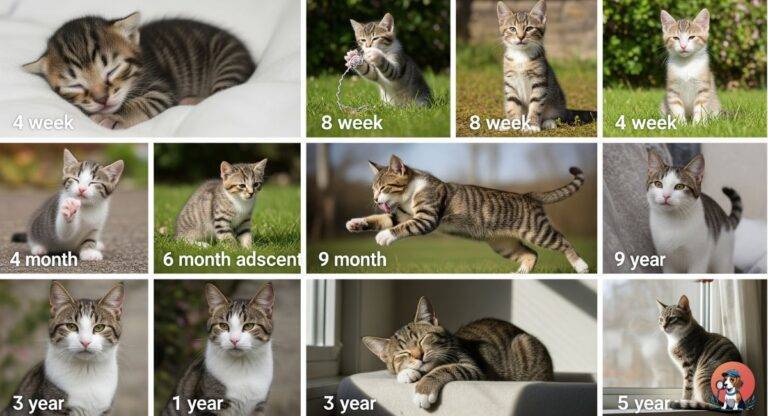
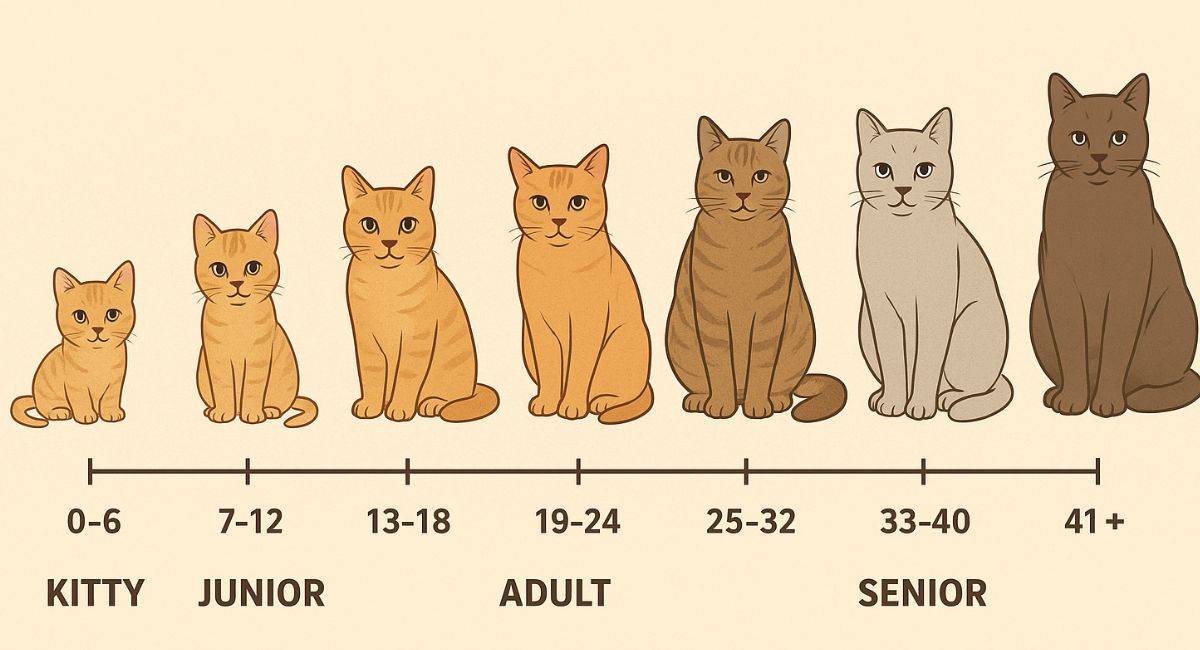 How long is a cat pregnant also relates closely to her age and breeding readiness. While many cats reach sexual maturity by 6 months, responsible breeding should factor in overall health and age to ensure safe pregnancies. Younger cats may face higher risks, while mature cats handle the process more smoothly. To guide owners, a cat age chart is useful for understanding life stages—from kittenhood and adolescence to adulthood and senior years. This chart not only supports breeding decisions but also helps plan nutrition, healthcare, and long-term wellness for your cat at every stage of life.
Cat Age Chart
- Kitten: 0–6 months
- Junior: 7 months–2 years
- Prime: 3–6 years
- Mature: 7–10 years
- Senior: 11–14 years
- Geriatric: 15+ years
Key Facts (Age & Pregnancy)
- Sexual maturity by 6 months
- Ideal breeding age: 1–5 years
- Older cats risk complications
- Young kittens should not breed
- Spaying prevents unwanted litters
- Senior cats rarely get pregnant
- Growth continues until 12 months
- Larger breeds grow longer
- Health checks are needed at all stages
- Age affects fertility cycles
FAQs
How long is a cat pregnant on average?
How long is a cat pregnant on average is about 63–65 days (9 weeks). Some cats may deliver as early as 60 days or as late as 72. Breed, health, and litter size influence the pregnancy length.
How long is a cat pregnant before showing signs?
How long is a cat pregnant before signs show is usually 2–3 weeks. Pink nipples, appetite changes, and belly growth by week 4 are key indicators. Kitten movement follows later in the pregnancy.
How long is a cat pregnant before nesting behavior begins?
How long is a cat pregnant before nesting is around week 7. Cats start searching for quiet spots, carrying blankets, and preparing safe spaces. Nesting is one of the final stages before labor.
How long is a cat pregnant before kittens move?
How long is a cat pregnant before kittens move is after 5 weeks. Gentle belly touches may reveal movement, which becomes stronger each week. This signals healthy kitten development inside the womb.
How long is a cat pregnant in weeks vs days?
How long is a cat pregnant is about 9 weeks or 63–65 days. This measurement helps predict due dates and guide care. Slight variations are normal depending on the cat’s health and breed.
How long is a cat pregnant before labor signs?
How long is a cat pregnant before labor signs is near week 9. Restlessness, decreased appetite, and vocalization are clear signals. A drop in body temperature also means labor is close.
How long is a cat pregnant before birth complications may arise?
How long is a cat pregnant before complications is uncertain, but beyond 70 days needs vet care. Extended gestation may signal health risks. Timely checkups help prevent serious pregnancy issues.
How long is a cat pregnant with a small litter?
How long is a cat pregnant with a small litter can be slightly longer. Fewer embryos may delay labor, especially in older or first-time mothers. Litter size directly affects the pregnancy timeline.
How long is a cat pregnant if she’s older?
How long is a cat pregnant in older cats is similar (63–65 days). However, older queens face higher risks like weak contractions. They often carry fewer kittens and need closer monitoring.
How long is a cat pregnant before needing vet visits?
How long is a cat pregnant before vet visits is ideally early in pregnancy. Regular checkups near the end are also essential. This ensures safe delivery and healthy kittens
Conclusion
How long is a cat pregnant is not just a question of time; it represents a complete journey of growth and care. The average gestation period in cats is around 63–65 days, during which pet owners need to stay attentive to physical and behavioral changes. Recognizing cat pregnancy stages, such as appetite shifts, nesting behavior, and physical enlargement, allows for better preparation. Providing balanced cat pregnancy care through nutrition, hydration, and regular vet visits ensures healthy development. A safe, stress-free environment also plays a key role in supporting the feline pregnancy timeline, leading to strong, healthy kittens at birth.
Understanding How long is a cat pregnant also connects with wider knowledge of cat reproduction and overall feline health. Heat cycles, breeding patterns, and fertility windows influence how easily a cat conceives and carries kittens. By learning about the stages of the gestation period in cats, owners can anticipate important milestones and prepare early. Offering nutrient-rich meals, clean bedding, and gentle monitoring strengthens the cat’s well-being throughout pregnancy. Proper cat pregnancy care not only prevents complications but also supports a smooth delivery, ensuring both mother and kittens thrive in a safe and nurturing environment.
Ultimately, How long is a cat pregnant highlights the importance of responsible pet ownership and preparation. A clear understanding of cat pregnancy stages helps owners reduce risks, recognize warning signs, and encourage safe motherhood. This awareness also supports decisions around breeding control, including spaying to prevent unwanted pregnancies. By committing to proper cat pregnancy care and building knowledge of the feline pregnancy timeline, owners enhance the health and happiness of their pets. Mastering this essential topic strengthens your role as a caring, informed, and responsible cat owner who values both mother and kittens.