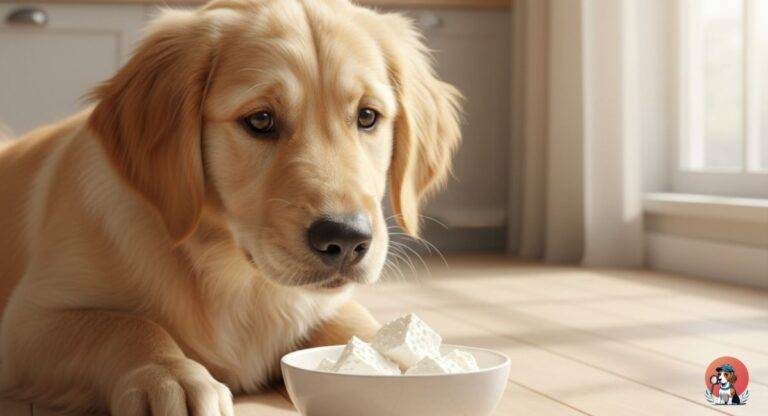
Dogs often lick their paws, but excessive licking can be uncomfortable or even harmful. You can stop this behavior using simple home remedies like warm salt water soaks, diluted apple cider vinegar, coconut oil, baking soda paste, and chamomile or green tea soaks. Persistent licking may indicate allergies, infections, or anxiety, so monitoring your dog is essential.
Dogs lick their paws to clean, soothe, or relieve itchiness. To safely stop paw licking at home, use gentle remedies like warm salt water soaks, diluted apple cider vinegar, coconut oil, or chamomile tea. Monitor your dog closely, and seek veterinary care if licking is constant, causes sores, or shows signs of infection. These remedies support healing while keeping your dog safe.
Introduction
Paw licking is a common behavior in dogs, often seen as them grooming themselves or reacting to irritation. Definition: Paw licking in dogs is the repetitive licking or chewing of their paw pads or toes, often triggered by irritation, dryness, or stress.
People look for home remedies because they want a safe, natural way to soothe their dog’s paws without harsh chemicals. While occasional licking is normal, persistent or intense licking may require attention.
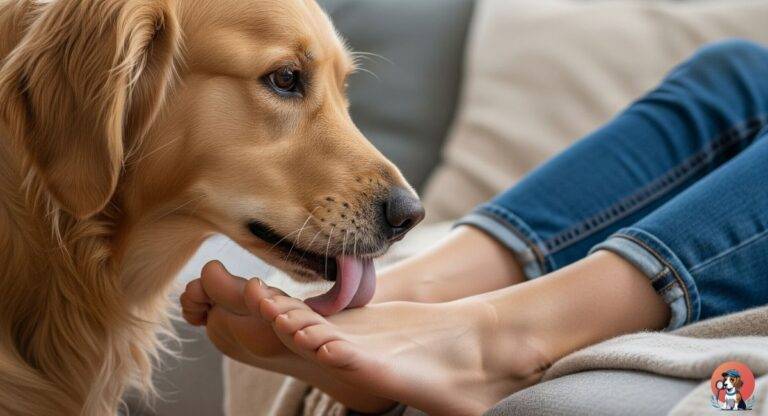
Some dogs may also lick your feet, which is usually harmless and a sign of affection, but owners often ask, “Is it bad for your dog to lick your feet?” Generally, this behavior is not harmful unless the dog has open sores on their mouth or paws.
Why Do Dogs Lick Their Paws?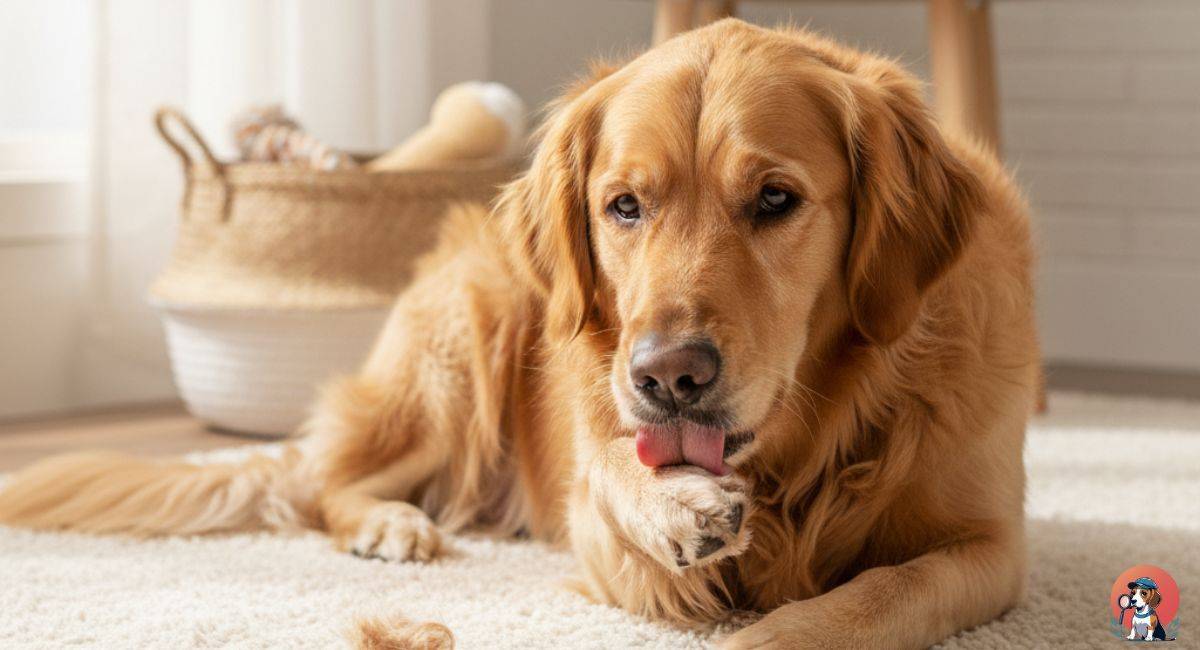
Dogs lick their paws for both physical and emotional reasons. Understanding the cause helps treat it effectively. Common reasons include:
-
Allergies: Dogs may react to food, pollen, dust, or chemicals.
-
Cuts or injuries: Paw injuries are often licked to clean and soothe wounds.
-
Dry or cracked paws: Lack of moisture can cause itching.
-
Anxiety or boredom: Licking can be a self-soothing behavior.
-
Fungal or bacterial infections: Licking may indicate infection, often accompanied by odor or redness.
Medical note: Some pet owners worry that paw licking signals diabetes, but licking alone is not a reliable sign. Watch for additional symptoms such as increased thirst, frequent urination, weight changes, or lethargy, which should prompt a veterinary checkup.
Is Paw Licking Normal or a Problem?
Paw licking is normal in small amounts, such as after a walk or when cleaning dirt. However, it becomes a problem if:
-
The dog licks constantly or obsessively
-
Paws appear red, swollen, or have sores
-
There is a foul odor
-
Your dog shows signs of discomfort or limping
Excessive licking can lead to skin irritation or infection, so monitoring is important.
How to Stop a Dog From Licking Paws Naturally (Home Remedies)
Here are effective home remedies for safe paw care:
Warm Salt Water Soak
-
Preparation: Mix 1 tablespoon of salt in a cup of warm water.
-
How to Use: Soak your dog’s paw for 5–10 minutes.
-
Frequency: 2–3 times a week, especially for minor cuts or itching.
Salt water soaks help clean wounds and reduce bacteria, promoting healing.
Apple Cider Vinegar (Diluted)
-
Dilution Ratio: Mix 50% apple cider vinegar with 50% water.
-
Application: Spray or wipe on paws, avoiding open sores.
-
Caution: Do not use on bleeding or raw skin, as it may sting.
Apple cider vinegar has antimicrobial properties, reducing infection and odor.
Coconut Oil
-
Benefits: Moisturizes dry, cracked paws and soothes irritation.
-
Application: Rub a thin layer on your dog’s paw pads.
-
Safety: Safe if licked in small amounts, but avoid overuse to prevent stomach upset.
Coconut oil also has antibacterial and antifungal effects.
Baking Soda Paste
-
Preparation: Mix baking soda with water to form a paste.
-
Application: Apply lightly to itchy areas for a few minutes, then rinse.
-
Use: Short-term relief only. Avoid frequent use, as baking soda can irritate sensitive skin.
Baking soda helps neutralize odors and soothe mild irritation.
Chamomile or Green Tea Soak
-
Preparation: Brew chamomile or green tea, let it cool.
-
Application: Soak paws for 5–10 minutes.
-
Effect: Calms inflamed or itchy paws naturally.
Comparison Table: Common Paw Licking Causes and Home Remedies
| Cause of Paw Licking | Recommended Home Remedy |
|---|---|
| Dry or cracked paws | Coconut oil |
| Minor cuts or abrasions | Warm salt water soak |
| Itchy paws from allergies | Diluted apple cider vinegar |
| Mild irritation or itching | Baking soda paste |
| Anxiety or mild inflammation | Chamomile or green tea soak |
How to Stop Paw Licking Caused by Allergies
-
Food Allergy Signs: Vomiting, diarrhea, itchy skin, and constant paw licking.
-
Environmental Triggers: Pollen, dust mites, mold, or grass.
-
Home Care Tips:
-
Bathe with hypoallergenic shampoo
-
Wipe paws after walks
-
Avoid known allergens when possible
-
Managing allergies reduces chronic paw licking and discomfort.
How to Stop Paw Licking from Anxiety or Boredom
-
Exercise: Regular walks, playtime, and active outings
-
Mental Stimulation: Puzzle toys, obedience training, or treat games
-
Routine & Attention: A predictable schedule and time with your dog reduces stress
Licking due to anxiety is behavioral, so combining remedies with enrichment is key.
What Not to Put on Dog Paws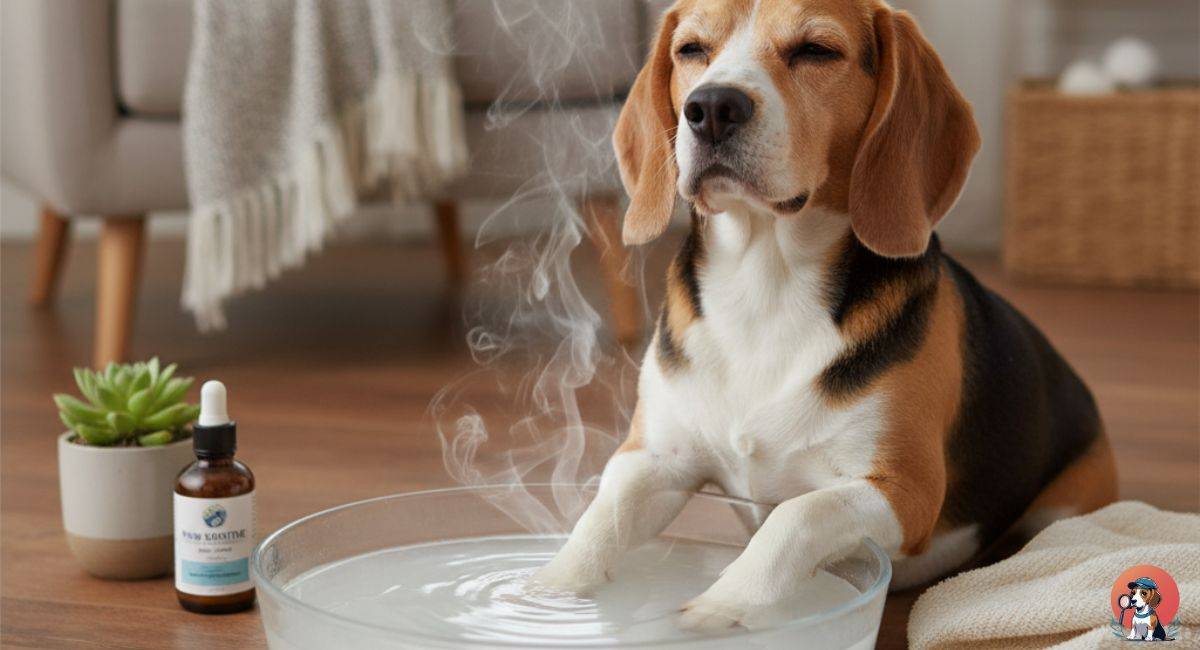
-
Human creams or lotions: Often contain harmful chemicals
-
Essential oils: Can be toxic to dogs
-
Harsh disinfectants: Irritate skin and worsen licking
Stick to dog-safe, natural remedies.
When to See a Vet
Visit a veterinarian if paw licking is accompanied by:
-
Redness, swelling, or bleeding
-
Open sores or pus
-
Bad odor from paws
-
Limping or obvious pain
These signs may indicate infection or a more serious health problem.
How to Prevent Paw Licking in the Future
-
Regular Paw Cleaning: Wash after walks or exposure to irritants
-
Healthy Diet: Supports skin and coat health
-
Proper Grooming: Keep nails trimmed and fur between pads clean
-
Allergy Management: Identify triggers and reduce exposure
Preventive care reduces chronic paw licking and improves your dog’s comfort.
See Also:
FAQS
Q:1 Is it normal for dogs to lick their paws?
Occasional paw licking is normal for grooming or cleaning. Constant licking may indicate irritation, dryness, or boredom.
Q:2 How long do home remedies take to stop paw licking?
Mild cases may improve in a few days with consistent home care. Allergy-related or persistent licking can take 1–2 weeks.
Q:3 Are coconut oil and apple cider vinegar safe for dog paws?
Yes, small amounts are safe and soothing for paws. Avoid vinegar on open wounds and limit coconut oil ingestion.
Q:4 Can allergies cause my dog to lick its paws?
Yes, food or environmental allergies can trigger paw licking. Cleaning paws and reducing allergens helps relieve irritation.
Q:5 How does anxiety or boredom cause paw licking?
Dogs lick paws to self-soothe when stressed or bored. Exercise, mental stimulation, and routine reduce this behavior.
Q:6 Is it bad for my dog to lick my feet?
No, it’s usually harmless and shows affection. Ensure your feet are clean and discourage licking if your dog has sores.
Q:7 When should paw licking be a health concern?
See a vet if licking causes redness, swelling, sores, or limping. Licking alone doesn’t mean diabetes, but watch for other warning signs.
Conclusion
Excessive paw licking in dogs can be managed safely at home using natural remedies such as warm salt water soaks, apple cider vinegar, coconut oil, and chamomile tea. While home care is effective for minor cases, persistent or severe licking should be checked by a vet. In my experience caring for dogs, I have observed that consistent preventive care and gentle home remedies can dramatically reduce paw licking and keep dogs happier and healthier. Combining remedies with proper diet, grooming, and enrichment ensures long-term paw health and comfort.