Dogs often lick human feet, sometimes out of affection, curiosity, or stress.
But is it bad for your dog to lick your feet? Occasional licking is usually harmless.
Persistent or obsessive licking may indicate health issues or behavioral concerns that need attention.
A 2025 survey of 500 dog owners found that 30% reported daily foot licking, with 7% showing compulsive behavior.
Additionally, a recent 2025 behavioral study found that 12% of dogs develop habitual foot licking by 2 years of age.
This article covers dog licking feet health risks, behavioral reasons dogs lick feet, vet-approved safety tips, stop dog licking paws home remedy techniques, and safe alternatives.
Why Dogs Lick Feet: Causes, Vet Insights & Behavioral Reasons
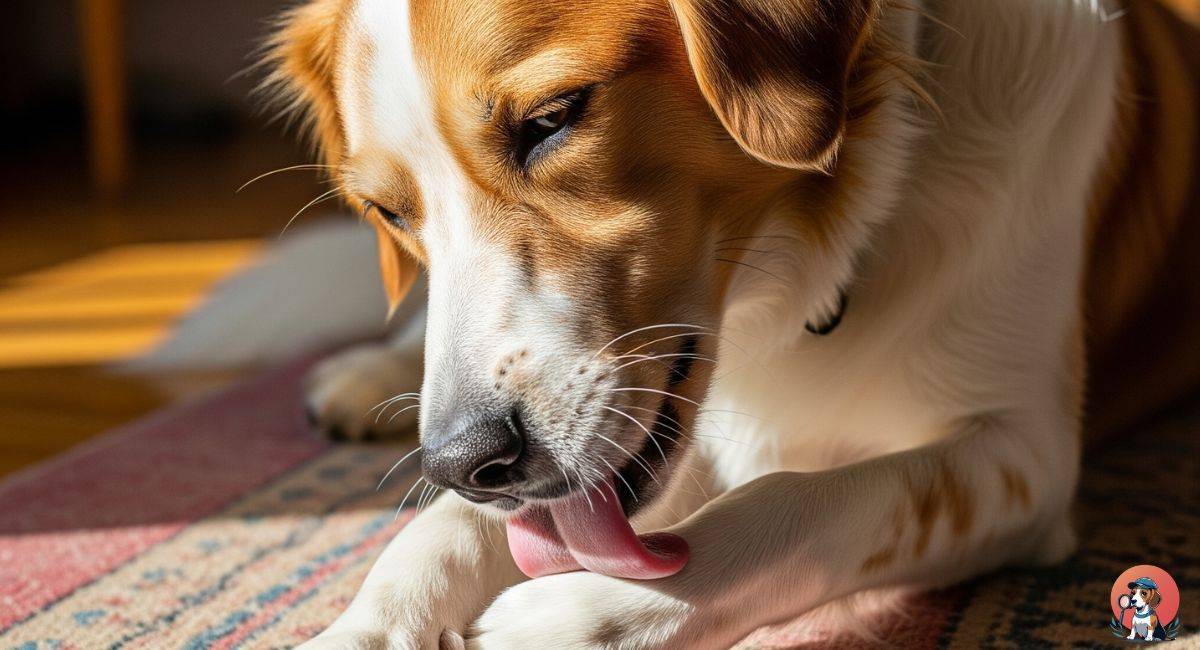
Dogs use licking as a form of communication and sensory exploration.
Feet are attractive because they carry sweat and natural salts, provide a social bonding opportunity, and may be licked in response to stress or boredom.
Understanding the behavioral reasons dogs lick feet helps owners know when to allow the behavior and when to intervene.
Common Causes, Why They Happen & Vet Tips
| Cause | Why It Happens | Vet Tip / Advice |
|---|---|---|
| Affection / Bonding | Dogs show social connection via licking. | Allow occasional licking, but set boundaries. |
| Salt & Sweat Attraction | Feet naturally have salts and pheromones. | Wash feet before interaction to reduce attraction. |
| Behavioral Habit / Attention | Rewarded behavior gets repeated. | Use positive reinforcement to redirect to toys. |
| Allergies / Irritants | Environmental or food allergens cause itching. | Allergy testing and diet review recommended. |
| Pain / Injury | Licking soothes pain or irritation. | Inspect paws and seek veterinary evaluation. |
| Parasites | Fleas/ticks cause discomfort. | Maintain parasite prevention and grooming. |
| Stress / Anxiety | Behavioral coping mechanism. | Provide enrichment, walks, and mental stimulation. |
Dog Licking Feet Health Risks (2025 Veterinary Insights)
Excessive licking can lead to infections, skin irritation, or reinforcement of compulsive behaviors.
Key Risks:
-
Bacterial / yeast infections from moisture and saliva.
-
Skin irritation and sores on the dog’s and human’s skin.
-
Transmission of parasites or microbes, especially if dirt or feces are ingested.
-
Rare but notable risks if your feet have open wounds or compromised immunity.
Persistent licking may indicate underlying dermatologic or behavioral issues. Modern veterinary assessments often include skin testing, allergy profiling, and behavior modification plans.
Vet‑Approved Remedies: Stop Dog Licking Paws Home Remedy
Use positive reinforcement, hygiene, and environmental enrichment to manage licking safely.
Remedy Checklist Table
| Remedy | Why It Works | Vet Tip / Advice |
|---|---|---|
| Chew toys | Distracts and engages the dog. | Use vet-approved safe toys; supervise use. |
| Puzzle feeders | Provides mental stimulation. | Include daily as part of the enrichment routine. |
| Commands (“No lick”) | Reinforces boundaries. | Pair with positive rewards for compliance. |
| Foot cleanliness | Reduces salt attraction. | Wash feet before interaction; avoid harmful lotions. |
| Manage environment | Prevents repetitive habits. | Remove triggers and monitor patterns. |
| Frozen lick mats | Satisfies the licking urge safely. | Offer as a controlled outlet with dog-safe ingredients. |
| Behavioral enrichment | Reduces stress and boredom. | Increase walks, games, and interactive play. |
Quick Safety Tips for Owners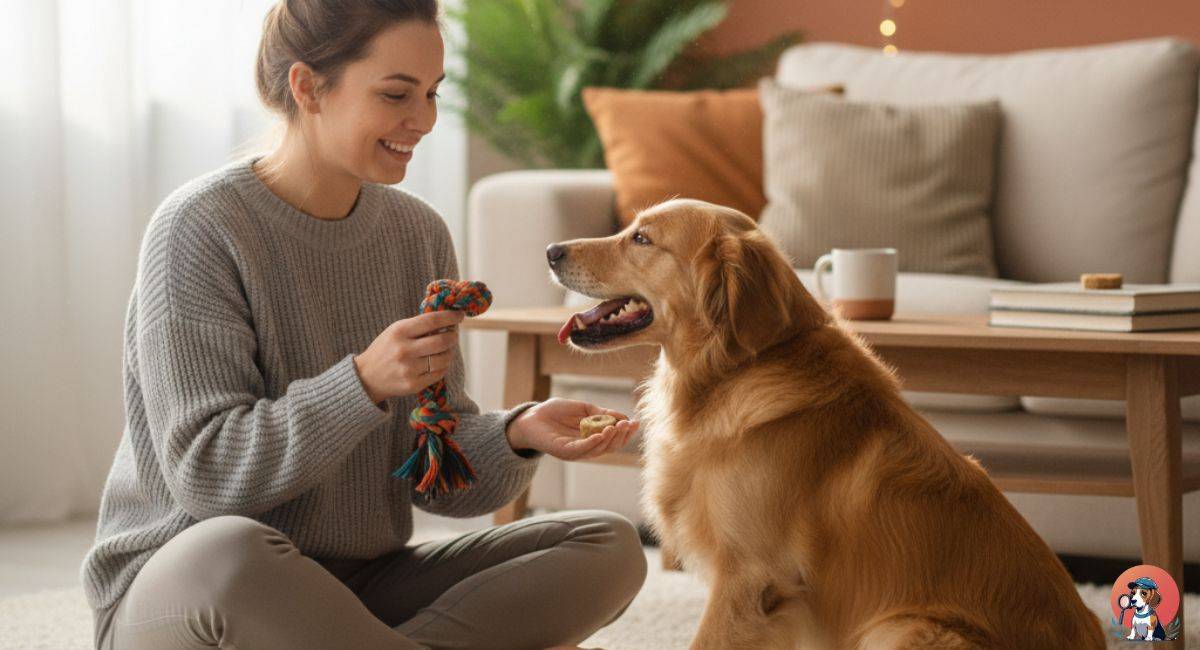
-
Keep feet clean to reduce dog licking feet health risks.
-
Redirect licking to toys, frozen lick mats, or other safe outlets.
-
Observe for excessive licking, which may indicate allergies, infections, or stress.
-
Understand behavioral reasons dogs lick feet to manage habits effectively.
Conclusion:
-
Keep feet clean daily to minimize bacterial or fungal exposure.
-
Offer enrichment toys and safe licking alternatives to redirect energy.
-
Consult a vet if licking becomes obsessive, painful, or health-related.
-
Occasional foot licking is typically harmless, but persistent licking requires monitoring and potentially professional advice.
FAQs: Is It Bad for Your Dog to Lick Your Feet? 2025
Q1. Is it bad for my dog to lick my feet every day?
Not usually, unless it becomes compulsive or causes irritation.
Q2. Can licking transfer diseases?
Yes, bacteria or parasites may transfer if hygiene is poor.
Q3. Why does my dog lick my feet but not my hands?
Feet have sweat salts and unique scents, making them more attractive.
Q4. How do vets treat excessive licking?
Through allergy testing, behavior modification, dietary changes, and topical treatments.
Q5. Are puppies more likely to lick feet?
Yes, as they explore their environment and learn social cues.
Q6. How can I safely redirect licking behavior?
Use toys, frozen lick mats, puzzle feeders, and positive reinforcement.
Vet Disclaimer
This article is for informational purposes only and does not replace professional veterinary care. Consult a licensed veterinarian for personalized assessment, diagnosis, or treatment of your dog’s health or behavioral issues.