Neosporin is not generally safe for cats. It should only be used on very small, minor skin wounds with veterinary approval. Many cats develop allergic reactions. Licking Neosporin can cause vomiting or diarrhea. Pain-relief versions are dangerous. Cat-specific wound treatments are safer and strongly recommended.
Is Neosporin Safe for Cats?
Cat owners often reach for Neosporin for minor scratches. Humans tolerate it well, but cats have sensitive skin and different biology.
Using Neosporin incorrectly can trigger allergic reactions or digestive upset. Understanding risks ensures safer care.
What Is Neosporin?
Neosporin is a human antibiotic ointment designed to prevent infection in small cuts and scrapes.
Neosporin is a topical antibiotic ointment used to stop bacterial growth on minor skin wounds.
It usually contains:
-
Neomycin
-
Polymyxin B
-
Bacitracin
Some versions also include pain-relief ingredients, which are unsafe for cats.
Neosporin for Cats Overview
Neosporin is not designed for cats, but veterinarians may allow short-term use in minor wounds.
Key considerations:
-
Cats lick wounds frequently.
-
Licking Neosporin may upset the stomach.
-
Neomycin often causes allergic reactions.
-
Pain-relief versions are toxic.
Veterinary-approved alternatives are safer.
Can you use Neosporin on cats?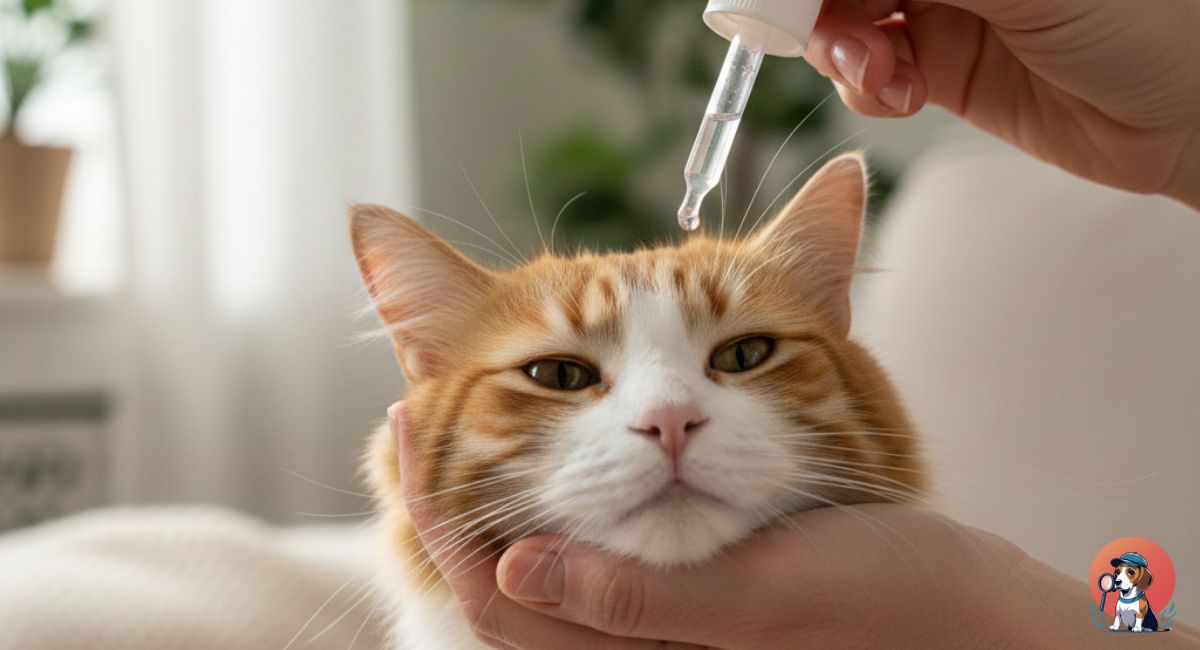
Yes, but only in rare cases under strict conditions.
It may be used if:
-
The wound is very small and shallow.
-
The skin is clean and dry.
-
No pain-relief ingredients are present.
-
Licking can be prevented.
Even then, cat-specific ointments are preferred.
Final Safety Verdict: Is Neosporin Safe for Cats?
Neosporin is conditionally unsafe for cats. While it may help minor scratches, risks often outweigh benefits.
Important Safety Note:
If a cat licks Neosporin repeatedly, even small amounts can cause digestive upset or allergic reactions.
Many veterinarians report that allergic skin reactions are among the most common issues when cats are treated with human antibiotic ointments like Neosporin.
Safety Summary Table (Quick Reference)
| Situation | Is Neosporin Safe? | What to Do |
|---|---|---|
| Small surface scratch | Sometimes | Vet-approved, short-term use only |
| Deep or bleeding wound | No | Visit a veterinarian |
| Near the eyes, nose, or mouth | Never | Use cat-safe eye drops |
| Pain-relief Neosporin | Dangerous | Avoid completely |
| Cat licking the area | Unsafe | Use an e-collar or vet care |
When Can Neosporin Be Used on Cats?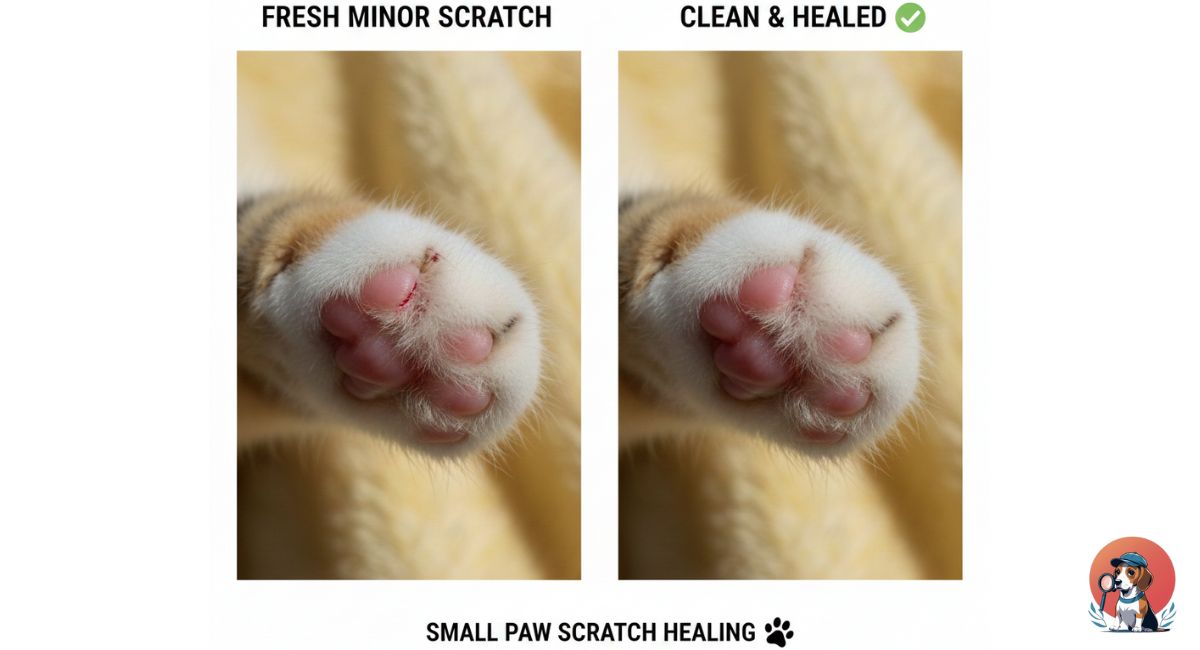
Neosporin may be used only in limited situations:
-
Minor scratches.
-
Clean, dry wounds.
-
Short-term use (1–2 days).
-
Veterinary approval.
Long-term or frequent use increases risk.
When Should You NOT Use Neosporin on Cats?
Avoid Neosporin if:
-
The wound is deep or bleeding.
-
There is swelling or pus.
-
The cat has allergies.
-
The product contains pain relief.
-
The wound is near the mouth, nose, or eyes.
Eye Safety: Neosporin should never be used in a cat’s eyes.
It is not an eye medication and may cause severe irritation, corneal damage, or vision problems.
Only vet-approved options, such as sterile saline solution, prescription antibiotic eye drops, or antiviral eye drops, should be used.
What is the dosage of Neosporin for cats, and how is it given?
There is no official cat dosage.
If a vet approves:
-
Apply a very thin layer.
-
Use once or twice daily.
-
Limit to 1–2 days only.
-
Prevent licking at all times.
Overuse does not improve healing and increases side effects.
Effects of Neosporin on Cats
Cat reactions vary. Common effects include:
-
Redness or itching.
-
Increased licking.
-
Mild swelling.
-
Digestive upset if swallowed.
Some cats show symptoms quickly; others take longer.
What are the common side effects of Neosporin in cats?
Side effects include:
-
Skin irritation or rash.
-
Hair loss around the wound.
-
Vomiting or diarrhea.
-
Lethargy.
These usually appear within hours to a few days.
What to do if your cat has an allergic reaction to Neosporin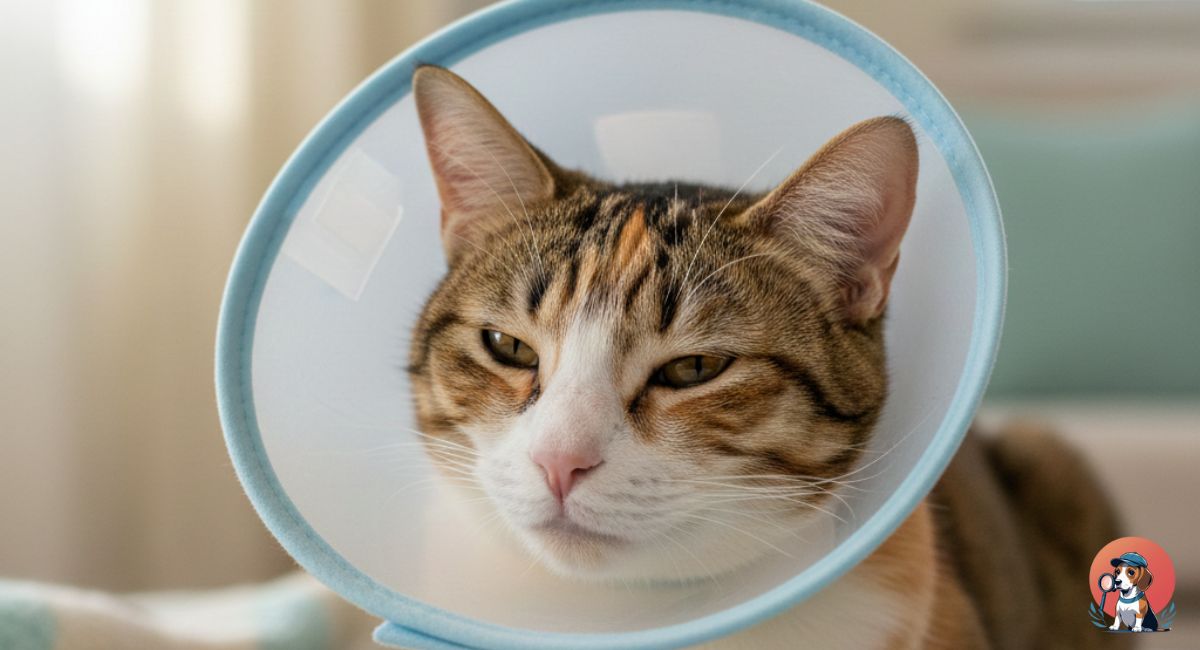
If redness, swelling, vomiting, or distress appear:
-
Stop using Neosporin immediately.
-
Clean the area with sterile saline solution.
-
Prevent licking.
-
Contact your veterinarian.
Allergic reactions can worsen quickly if ignored.
What are the most serious risks of Neosporin for cats?
Serious risks include:
-
Severe allergic dermatitis.
-
Delayed wound healing.
-
Antibiotic toxicity if ingested.
-
Masking serious infections.
Repeated use can also cause antibiotic resistance.
Does Neosporin interact with any other cat medications?
Neosporin may interact with:
-
Other topical antibiotics.
-
Steroid creams.
-
Oral antibiotics.
Mixing treatments without guidance increases risk.
What Ointment Can I Put on a Cat Wound?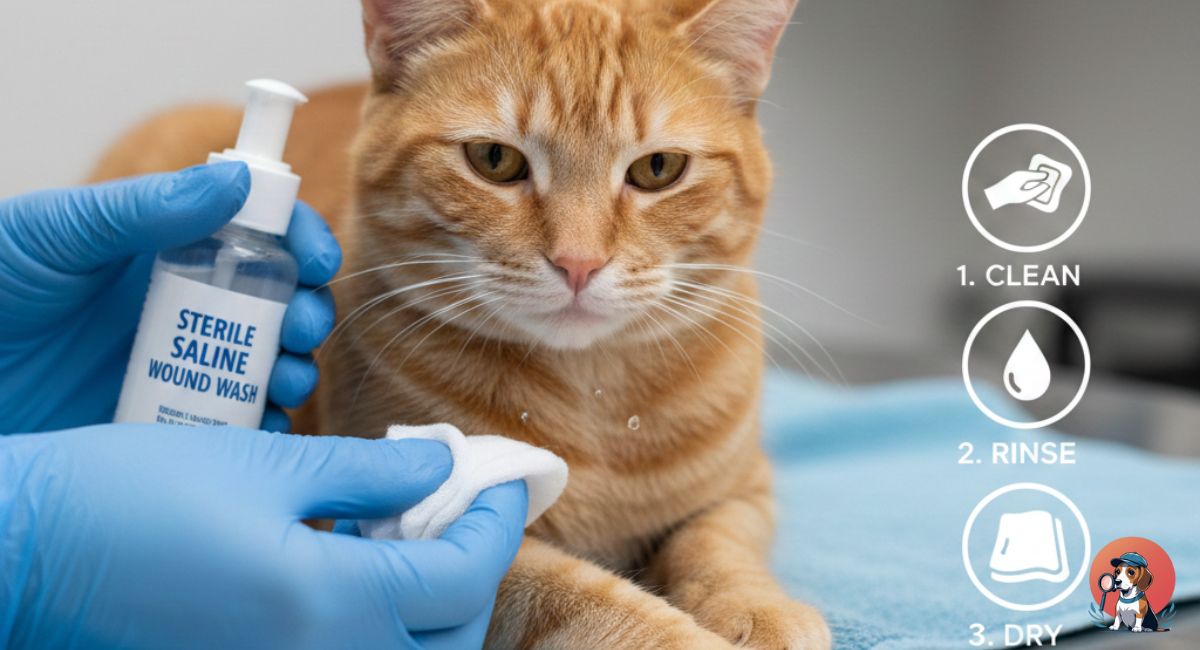
Safe wound care usually includes:
-
Sterile saline solution.
-
Cat-safe antiseptic solutions.
-
Vet-prescribed antibiotic ointments.
Human ointments should be avoided unless vet-approved.
Can I put VaselineⓇ on my cat?
Vaseline is non-toxic, but:
-
Does not fight infection.
-
Traps bacteria.
-
Encourages licking.
It is not ideal for healing.
Can you put bacitracin on a cat?
Bacitracin may sometimes be tolerated.
Allergies and licking risks remain. Always consult a vet.
Can you put hydrocortisone on a cat?
Hydrocortisone should only be prescribed.
It can delay healing and harm a cat if ingested.
Can you put PolysporinⓇ on a cat?
Polysporin does not contain neomycin, lowering allergy risk.
Still, it should only be used under veterinary guidance.
Alternatives to Neosporin for Cats
Safer alternatives include:
-
Veterinary wound sprays.
-
Cat-safe antiseptic solutions.
-
Prescription antibiotic creams.
-
Saline solution.
Comparison: Unlike Neosporin, cat-specific wound products are designed to be safer if small amounts are accidentally licked.
Neosporin Alternative for Cats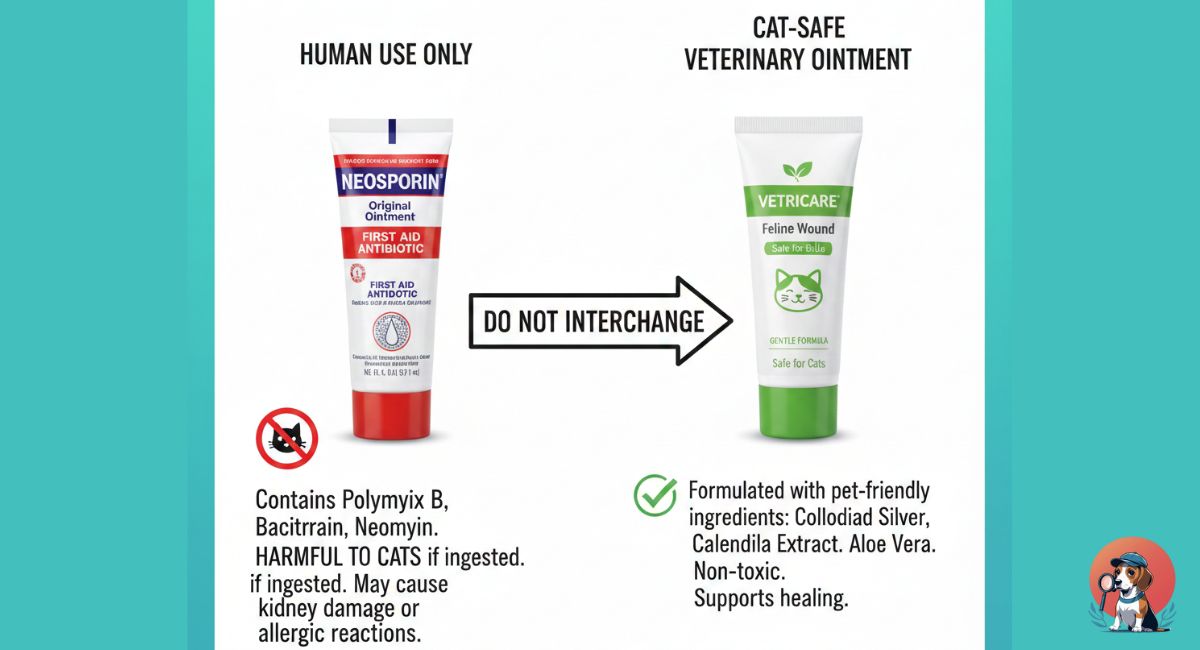
Common vet-recommended options:
-
Diluted chlorhexidine solutions.
-
Hypochlorous acid wound sprays.
-
Prescription feline antibiotic ointments.
These products heal safely and reliably.
When to See a Vet for a Cat Wound
See a vet if:
-
The wound is deep or bleeding.
-
There is swelling or discharge.
-
Healing does not improve in 48 hours.
-
Your cat appears in pain or unwell.
When in doubt, veterinary advice is always safer than home treatment.
FAQs: Is Neosporin Safe for Cats?
Q.1 What antibiotic ointment is safe for cats?
Only vet-approved antibiotic ointments are safe. Human products carry a higher risk.
Q.2 What can I put on my cat’s wound?
You can use sterile saline solution, cat-safe antiseptics, or vet-prescribed medications. Avoid human pain-relief ointments.
Q.3 Can you use Neosporin on a cat?
Yes, only on very small, minor wounds, without pain-relief ingredients. Short-term use is allowed under veterinary guidance. Safer, cat-specific alternatives are usually preferred.
Q4. Can Neosporin be used on a cat’s eyes?
No. Neosporin should never go in a cat’s eyes. It can cause severe irritation, corneal damage, or vision problems. Only use vet-approved eye drops or sterile saline.
Q5. How do I prevent my cat from licking Neosporin?
Use an e-collar (cone) or bandage if advised by a vet. Licking can cause vomiting, diarrhea, or allergic reactions.
Q6. How long can I safely use Neosporin on a cat?
Use only for 1–2 days and in small amounts. Longer use increases the risk of side effects and delayed healing.
Q7. When should I see a vet for a cat wound?
See a vet if:
-
The wound is deep, bleeding, or swollen
-
There is pus or infection
-
Healing does not improve in 48 hours
-
Your cat shows pain or lethargy
Tip: When in doubt, veterinary guidance is always safer than home treatment.
Conclusion: Is Neosporin Safe for Cats?
Neosporin is not generally safe for cats. It may be tolerated in rare, minor wounds but carries allergy, digestive, and toxicity risks. Cat-specific wound treatments and veterinary guidance provide safer, faster, and more reliable healing.