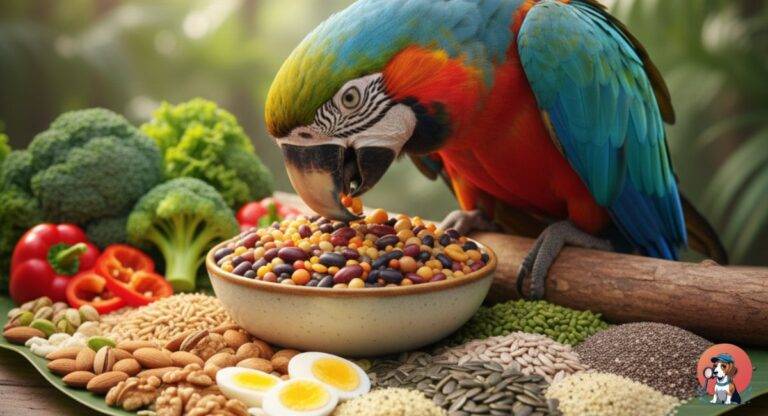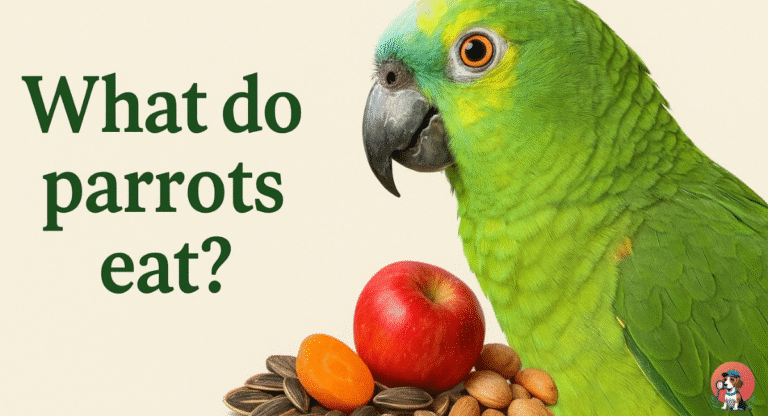
Nutrition Diet for Parrots: The optimal parrot diet follows the 80/20 rule: 80% high-quality, organic formulated pellets and 20% fresh “chop” (vegetables, sprouts, and low-sugar fruits). Avoid all-seed diets, which cause fatty liver disease. Supplement with calcium and Vitamin A-rich foods to ensure long-term organ health and vibrant plumage.
Why is Diet the Foundation of Bird Health
In 2026, avian nutritional science has shifted toward preventative metabolic care. We no longer just “feed” birds; we provide functional nutrition designed to mimic the biological demands of their wild ancestors.
Understanding the link between nutrition and lifespan
A parrot’s lifespan is directly proportional to its metabolic health. While a wild macaw might fly 30 miles a day, a pet bird lives a sedentary life. Therefore, their diet must be nutrient-dense but calorie-controlled to prevent the “silent killer” of pet birds: hepatic lipidosis (fatty liver disease).
Common signs of a well-nourished parrot
A bird receiving a 2026-standard diet will display high-intensity feather pigmentation and a “powder down” consistency that feels healthy, not greasy. Their beaks will be smooth without horizontal stress ridges, and their droppings will have a consistent, firm form without excess liquid or discoloration.
The Psychology of Feeding: Why Social Eating Matters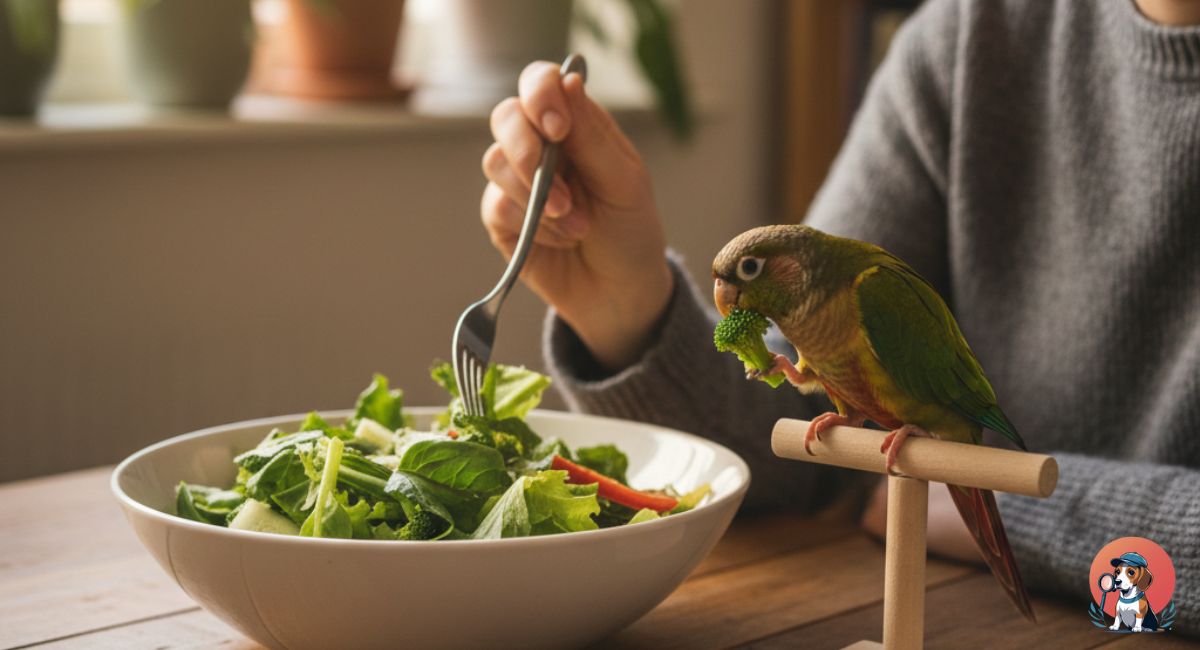
Parrots are obligate social foragers, meaning that in the wild, the act of eating is a communal safety mechanism. When a parrot eats with its “flock” (you), its brain releases oxytocin and dopamine, which significantly lowers cortisol levels.
The “Human Flock” Connection
If your parrot watches you eat healthy foods like steamed broccoli or kale, they are neurobiologically primed to mimic that behavior. This social modeling is often the only way to get a picky eater to try new vegetables. Shared mealtimes improve nutrient absorption by ensuring the bird is in a relaxed, “rest and digest” parasympathetic state.
Mental Health and Foraging
A bird that is simply handed a bowl of food is a bird at risk for feather-destroying behavior. In 2026, we emphasize that how a bird eats is as important as what it eats. Using puzzle feeders and hanging kabobs forces the parrot to use its problem-solving skills, preventing the boredom-induced depression common in captive psittacines.
The Step-by-Step Conversion Guide: From Seeds to Pellets
Switching a “seed addict” to pellets is not just a diet change; it is a behavioral intervention. Birds recognize seeds as food but often view pellets as “rocks” or toys.
The 4-Week Transition Protocol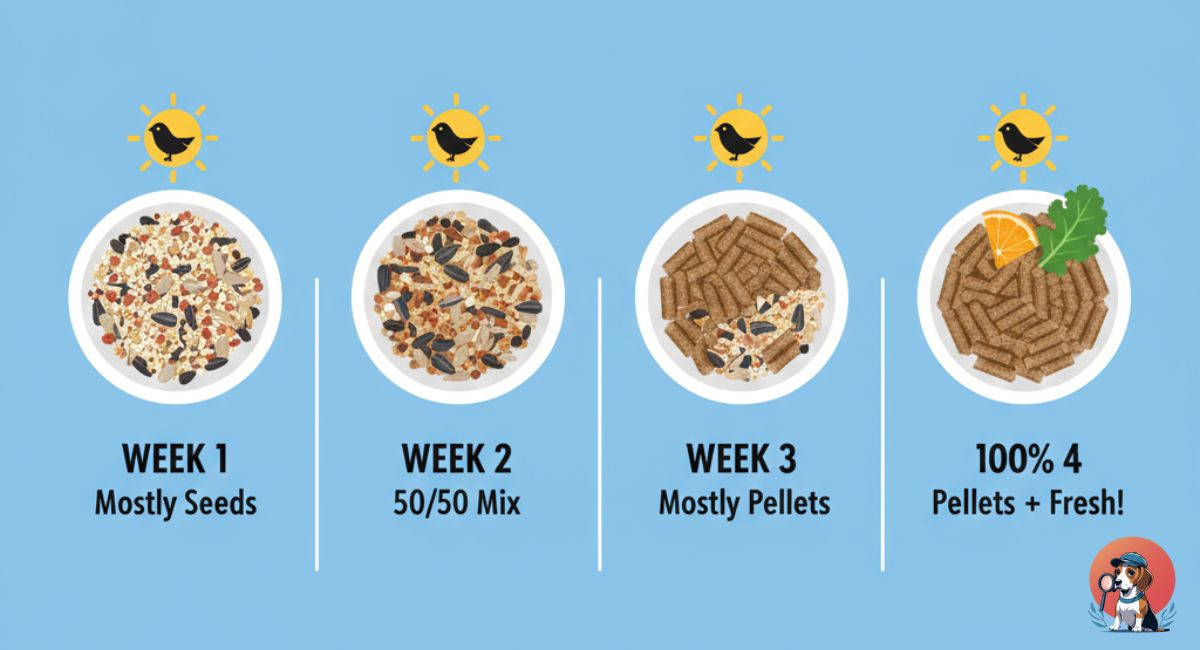
Never switch a bird “cold turkey,” as they may literally starve to death out of stubbornness. Use this gradual mixing ratio to ensure safety and success.
| Week | Pellet % | Seed % | Daily Strategy |
| Week 1 | 25% | 75% | Dust pellets with seed “fines” so they taste familiar. |
| Week 2 | 50% | 50% | Offer pellets in the morning when the bird is hungriest. |
| Week 3 | 75% | 25% | Limit seeds to training rewards only. |
| Week 4 | 100% | Treats Only | Monitor weight closely to ensure they are actually eating. |
If your bird refuses pellets, try moistening them with 100% organic apple juice (no sugar added) to increase palatability during the first week.
Species-Specific Nutritional Requirements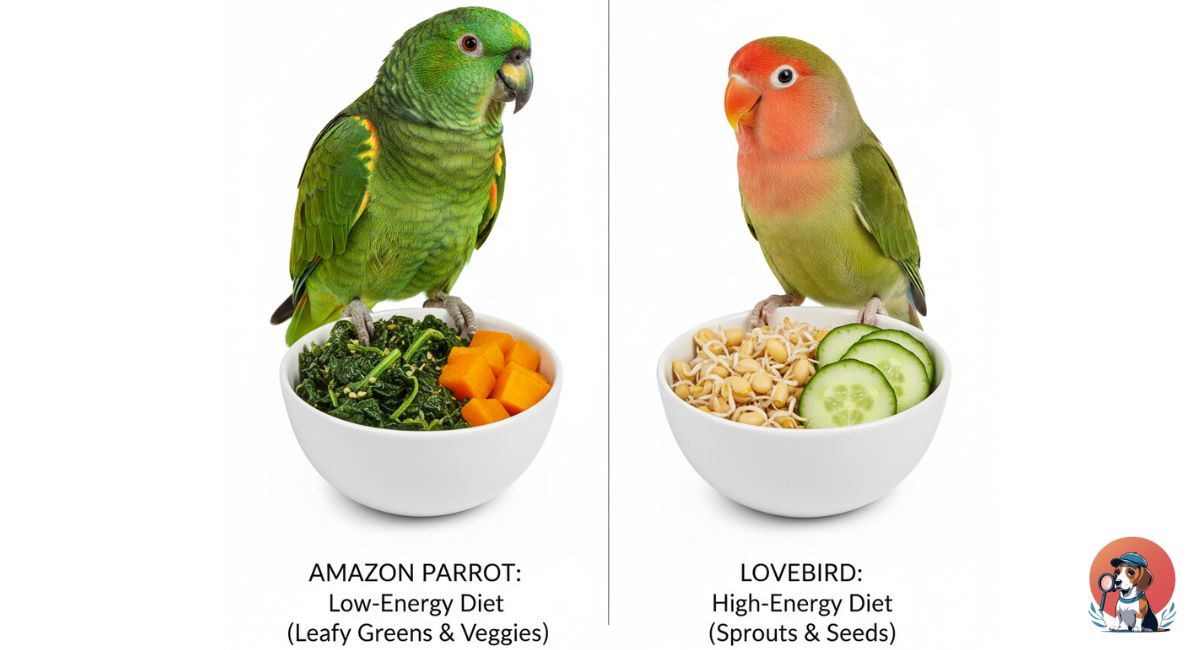
A 2026-level strategist recognizes that a Budgie is not a mini-Macaw. Their evolutionary backgrounds dictate vastly different caloric and mineral needs.
Amazons: Managing the “Obesity Gene”
Amazon parrots are the “labradors” of the bird world. They have a slow metabolism and an extreme genetic predisposition to atherosclerosis (clogged arteries). Their diet must be strictly low-fat, focusing heavily on Vitamin A-rich vegetables like orange peppers and squash to protect their sensitive respiratory systems.
Conures: Variety and Energy
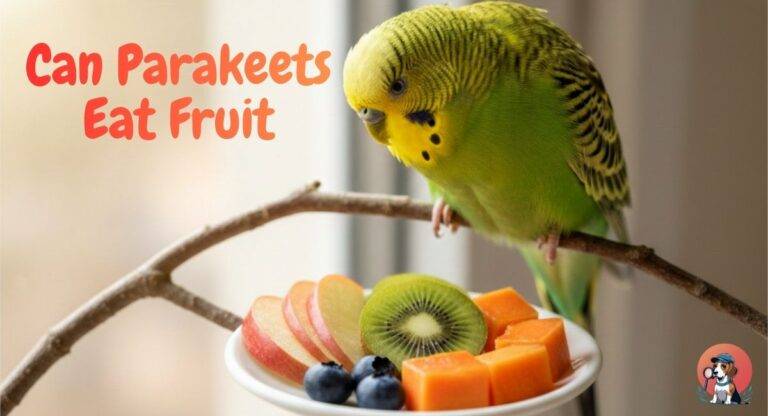
Active species like Sun Conures and Green Cheeks have high metabolic rates. They thrive on a variety of energy-dense snacks like sprouted sunflower seeds and tropical fruits (papaya/mango). However, because they are prone to “Conure Bleeding Syndrome,” ensuring they have adequate Vitamin K from leafy greens is non-negotiable.
Lovebirds: Small Body, Fast Burn
Lovebirds process energy incredibly quickly. They require multiple small feedings throughout the day. Because they are prone to kidney issues, avoid high-protein “egg foods” unless they are actively breeding, and focus on hydrating vegetables like cucumber and celery.
Hormonal Triggers & Diet: The Spring Surge
Many owners don’t realize that high-calorie diets signal to a parrot’s endocrine system that “abundance has arrived,” which triggers aggressive breeding hormones.
Preventing “The Spring Screamer”
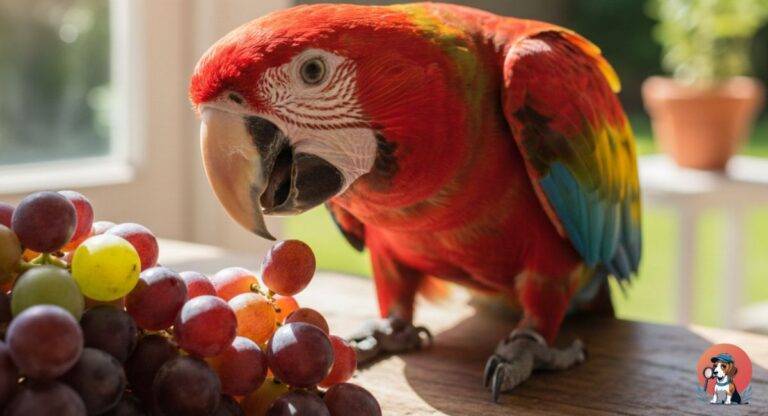
In the spring, reduce warm, mushy foods (which mimic the consistency of regurgitated mate food) and cut back on high-fat nuts and high-sugar fruits. This tells the bird’s body that it is not the optimal time for nesting.
The “Cooling Foods” List
To help regulate a hormonal bird, focus on crunchy, room-temperature, and low-energy foods:
-
Radishes and Celery: High water content, low energy.
-
Raw Cauliflower: Provides satisfying crunch without a “sugar high.”
-
Dandelion Greens: Natural diuretics that help flush excess hormones.
The Modern Kitchen Hazard: Diet vs. Environment
You can provide the perfect organic diet, but if you cook it in a non-stick pan, you may kill your bird. PTFE (Teflon) toxicity is a silent killer in 2026 kitchens. When heated, non-stick coatings release colorless, odorless fumes that cause acute pulmonary hemorrhage in parrots. If you are preparing a “Chop,” use stainless steel, cast iron, or ceramic cookware exclusively.
The 2026 Superfood “Chop” Recipe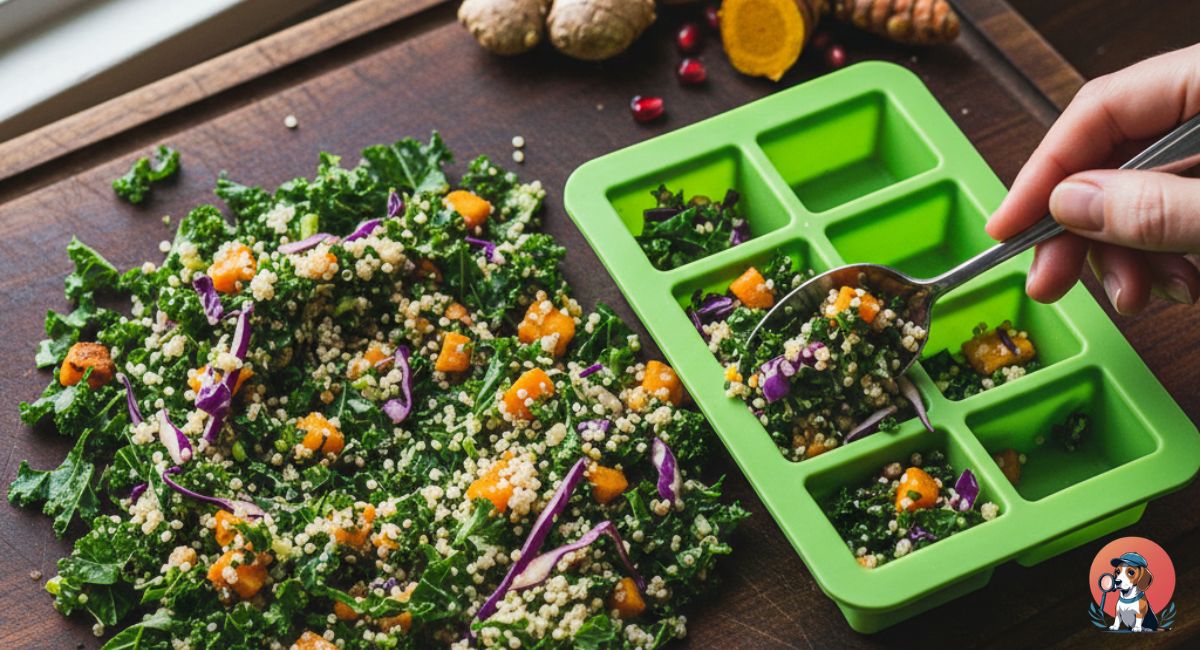
This recipe makes enough for 30 days of frozen portions.
Ingredients List (The Power 15)
-
Base: 2 bunches of Kale, 1 head of Broccoli.
-
Orange Power: 3 large Sweet Potatoes (steamed/mashed).
-
The Grain: 2 cups cooked Quinoa.
-
Legumes: 1 cup sprouted Mung Beans.
-
Veggies: 4 Bell Peppers (with seeds), 6 Carrots, 1 bag of Snap Peas.
-
Micro-Boost: 1 tray of Microgreens (Cilantro or Radish).
-
Anti-Inflammatory: 1 inch of fresh Ginger, 1 tsp Turmeric.
-
Seeds/Crunch: 2 tbsp Chia Seeds, 2 tbsp Hemp Hearts.
Preparation & Storage
Pulse all raw vegetables in a food processor until they are the size of a grain of rice. Mix in your cooked grains and mashed sweet potatoes. Spread the mixture into silicone ice cube trays and freeze. Each morning, simply thaw one “Chop Cube” and serve.
FAQs
Q.1 Is tap water safe for parrots in 2026?
While tap water is generally treated for human consumption, parrots are significantly more sensitive to heavy metals (lead/zinc) and chlorine. In 2026, we recommend using reverse osmosis (RO) or carbon-filtered water. Tap water in older homes may contain trace amounts of lead from pipes, which causes chronic neurological toxicity in parrots over time. If your bird dunks their food in their water bowl, the bacterial growth increases; therefore, filtered water should be changed at least twice daily to maintain a sterile environment.
Q.2 Can parrots have dairy, like yogurt?
Parrots are lactose intolerant. Unlike mammals, birds do not possess the enzyme lactase required to break down milk sugars. Feeding dairy can lead to severe gastrointestinal distress, diarrhea, and nutrient malabsorption. While some owners claim “live culture” yogurt is safe because the bacteria consume the lactose, it is safer to use coconut-based or almond-based yogurts if you want to offer a creamy treat. Stick to plant-based probiotics specifically designed for avian gut flora.
Q.3 How often should I offer treats?
Treats (nuts, seeds, and high-sugar fruits) should make up no more than 5% of the total daily intake. In a 2026 enrichment-focused home, treats should never be “free.” They must be earned through training or foraging. For example, use a single sliver of an almond to reward a “step-up” command. This keeps the bird’s weight in check and ensures that the “high-value” reward remains a powerful motivator for positive behavior.
Conclusion
A parrot’s diet is a lifelong commitment to evolutionary biology. By moving away from the “seed-and-water” myths of the past and embracing the 80/20 Pellets-and-Chop model, you are effectively buying your bird another 20 years of life.