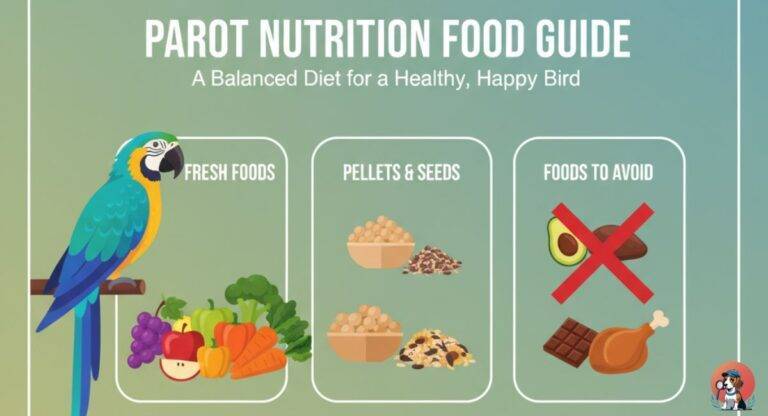
Protein is one of the most important nutrients in a parrot’s diet, yet it is also one of the most confusing for bird owners. Many parrots are fed seed-heavy or fruit-heavy diets that look colorful and appealing but fail to meet basic nutritional needs. On the other hand, some owners overcorrect by feeding too much protein, especially from eggs, nuts, or meat, without realizing the long-term risks.
Protein directly affects a parrot’s feathers, muscles, immune system, hormones, and internal organs. When protein intake is balanced, parrots maintain strong feathers, stable energy levels, and better disease resistance. When protein intake is poorly managed, health problems can develop slowly and silently over time.
This pillar guide explains protein sources for parrots in clear, simple language. You will learn how much protein parrots need, which sources are safest, how to prepare protein correctly, and how to adjust protein intake for age and health conditions. The goal is to help you feed your parrot confidently and safely for long-term health.
What Are Protein Sources for Parrots?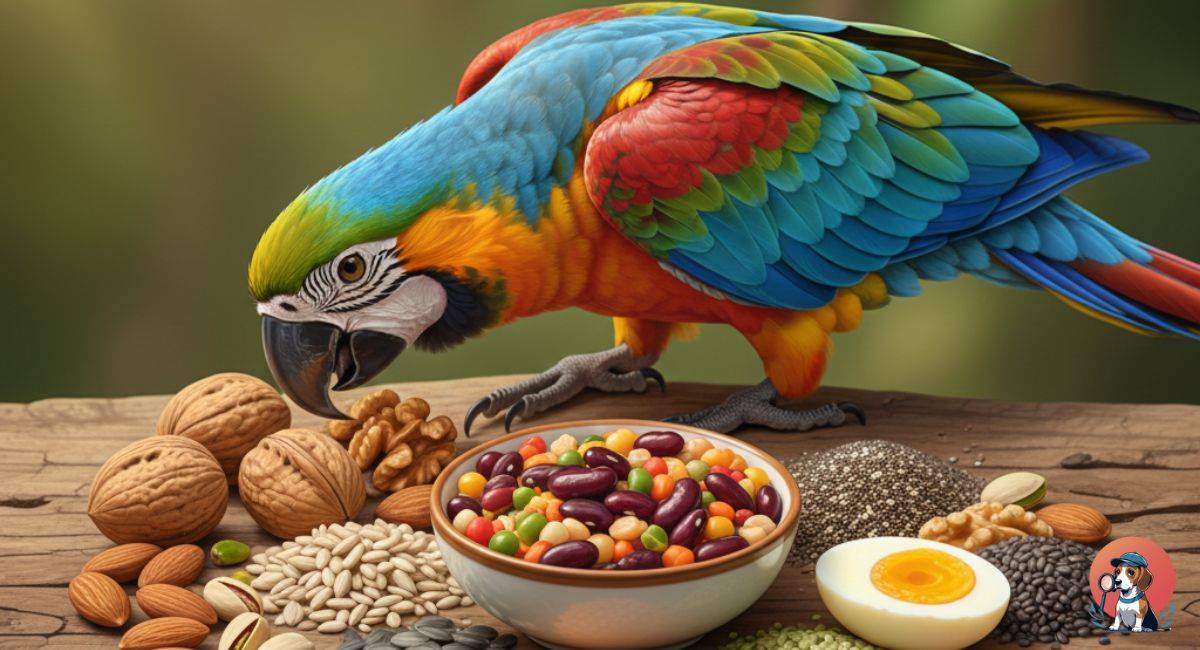
Protein sources for parrots are foods that supply essential amino acids needed for growth, maintenance, and repair of body tissues. These sources come mainly from plants, with limited use of animal-based foods in specific situations.
Common protein sources for parrots include:
-
Cooked legumes such as lentils, chickpeas, and beans
-
High-quality formulated pellets
-
Nuts in controlled amounts
-
Seeds in limited quantities
-
Fully cooked eggs are offered occasionally
Most companion parrots do not need high-protein diets. In general, protein should comprise a moderate portion of the total diet, rather than the majority. Excess protein does not make parrots stronger or healthier and often causes long-term organ stress.
Understanding Protein in a Parrot’s Body
Protein is broken down into amino acids during digestion. These amino acids are used to build and maintain tissues throughout the body.
Role of amino acids
Amino acids are essential for:
-
Feather structure and pigment
-
Muscle strength and movement
-
Enzyme and hormone production
-
Immune cell development
-
Tissue repair after injury
Parrots cannot store amino acids efficiently, so they need regular intake, but only in appropriate amounts.
Feather growth, muscle, immunity, and hormones
Feathers are mostly made of protein. During molting, protein needs increase slightly. Muscles also rely on protein to maintain strength and coordination. The immune system uses proteins to create antibodies, while hormones depend on protein-based structures for proper signaling.
Wild vs captive parrots
Wild parrots burn large amounts of energy through flight and foraging, naturally regulating protein intake. Captive parrots are less active, making excess protein more dangerous in a home environment.
Is Protein Safe for Parrots?
Yes, protein is safe and essential for parrots when fed correctly. Problems occur when:
-
Protein intake is too high
-
Sources are inappropriate
-
Diets lack balance
Modern veterinary guidance shows that chronic excess protein can contribute to liver stress, kidney overload, and gout. These conditions often develop slowly and may not show clear symptoms until damage is advanced.
Protein safety depends on source quality, portion size, and frequency.
Nutritional and Health Benefits of Protein
Balanced protein intake supports nearly every system in a parrot’s body.
Feathers and molting
Adequate protein helps parrots grow strong, smooth feathers, and complete normal molt cycles without excessive stress.
Muscle health
Protein maintains muscle tone, balance, and coordination, which is important even for birds that spend most of their time indoors.
Immune system
The immune system relies on proteins to produce antibodies and immune cells that protect against infection.
Growth and recovery
Young parrots and recovering birds need enough protein to support tissue growth and healing.
Breeding and aging parrots
Breeding parrots and aging parrots both rely on protein, but amounts must be adjusted carefully to avoid excess.
Possible Risks and Side Effects of Excess Protein
Excess protein places a strain on organs that process waste products.
Potential risks include:
-
Liver stress and enlargement
-
Kidney overload and dehydration
-
Uric acid buildup leading to gout
-
Obesity due to excess calories
These issues are most often linked to diets heavy in meat, eggs, nuts, or seeds fed daily without balance.
Portion Size Guidelines
A widely accepted guideline for parrots is the 10% rule. This means concentrated protein foods should not exceed about ten percent of the total daily diet for most adult parrots.
Typical daily diet structure
-
Pellets as the main base
-
Vegetables and leafy greens
-
Small portions of protein-rich foods
Species, age, and activity level matter. Growing parrots, molting birds, and breeding pairs may need slightly more protein, while sedentary adult parrots usually need less.
How to Prepare Protein Safely (Step-by-Step)
Proper preparation reduces the risk of illness.
Safe preparation steps:
-
Choose fresh, plain ingredients
-
Wash thoroughly
-
Cook foods that require cooking
-
Avoid salt, oil, spices, sugar, and sauces
-
Allow food to cool fully
-
Serve small portions
-
Remove leftovers within two hours
What to avoid completely
-
Raw eggs
-
Raw or undercooked beans
-
Processed meats
-
Fried foods
-
Seasoned or flavored products
Raw vs Cooked Protein (Comparison Table)
| Food | Raw | Cooked |
|---|---|---|
| Eggs | Unsafe | Safe |
| Beans | Toxic | Safe |
| Lentils | Hard to digest | Easy to digest |
| Meat | High bacteria risk | Safer in tiny amounts |
| Quinoa | Digestible | More digestible |
Cooked protein is almost always safer for parrots.
Best Protein Sources for Parrots
Cooked legumes
Legumes are one of the safest plant-based protein options when fully cooked.
Benefits:
-
Moderate protein
-
Low fat
-
Good digestibility
Pellets
High-quality pellets are designed to meet daily protein needs and should form the dietary base.
Nuts
Nuts provide protein and healthy fats but are calorie-dense and must be limited.
Seeds
Seeds contain protein but are high in fat and should not be relied on as a primary source.
Eggs
Fully cooked eggs can be offered occasionally in very small portions.
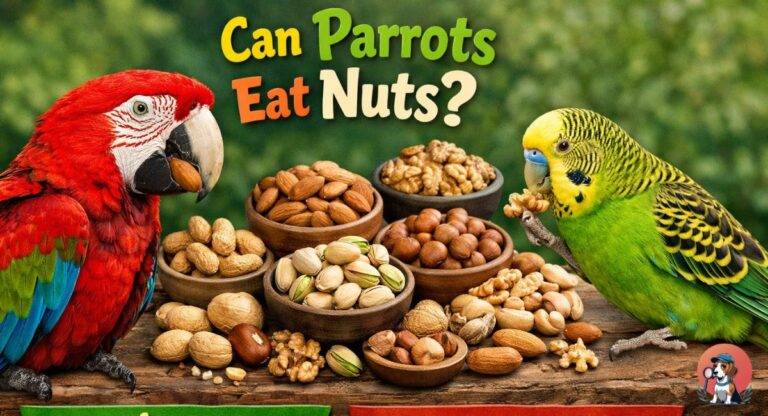
Nuts and Protein
Many bird owners ask this when wondering, can parrots eat nuts as part of a healthy diet. Nuts are not harmful on their own, but overfeeding is common and can lead to health problems.
Benefits
-
Protein
-
Healthy fats
-
Minerals
Risks
-
Obesity
-
Fatty liver disease
Portion control and rotation are essential.
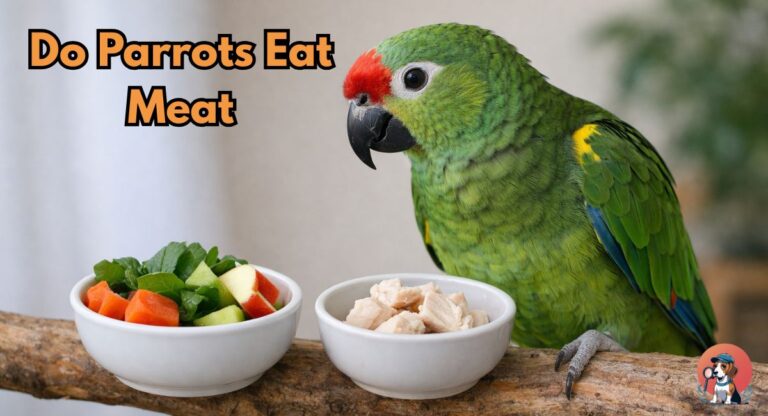
Do Parrots Eat Meat?
The question do parrots eat meat often arises when owners try to diversify diets. Parrots do not need meat, but some species can tolerate tiny amounts.
When meat may be acceptable:
-
Fully cooked
-
Plain
-
Very small portions
-
Infrequent feeding
Plant protein remains safer and more appropriate for most parrots.
Fruits vs Protein
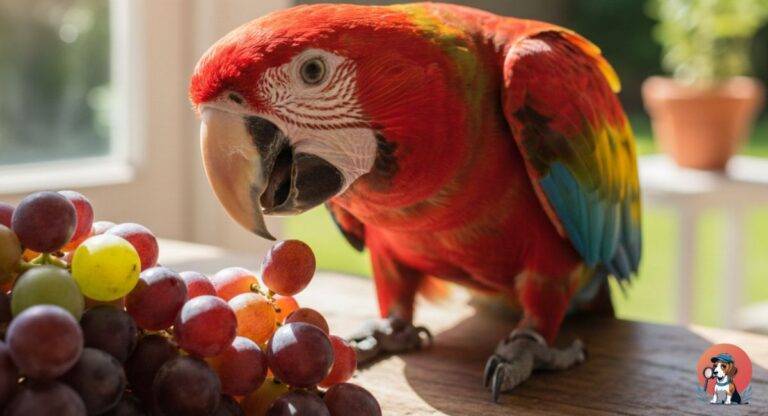
Fruits are often mistaken for protein foods. Questions such as Can parrots eat grapes or Can parakeets eat fruit are about vitamins and hydration, not protein.
Fruits provide:
-
Natural sugars
-
Antioxidants
-
Water
They should never replace protein-rich foods.
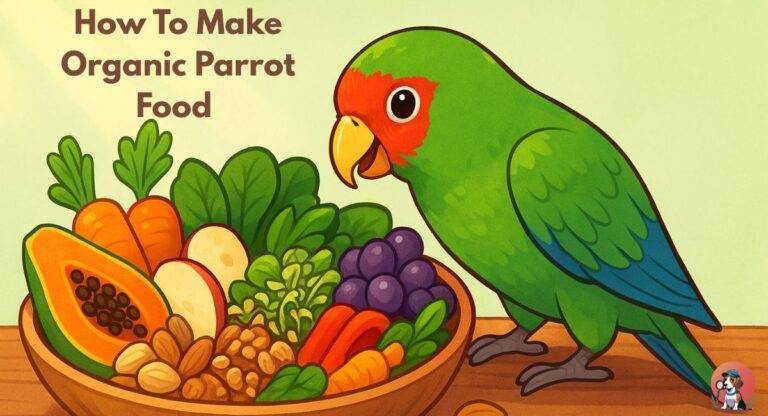
Vegetables and Protein Support
Vegetables support digestion and nutrient absorption. Owners often ask if can parrots eat carrots because of their health benefits.
Carrots support:
-
Eye health
-
Immune function
-
Digestive balance
They complement protein but do not replace it.
Senior Parrots and Protein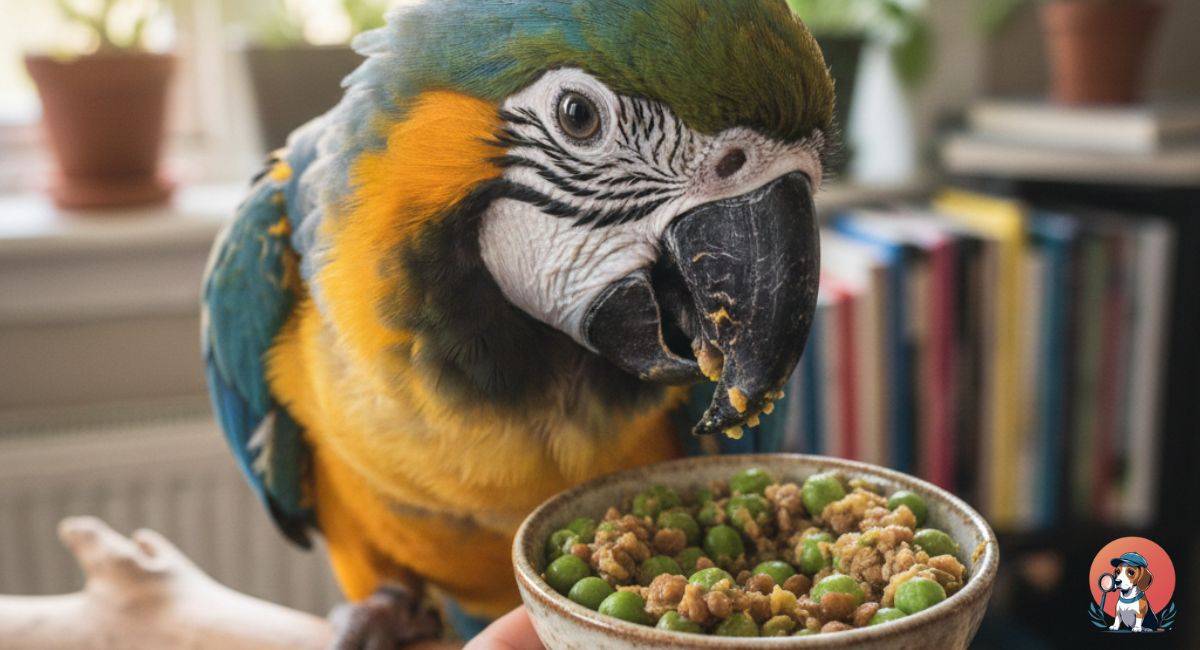
Older parrots still need protein, but tolerance often decreases with age.
Senior parrots benefit from:
-
Easily digestible protein
-
Lower fat intake
-
Consistent routines
Cooked legumes and pellets are usually safer than nuts or animal protein.
Parrots With Health Conditions
Protein intake may need adjustment in parrots with:
-
Kidney disease
-
Liver disease
-
Gout
-
Obesity
In these cases, protein levels should be managed with veterinary guidance.
Signs of Protein Intolerance
Watch for:
-
Excessive thirst
-
Lethargy
-
Changes in droppings
-
Joint swelling
-
Weight gain
-
Behavioral changes
Stop feeding the suspected food and consult a professional if symptoms persist.
Safe Protein Alternatives
If common protein sources are poorly tolerated, alternatives include:
-
High-quality pellets
-
Cooked quinoa
-
Cooked peas
-
Sprouted seeds
-
Balanced food rotation
FAQs: Protein Sources for Parrots
Q1. How much protein does a parrot need daily?
Most parrots do well with protein, making up about 10–15% of the diet.
Q2. Are eggs safe for parrots?
Fully cooked eggs are safe in small, occasional amounts.
Q3. Can parrots live on seeds alone?
Seed-only diets are nutritionally incomplete and risky.
Q4. Do molting parrots need more protein?
Molting slightly increases protein needs, but should remain controlled.
Q5. Is plant protein enough for parrots?
Yes, plant-based protein meets the needs of most parrots.
Q6. Can baby parrots eat more protein?
Growing birds may need more protein under guidance.
Veterinary Disclaimer
This article is for educational purposes only and does not replace professional veterinary advice. Nutritional needs vary by species, age, health status, and individual metabolism. Always consult a qualified avian veterinarian before making major dietary changes or if your parrot shows signs of illness or intolerance.