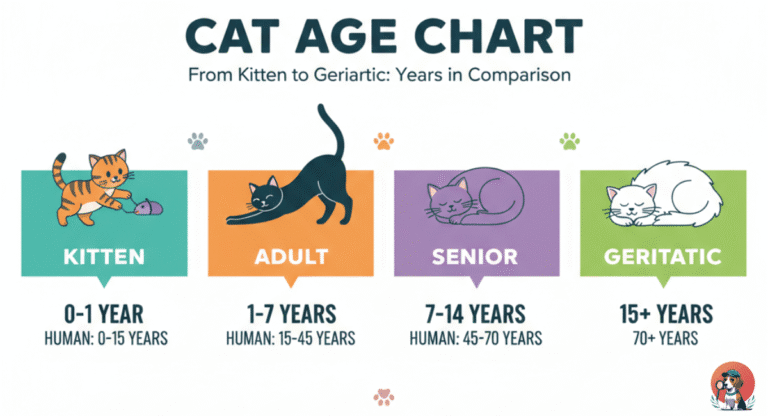
Understanding when do cats stop growing is important for every cat owner—whether you’re raising a playful kitten or caring for an adult cat. A cat’s growth stage affects feeding portions, nutrition needs, exercise levels, and long-term health. While many cats appear fully grown within their first year, true physical maturity often takes longer and depends on breed size, genetics, and overall care.
This updated guide explains the exact age cats stop growing, clear growth stages from kitten to adult, how breed size affects development, and the signs that show your cat has reached full size.
Most cats stop growing between 12 and 24 months. Small breeds usually mature faster (12–18 months), while large breeds like Maine Coons may continue growing until 3–4 years.
At What Age Do Cats Stop Growing?
Most cats reach their final adult size between one and two years of age. Height growth typically stops first, followed by gradual filling out of muscle mass, chest width, and overall body balance.
General growth ranges:
- Small to medium breeds: 12–18 months
- Average domestic cats: 18–24 months
- Large breeds: Up to 3–4 years
Even after visible growth slows, internal development such as bone density and muscle strength may continue for several months.
Cat Growth Stages Explained (Kitten to Adult)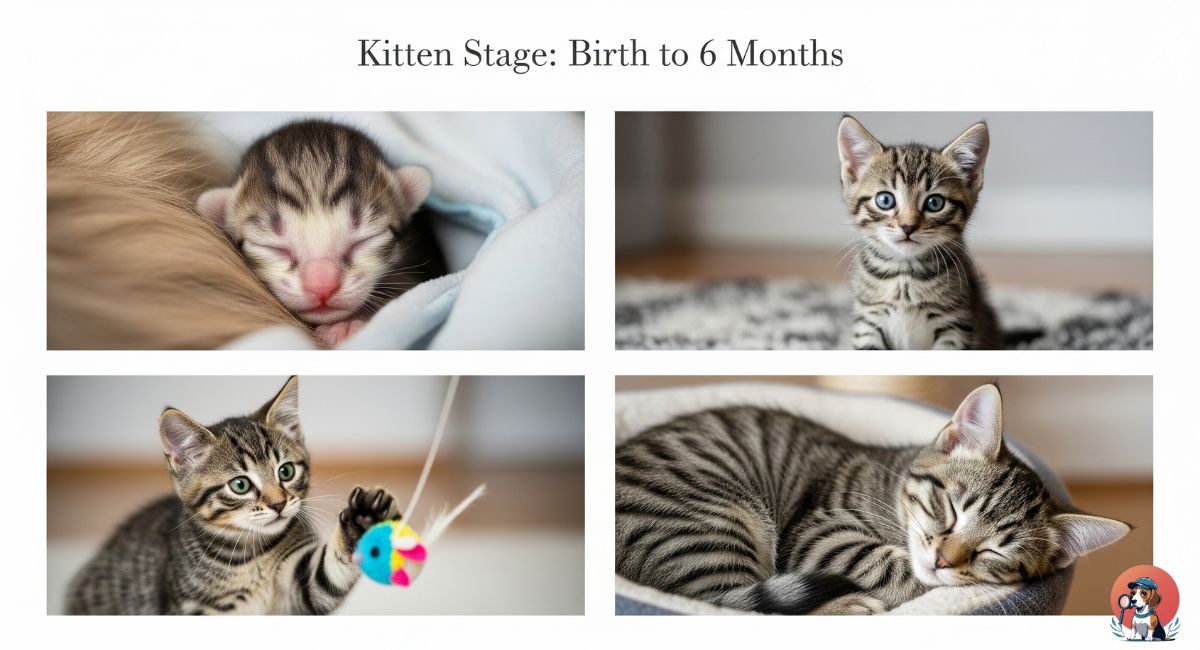
Birth to 6 Months: Rapid Kitten Growth
This is the fastest growth period of a cat’s life.
During this stage:
- Weight increases rapidly, often tripling within weeks
- Bones and joints develop quickly
- Baby teeth appear around 3 weeks
- Energy and calorie needs are very high
By six months, kittens usually reach about half of their adult size, though their bodies are still immature.
6 to 12 Months: Adolescent Development
Cats may look almost adult-sized, but growth is not complete.
Common changes include:
- Slower but steady growth
- Continued muscle and bone development
- Improved coordination and strength
- Hormonal maturity begins
Many owners assume growth has ended at this stage, but important physical development is still ongoing.
1 to 2 Years: Physical Maturity
This is when most cats complete their growth.
At this stage:
- Final height is reached
- Muscles fill out fully
- Body proportions stabilize
- Energy levels become more balanced
By age two, most cats have reached their full adult size and weight.
When Do Kittens Stop Growing in Height?
Height growth usually slows significantly after 9–12 months. While length and height stabilize first, cats may continue to gain muscle and body mass after vertical growth ends.
When Do Cats Stop Gaining Weight?
Weight gain may continue after height growth stops. Healthy weight gain after the first year usually reflects:
- Muscle development
- Chest and shoulder broadening
- Improved bone density
Rapid or excessive weight gain, however, often indicates overfeeding rather than true growth.
Growth Timeline by Cat Breed (Small vs Large)
| Age | Growth Status |
|---|---|
| 0–6 months | Rapid growth |
| 6–12 months | Height slows, muscles develop |
| 12–18 months | Near adult size |
| 18–24 months | Full maturity (most cats) |
| 3–4 years | Large breeds only |
Large breeds grow more slowly because their bones and joints take longer to mature.
Is It Normal for Cats to Grow After One Year?
Yes. Continued growth after one year is normal, especially for large or slow-maturing breeds.
Post‑year growth often includes:
- Increased muscle density
- Stronger bones
- Broader chest and shoulders
Gradual changes are healthy. Sudden weight gain, lethargy, or appetite loss should be checked by a veterinarian.
Nutrition and Cat Growth
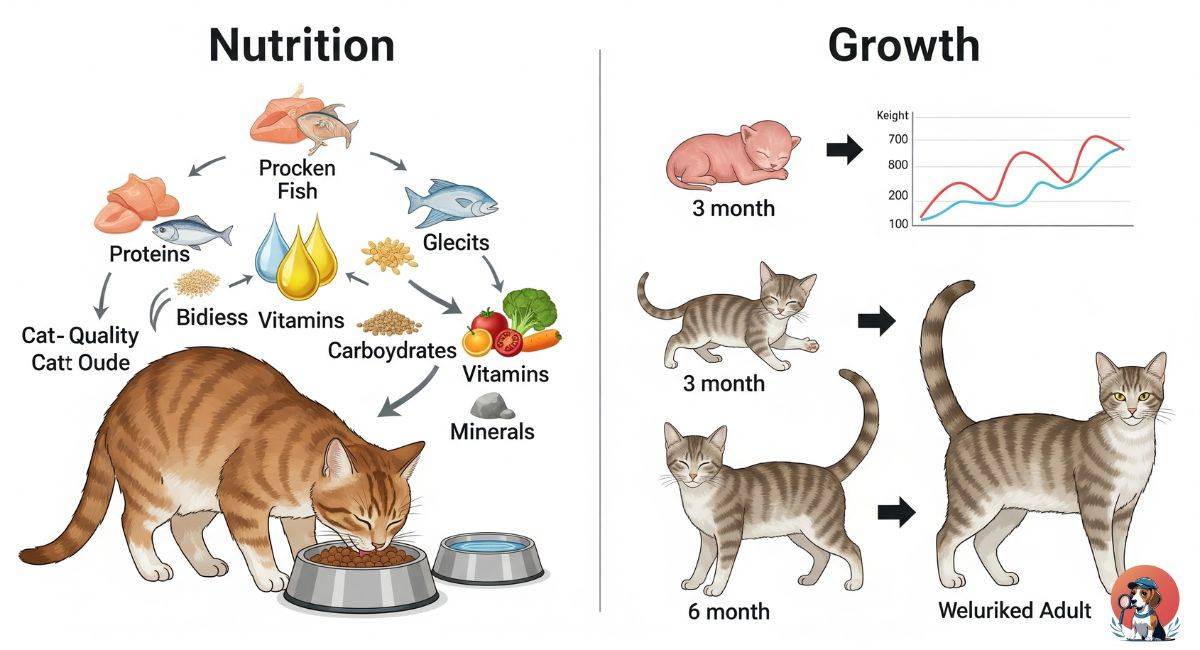
Diet plays a critical role in healthy development.
Portion Guidelines
- Kittens require frequent, calorie‑dense meals
- Adolescents need balanced portions as growth slows
- Adult cats require fewer calories once growth ends
Treats should make up no more than 10% of daily calories. Overfeeding after growth slows is a common cause of obesity.
Raw vs Cooked vs Commercial Diets
| Diet Type |
Growth Support |
Safety |
| Raw (unbalanced) | Inconsistent | Higher risk |
| Home‑cooked (vet‑guided) | Moderate | Safe if balanced |
| Commercial complete food | Optimal | Safest option |
Veterinarians generally recommend complete commercial diets for consistent nutrition during growth.
When to Worry About Cat Growth Problems
Growth may be abnormal if you notice:
- Failure to gain weight during kittenhood
- Uneven body proportions
- Chronic digestive problems
- Persistent lethargy
- Sudden or excessive weight gain
Early veterinary evaluation helps prevent long‑term health issues.
Pregnancy and Growth in Female Cats
Early reproduction can affect development. Female cats that become pregnant before reaching full size may temporarily redirect nutrients away from body growth.
Important facts:
- Average pregnancy length: 63–67 days
- Extra calories and protein are required during pregnancy
- Breeding is best delayed until full maturity
Senior Cats and Body Changes
Senior cats do not grow in size. Weight changes in older cats are usually related to:
- Fat accumulation
- Reduced activity
- Metabolic changes
Regular weight monitoring helps prevent joint stress and metabolic disease.
Signs Your Cat Has Reached Full Size
Your cat is likely fully grown if you notice:
- Stable weight over several months
- No increase in height or length
- Mature, proportionate body shape
- Normal appetite
- Consistent energy levels
How to Support Healthy Growth at Every Stage
- Feed age‑appropriate food
- Adjust portions as growth slows
- Encourage daily play and exercise
- Schedule regular veterinary checkups
- Avoid early breeding
- Monitor weight monthly
Healthy growth supports long‑term mobility and disease prevention.
See Also:
FAQs: When Do Cats Stop Growing
Q.1 At what age do cats stop growing completely?
Most cats stop growing between 12 and 24 months, while large breeds may take up to four years.
Q.2 When do male cats stop growing?
Male cats follow a similar growth timeline to females, but are often slightly heavier as adults.
Q.3 When do female cats stop growing?
Female cats usually reach full size between 12 and 24 months, unless they are a large breed.
Q.4 Do cats grow after one year?
Yes. Muscle and body mass may continue developing after the first year.
Vet Disclaimer:
This article is for educational purposes only and does not replace professional veterinary advice. Always consult a licensed veterinarian regarding your cat’s growth, nutrition, or health concerns.